
Confidence is built through experience. It grows when movement feels steady, when the body responds the way you expect it to, and when showing up no longer feels uncertain. Over time, those small, repeatable moments add up to something bigger: trust in your body and confidence in your ability to keep going.
Pilates supports that process by focusing on controlled, intentional movement. Instead of rushing through exercises, Pilates emphasizes breathing, alignment, and awareness, helping movement feel more predictable and manageable. This approach gives people space to build strength, coordination, and focus without pressure, which can make returning to movement feel less intimidating and more sustainable.
Below, we explore how Pilates works in practice and how consistent Pilates has been associated with changes related to movement, mental focus, and emotional steadiness, all of which play a role in building confidence and resilience over time.
What Pilates Looks Like in Practice

Pilates is designed to be steady and intentional from the very beginning. Rather than overwhelming the body with endless variations, Pilates is built around approximately 50 simple, repetitive exercises that create muscular exertion. These exercises can be performed either on a mat or on specialized equipment called a Reformer.³
What gives Pilates its distinctive feel is the way each movement is performed. Exercises are guided by five core elements: breathing, cervical alignment, rib and scapular stabilization, pelvic mobility, and use of the transversus abdominis. Every movement begins with core stabilization before progressing through a controlled range of motion.³
This structure encourages focus and consistency. Instead of rushing from one movement to the next, Pilates reinforces control, alignment, and awareness, helping each session feel purposeful and repeatable.
Confidence Builds When Movement Feels Reliable
Feeling confident in your body often comes down to reliability. When movement feels controlled and predictable, everyday actions feel less intimidating and more approachable. Pilates emphasizes repeatable patterns that allow people to build familiarity with how their bodies move over time.
After practicing Pilates twice per week for 12 weeks, adults showed statistically significant increases in abdominal endurance, hamstring flexibility, and upper-body muscular endurance following 60-minute sessions. These outcomes reflect measurable improvements in strength and flexibility over time.²
In that same study, posture and balance did not improve when compared with people who did not practice Pilates. This distinction clarifies that different outcomes can change at different rates depending on how Pilates is practiced.²
In healthy older adults, another pattern was observed. After six weeks of Pilates combined with a supplementary home program, improvements were found in functional mobility, mobility, spatiotemporal parameters of gait, postural balance, and physical activity.⁵
Together, these findings show that Pilates has been associated with movement-related outcomes that support steadier and more confident movement in daily life, depending on the population and structure of the practice.²
Mental Focus and Emotional Resilience During Pilates Practice
Confidence is not only physical. It is also shaped by how focused, calm, and mentally steady movement feels. Pilates places consistent attention on breathing and controlled motion, which can help workouts feel grounding rather than overwhelming.
Pilates practice has been associated with statistically large reductions in depressive symptoms and statistically large reductions in anxiety symptoms. Pilates practice has also been associated with statistically large reductions in feelings of fatigue and statistically large increases in feelings of energy.¹
These outcomes were observed across controlled trials included in a large analysis. While the authors noted that the number of studies was limited and study quality varied, they concluded that the available evidence reviewed supports that Pilates improves mental health outcomes.
Together, these findings describe measurable changes in how people feel during and after movement, including mood, energy levels, and mental strain.¹
Resilience Includes Knowing When to Step Away
Resilience grows when effort and recovery are balanced. Feeling confident over time often depends on the ability to step away from stress, reset, and return with clarity. Pilates practice has been examined in relation to how people manage stress alongside physical activity.
In a study comparing people who practiced Pilates with non-active individuals, those practicing Pilates showed significant decreases in anxiety, depression, and somatization. Improvements were also observed in stress-risk behaviors.⁴
One specific change was an improved ability to use spare time to take one’s mind away from daily commitments. These findings suggest that Pilates may be appropriate for people who can perform light to moderate exercise.
These outcomes reflect how people manage mental load alongside physical activity, reinforcing resilience through both movement and recovery.⁴
Practicing Pilates on a Reformer at Home

Confidence builds faster when movement feels supported. Reformer-based Pilates is designed to guide the body through controlled exercises, helping movements feel stable and intentional rather than uncertain.
Pilates can be performed on specialized equipment called a Reformer.³ Reformers use a moving carriage and adjustable resistance to support controlled, guided movement through a wide range of exercises.³
The NordicTrack Ultra 1 Reform RX-S Pilates Reformer is designed to bring that guided experience into the home. Its setup supports seated, kneeling, standing, and reclining positions, helping users move with control while maintaining alignment and focus.
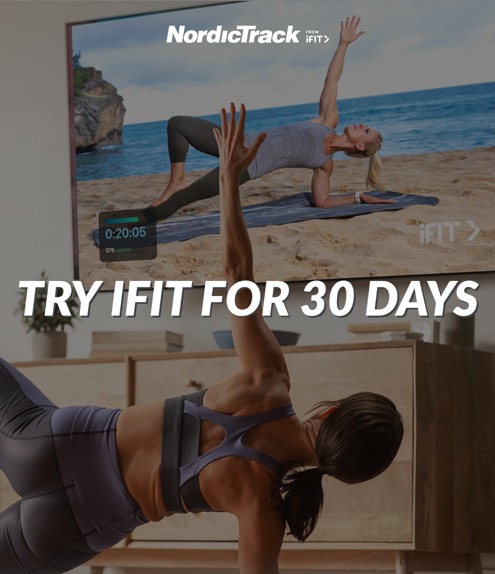
Guided Pilates and Strength Sessions on iFIT

Confidence often grows when you do not have to question what comes next. For many people, following a clear plan makes it easier to show up and stay consistent with movement.
Following instructor-led sessions can help remove uncertainty around what to do next, how long to move, or how to structure a workout. Instead of planning each session from scratch, guided programs provide a clear beginning, middle, and end, making it easier to show up and stay engaged.
iFIT offers Pilates-inspired and strength-focused programs that emphasize controlled movement and intentional pacing, including:
- Pilates Strength for Longevity with Pearl Fu
- HIIT Yoga Strength with Anamaria Ramirez
- Move, Sculpt, and Smile with Amanda Kloots’ New iFIT studio series
These sessions are designed to be followed over time, reinforcing structure, repetition, and progression through guided instruction.
For people building confidence in movement, having that structure can support regular practice and help movement feel more approachable, consistent, and sustainable.
Takeaway
Confidence and resilience are built through consistent, supportive movement. Pilates reinforces that process by emphasizing controlled, repeatable exercises that focus on breathing, alignment, and steady core engagement.³ When practiced consistently, Pilates has been associated with measured changes in mobility-related outcomes.²⁵ Pilates practice has also been associated with changes in mental health measures such as anxiety, depression, fatigue, and energy.¹
Over time, showing up for movement that feels manageable and intentional can help confidence grow naturally. Pilates supports trust in the body, steadiness in motion, and the resilience to keep moving forward in a way that feels sustainable.
For many people, that kind of guidance makes it easier to trust the process, stay consistent, and build confidence through movement over time.
FAQs: Pilates for Confidence
Pilates is a structured movement practice built around approximately 50 simple, repetitive exercises designed to create muscular exertion.³ The focus is on controlled, intentional movement rather than rushing through repetitions.
Yes. Pilates exercises can be performed either on a mat or on specialized equipment called a Reformer.³ Both options support controlled movement and alignment.
After 12 weeks of practice, participants showed statistically significant increases in abdominal endurance, hamstring flexibility, and upper-body muscular endurance.² These outcomes reflect measurable changes in strength and flexibility over time.
In healthy older adults, six weeks of Pilates practice was associated with improvements in functional mobility, mobility, spatiotemporal parameters of gait, postural balance, and physical activity.⁵ These outcomes relate to how confidently and steadily people move in daily life.
Pilates practice was associated with statistically large reductions in anxiety symptoms and statistically large reductions in depressive symptoms.¹ These findings reflect measured changes in emotional health outcomes.
Pilates practice was associated with statistically large reductions in feelings of fatigue and statistically large increases in feelings of energy.¹
References
- ScienceDirect. The effects of pilates on mental health outcomes: A meta-analysis of controlled trials.
- Journal of Strength and Conditioning Research. Pilates for improvement of muscle endurance, flexibility, balance, and posture.
- PubMed Central. Pilates: how does it work and who needs it?
- PubMed Central. Benefits of Pilates on Depression, Anxiety, and Stress.
- ScienceDirect. Six weeks of Pilates improved functional mobility, postural balance and spatiotemporal parameters of gait.
Disclaimer: The primary purpose of this blog post is to inform and entertain. Nothing on the post constitutes or is intended to be a substitute for professional medical advice, prevention, diagnosis, or treatment. Reliance on any information provided on the blog is solely at your own risk. Always seek the advice of your physician or other qualified health provider with any questions you may have regarding a medical condition, and please consult your doctor or other health care provider before making any changes to your diet, sleep methods, daily activity, or fitness routine. Do not disregard professional medical advice or delay seeking it because of information available on this blog. NordicTrack assumes no responsibility for any personal injury or damage sustained by any recommendations, opinions, or advice given in this article. Always follow the safety precautions included in the owner’s manual of your fitness equipment.