
Indoor vs. Outdoor Cycling: Pros, Cons, and When to Switch
Compare indoor and outdoor cycling side by side, with a quick decision checklist, research on power and effort, and clear signs for when to move your ride indoors.
By Katie Blankenfeld
·
Nov 17, 2026
·
6 min read

IN THIS ARTICLE
KEY TAKEAWAYS
- Indoor and outdoor cycling both build fitness, so the better choice depends on your goal, schedule, and season.
- In one study, riders giving the same perceived effort produced 163.4 W in the lab and 208.1 W outdoors, so treat indoor numbers as their own baseline. [1]
- In a 20 minute time trial, average power did not differ between indoor and outdoor rides, though outdoor power varied more. [2]
- Use indoor rides for structured intervals and consistency, and outdoor rides for terrain and bike handling practice.
- Choose an interactive bike with automatic resistance, incline range, and iFIT compatibility to keep indoor rides structured.
Indoor cycling and outdoor cycling both build fitness, so the better choice depends on your goal, your schedule, and the season. Ride indoors when you want control, consistency, and structured intervals. Ride outside when you want terrain, bike handling practice, and a change of scenery. Many riders mix the two, and this guide shows when to switch.
Features mentioned here, such as SmartAdjust, require a paid iFIT membership.
Quick Decision Checklist
Answer these five questions to choose today's ride.
- Time: Short on time or daylight? Indoors removes travel and route planning.
- Weather and safety: Ice, heat, or heavy traffic? Indoors keeps the session on your calendar.
- Goal: Need precise intervals or steady endurance work? Indoors makes pacing easy to control. Need hills, descents, or group skills? Head outside.
- Motivation: Do you ride more when a coach or other riders keep you company? Guided indoor rides with iFIT can fill that role.
- Event prep: Training for a road event? Keep some rides outdoors to practice the real demands.
If you ride for community and motivation, lean on guided indoor rides during the week and save outdoor rides for weekends. If you train for performance, use indoor rides for structure and outdoor rides for race specific demands.
Indoor vs. Outdoor Cycling at a Glance
| Factor | Indoor Cycling | Outdoor Cycling |
|---|---|---|
Weather and daylight | Does not affect the ride | Shapes every ride |
Interval control | Resistance and timing follow the workout | Set by terrain, traffic, and wind |
Bike handling | Little practice | Cornering, descending, group riding |
Airflow | Low unless you add a fan | Constant natural airflow |
Company | Guided classes and shared rides | Group rides and favorite routes |
Setup | Press start | Route, gear, and travel time |
Why Indoor and Outdoor Rides Feel Different
Effort and power do not line up the same way in both settings. In a randomized comparison of 12 recreationally trained male cyclists, riders were told to give the same perceived effort in a 40 kilometer lab ride and a 40 kilometer outdoor ride. Power averaged 208.1 W outdoors and 163.4 W in the lab, and heart rate averaged 152 beats per minute outdoors versus 143 in the lab. [1] The authors suggest cyclists "may want to ride at a higher perceived exertion in indoor settings." [1]
Airflow also differs. Wind speed averaged 2.5 meters per second outdoors and zero in the lab, and skin temperature was cooler outdoors while core temperature was similar. [1] A fan placed in front of your bike is a simple way to narrow that gap.
Average power can still match. In a study of 20 male competitive cyclists, a maximal 20 minute time trial averaged 280 W indoors and 284 W outdoors, a difference that was not statistically significant. [2] The outdoor ride was less steady, with within-person power variation of 69 W compared with 33 W indoors. [2]
Treat your indoor numbers as their own baseline. Compare indoor rides with indoor rides, and outdoor rides with outdoor rides.
When to Switch Between Indoor and Outdoor Cycling
Switch Indoors When
- Short days and bad weather shrink your riding window. Our 8 week indoor cycling plan shows how to carry a routine through fall.
- You want structured intervals or steady zone work with resistance that follows the plan.
- You are building a habit and need a ride that always fits the day.
Switch Outdoors When
You need practice cornering, descending, climbing, and riding with a group.
You are preparing for an outdoor event.
You want a mental reset. In a study of 15 minutes of cycling on an ergometer outdoors and in a lab, scores on a directed attention task improved outdoors and worsened indoors. [3] Participants also spent about three more minutes interacting socially outdoors. [3]
Build a Weekly Mix
The American Heart Association (AHA) recommends at least 150 minutes per week of moderate-intensity aerobic activity or 75 minutes of vigorous activity, or a combination of both. [5] The setting you will ride in week after week makes a total like that realistic. One simple mix is two or three indoor rides for structure and one longer outdoor ride.
A systematic review of 13 studies with 372 participants found that indoor cycling alone may improve aerobic capacity. [4] The authors note the lack of randomized controlled trials and say the conclusions should be taken with caution. [4]
How to Move a Ride Indoors
- Start with the goal of the ride: steady endurance, intervals, or climbing.
- Use perceived effort first, then adjust upward if you want an indoor ride to feel like an outdoor one. [1]
- Add terrain with incline and decline if your bike supports it.
- Set up a fan before you start.
- Track progress inside each setting so the numbers stay comparable.
If you want structured intervals to practice that effort control, the Death Valley National Park Speed Development Series with iFIT trainer Casey Gilbert is a set of six intermediate bike workouts built around interval work. With a paid iFIT membership, you can ride it on your NordicTrack bike.
Choosing a Bike for Interactive Riding
An interactive bike, paired with iFIT, is designed to help keep your attention on the ride. NordicTrack bikes and iFIT work as one training system: the bike supplies the resistance and mechanics, and iFIT supplies the coaching and progression.
The X24 Bike has a 24 inch HD touchscreen, incline and decline, and SmartAdjust automatic resistance during iFIT guided workouts. The S24 Studio Bike, paired with iFIT, combines a 24 inch HD touchscreen with SmartAdjust in a studio cycling format, which suits riders who like instructor led sessions.
When you compare bikes, check screen size, automatic resistance, incline range, and how the bike connects to iFIT. Our interactive cycling bike guide lays out the full lineup, and NordicTrack.com has current pricing.
Explore More
- Fall Cycling Prep: How to Take Your Outdoor Riding Indoors
- Is Cycling the Best Cardio Workout There Is?
- Scenic Indoor Cycling Workouts: Ride Acadia From Home
- How to Do Indoor Cycling Classes at Home: Our Top NordicTrack Bike Picks and Platforms Compared
- How to Build a Cycling Habit at Home (And Actually Stick to It)
FREQUENTLY ASKED QUESTIONS
References
- Mieras ME, Heesch MWS, Slivka DR. Physiological and Psychological Responses to Outdoor vs. Laboratory Cycling (Journal of Strength and Conditioning Research)
- Jeffries O, Waldron M, Patterson SD, Galna B. An Analysis of Variability in Power Output During Indoor and Outdoor Cycling Time Trials (International Journal of Sports Physiology and Performance)
- Rogerson M, Gladwell VF, Gallagher DJ, Barton JL. Influences of Green Outdoors versus Indoors Environmental Settings on Psychological and Social Outcomes of Controlled Exercise (International Journal of Environmental Research and Public Health)
- Chavarrias M, Carlos-Vivas J, Collado-Mateo D, Perez-Gomez J. Health Benefits of Indoor Cycling: A Systematic Review (Medicina)
- American Heart Association. American Heart Association Recommendations for Physical Activity in Adults and Kids (American Heart Association)
The primary purpose of this blog post is to inform and entertain. Nothing on the post constitutes or is intended to be a substitute for professional medical advice, prevention, diagnosis, or treatment. Reliance on any information provided on the blog is solely at your own risk. Always seek the advice of your physician or other qualified health provider with any questions you may have regarding a medical condition, and please consult your doctor or other health care provider before making any changes to your diet, sleep methods, daily activity, or fitness routine. Do not disregard professional medical advice or delay seeking it because of information available on this blog. iFIT Inc assumes no responsibility for any personal injury or damage sustained by any recommendations, opinions, or advice given in this article. Always follow the safety precautions included in the owner's manual of your fitness equipment.
RECENT ARTICLES

Fitness
Fall Cycling Prep: How to Take Your Outdoor Riding Indoors
Take your outdoor riding indoors this fall with an 8-week cycling plan built on setup basics, steady rides, and structured intervals.
Sep 21, 2026 · 5 min read
READ MORE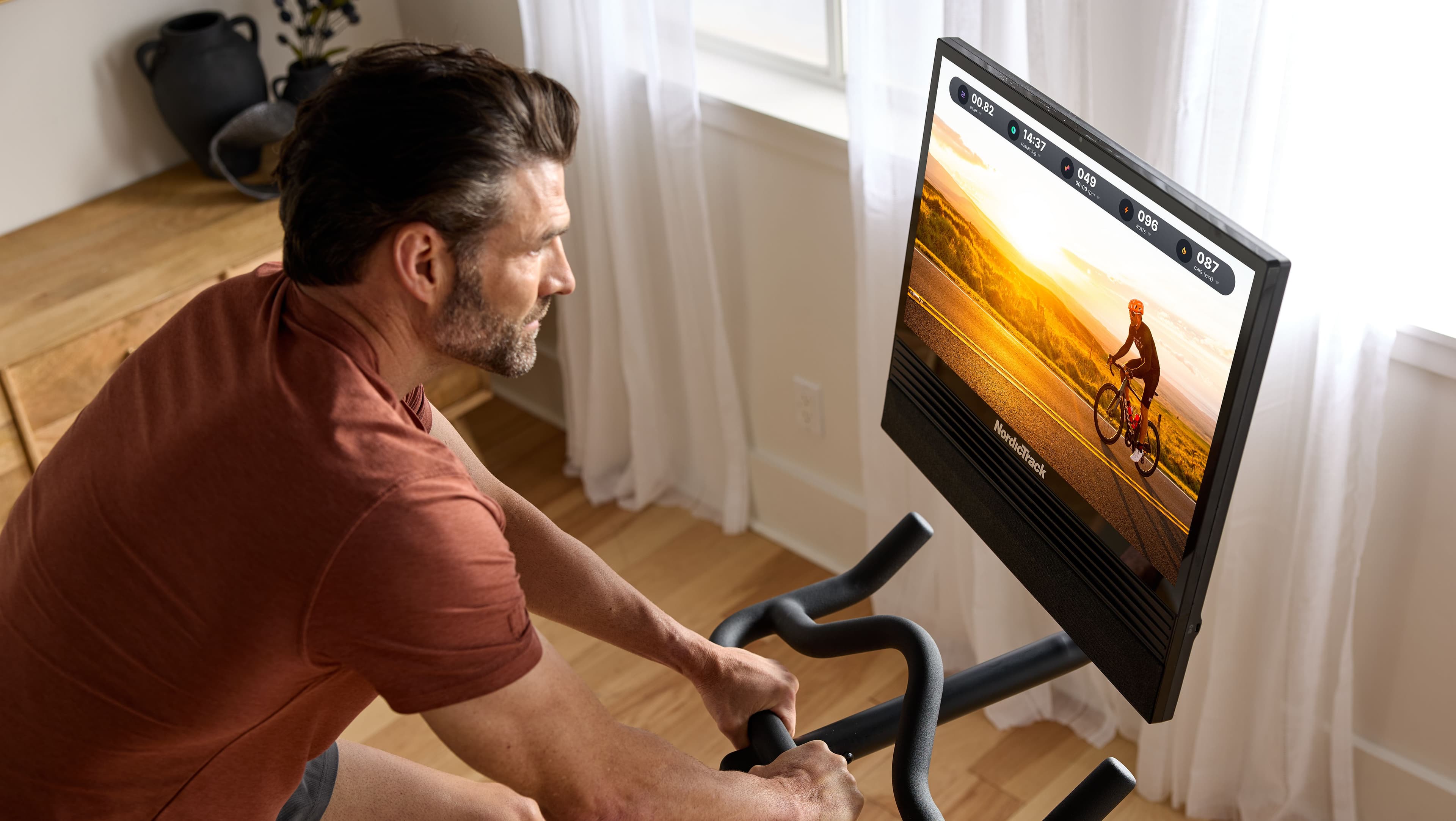
Equipment
Is Cycling the Best Cardio Workout There Is?
Cycling delivers real cardiovascular training with minimal joint stress, flexible intensity, and results that hold up across every fitness level. Find out when it beats other cardio and when it doesn't.
Jul 6, 2026 · 13 min read
READ MORE
Fitness
Scenic Indoor Cycling Workouts: Ride Acadia From Home
Ride the Maine coast from home with six 25-minute Acadia cycling workouts for beginners. Get a simple plan to fit them around Thanksgiving week and a look at the bikes that follow your trainer.
Nov 12, 2026 · 5 min read
READ MORE