
How to Build a Cycling Habit at Home (And Actually Stick to It)
Learn how to build a consistent exercise bike routine at home with a week-by-week plan, evidence-based guidance, and NordicTrack bike recommendations that keep you riding.
Jul 9, 2026
·
11 min read
IN THIS ARTICLE
KEY TAKEAWAYS
- The U.S. Department of Health and Human Services recommends at least 150 minutes of moderate-intensity aerobic activity per week — that is 30 minutes on five days.
- Building a cycling habit starts with three days per week at 20 to 25 minutes, not maximum effort from day one.
- Any amount of moderate-to-vigorous activity provides some health benefit, so starting small is the right approach for inactive adults.
- Progressive overload — increasing intensity over time — produces greater improvements in cardiorespiratory fitness than training at a fixed intensity.
- The right home exercise bike supports consistency through wide resistance range, an engaging screen, and access to structured programming.
Most home fitness routines collapse quietly. Not because the person gave up, but because there was no plan designed to survive week three.
The fix is not motivation. It is a schedule that starts small enough to keep, and a progression that gives your fitness somewhere to go.
Why Consistency Beats Intensity Every Time
The most common mistake new home cyclists make is starting too hard. The guidelines are clear that health benefits come from regular physical activity accumulated over time, not from single high-effort sessions. [1]
The U.S. Department of Health and Human Services recommends adults accumulate at least 150 to 300 minutes of moderate-intensity aerobic activity per week, or 75 to 150 minutes of vigorous-intensity activity, to gain substantial health benefits. [1] Break that down across five days and you get 30 minutes per session. That is the target, not the starting point.
Shorter efforts count too. The current guidelines removed the old requirement for activity to occur in bouts of at least 10 minutes. A 15-minute ride in the morning and another 15 in the evening add up the same as a single 30-minute session. [1] For anyone building a new routine, that flexibility is real.
Regular aerobic exercise, including cycling, keeps the heart, lungs, and circulatory system healthy and improves overall fitness. People who meet the recommended weekly activity levels can reduce the risk of many diseases, including diabetes, heart disease, and stroke. [2] Beyond cardiovascular health, consistent exercise helps prevent or manage high blood pressure, depression, type 2 diabetes, and many types of cancer, and can improve cognitive function and reduce the risk of death from all causes. [3]
For people who are currently inactive, the guidelines confirm that any amount of moderate-to-vigorous physical activity provides some health benefit. [1] Start where you can actually start.
How Often Should You Ride? A Week-by-Week Framework
The American College of Sports Medicine recommends healthy adults perform moderate-intensity aerobic activity for a minimum of 30 minutes on five days per week, or vigorous-intensity activity for a minimum of 20 minutes on three days per week. [4] A home cycling habit built on those guidelines could look like this in practice:
Weeks 1 and 2: Build the Trigger
Ride three days per week, 20 to 25 minutes per session at a comfortable, conversational pace. The goal here is not fitness. It is repetition. You are teaching your schedule to include cycling, not testing your aerobic capacity.
Weeks 3 and 4: Add a Session
Move to four days per week. Keep sessions at 25 to 30 minutes. Resistance stays moderate. If you finish and feel like you could have gone longer, you are doing it right.
Weeks 5 and 6: Reach the Minimum Threshold
Ride four to five days per week for 30 minutes per session. At this point you are approaching or meeting the 150-minute weekly guideline and gaining the substantial health benefits that come with consistent moderate-intensity aerobic activity. [4]
Week 7 and Beyond: Progress on Your Terms
Once 30-minute sessions feel manageable, you have a choice: ride more often, ride longer, or ride harder. ACSM recommends that aerobic exercise progression begin by increasing duration in the first weeks, followed by increases in frequency, then intensity — particularly for people new to exercise or managing a health condition. ACSM advises avoiding large increases in any component of the exercise prescription. [5] A habit that holds at four sessions per week beats an aggressive plan that collapses by week three.
What a Beginner Cycling Routine Actually Looks Like
Monday, Wednesday, Friday — Week 1
Warm up for five minutes at low resistance. Ride at a pace where you can hold a conversation but feel your heart rate rise. Cool down for three to five minutes. Total time: 20 to 25 minutes. If the session feels easy, good. You are building the habit, not proving anything.
Adding Tuesday — Week 3
Your fourth session can be lighter than the others. A 25-minute recovery ride at low resistance does more for your consistency than skipping a day. It keeps the habit active while giving your body an easier day.
A Sample 30-Minute Moderate Session — Week 5
Five minutes at easy warm-up, resistance at 30 to 40 percent of maximum. Twenty minutes at moderate effort, resistance at 50 to 60 percent. You should be breathing noticeably but still able to speak in short sentences. Five minutes of easy cool-down, resistance lowered, cadence slowed.
Simple enough to repeat without thinking. That is what a habit requires.
How to Build Intensity (and When)
Consistent moderate-intensity aerobic activity produces substantial health benefits on its own. [4] Intensity can be added once that base is established.
Research on progressive overload in aerobic training shows that progressively increasing exercise intensity over time produces significantly greater improvements in cardiorespiratory fitness than training at a fixed, constant intensity. [6] In practical terms, that means introducing variety, resistance increases, and interval efforts once your baseline is established.
Week A: Introduce One Harder Session
Replace one moderate ride per week with an interval session. Alternate 2 minutes at high resistance with 2 minutes at moderate recovery. Repeat six to eight times. Keep the rest of your sessions moderate.
Week B: Raise the Floor
Increase the resistance level on all moderate sessions by one increment. You are not sprinting. You are making your baseline a little more demanding than it was.
This keeps the habit intact while giving your fitness the progressive stimulus it needs to keep improving.
Calories, Effort, and What the Numbers Actually Mean
Calorie burn from cycling varies based on your body weight, the intensity of the session, and how long you ride. According to Harvard Health Publishing, 30 minutes of moderate-intensity stationary cycling burns approximately 210 calories for a 125 lb person, 252 calories for a 155 lb person, and 294 calories for a 185 lb person. At vigorous intensity, those figures rise to approximately 315, 378, and 441 calories respectively. [7]
These numbers are useful for understanding the relationship between effort and energy expenditure. According to Harvard Health Publishing, body weight, workout intensity, and duration are the primary factors that determine calorie burn on a stationary bike. [7] Calorie output per session should not become the primary measure of a successful ride.
If you want to increase calorie burn per session, raising resistance and increasing intensity are the most direct levers available on a stationary bike. [7]
The Role Your Bike Plays in Staying Consistent
Equipment does not create motivation, but the wrong bike can quietly undermine a good habit. A machine that is uncomfortable, difficult to adjust, or awkward to get on limits how often you actually use it.
A few features that matter for long-term consistency:
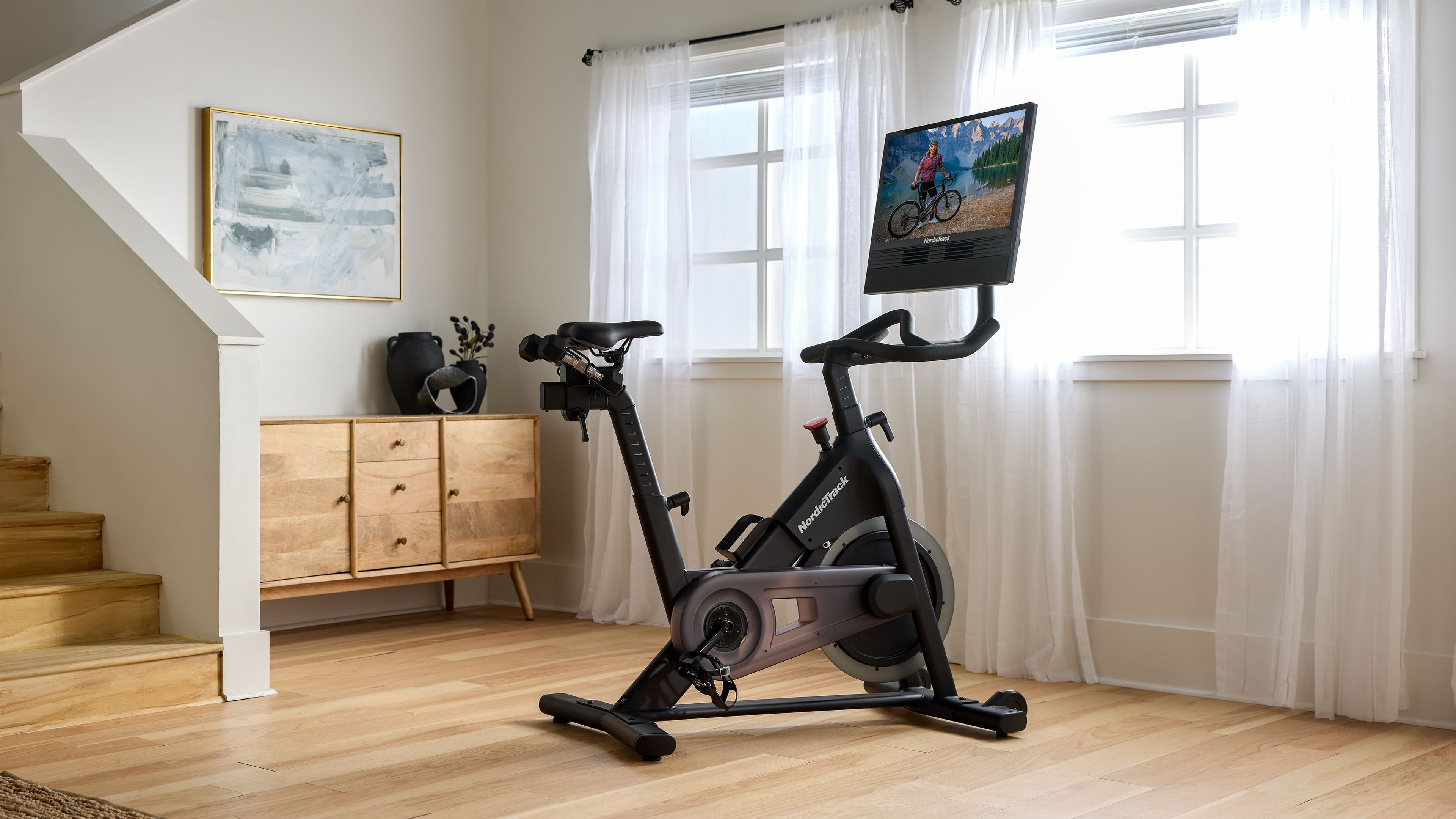
Resistance range matters more than resistance maximum. A wide range lets you ride easy on recovery days and hard on interval days without needing a different machine. Bikes with 24 digital resistance levels give you enough granularity to genuinely vary effort across session types.
Screen size and content quality affect whether you look forward to getting on the bike. A 24-inch HD touchscreen brings trainer-led sessions and scenic global rides to life in a way a small display simply cannot. When a ride is genuinely engaging, you are more likely to start it.
Incline capability changes the training stimulus without changing session length. A bike with motorized incline and decline mimics real terrain, engages different muscle groups, and makes moderate rides more varied without requiring you to push harder on a flat setting.
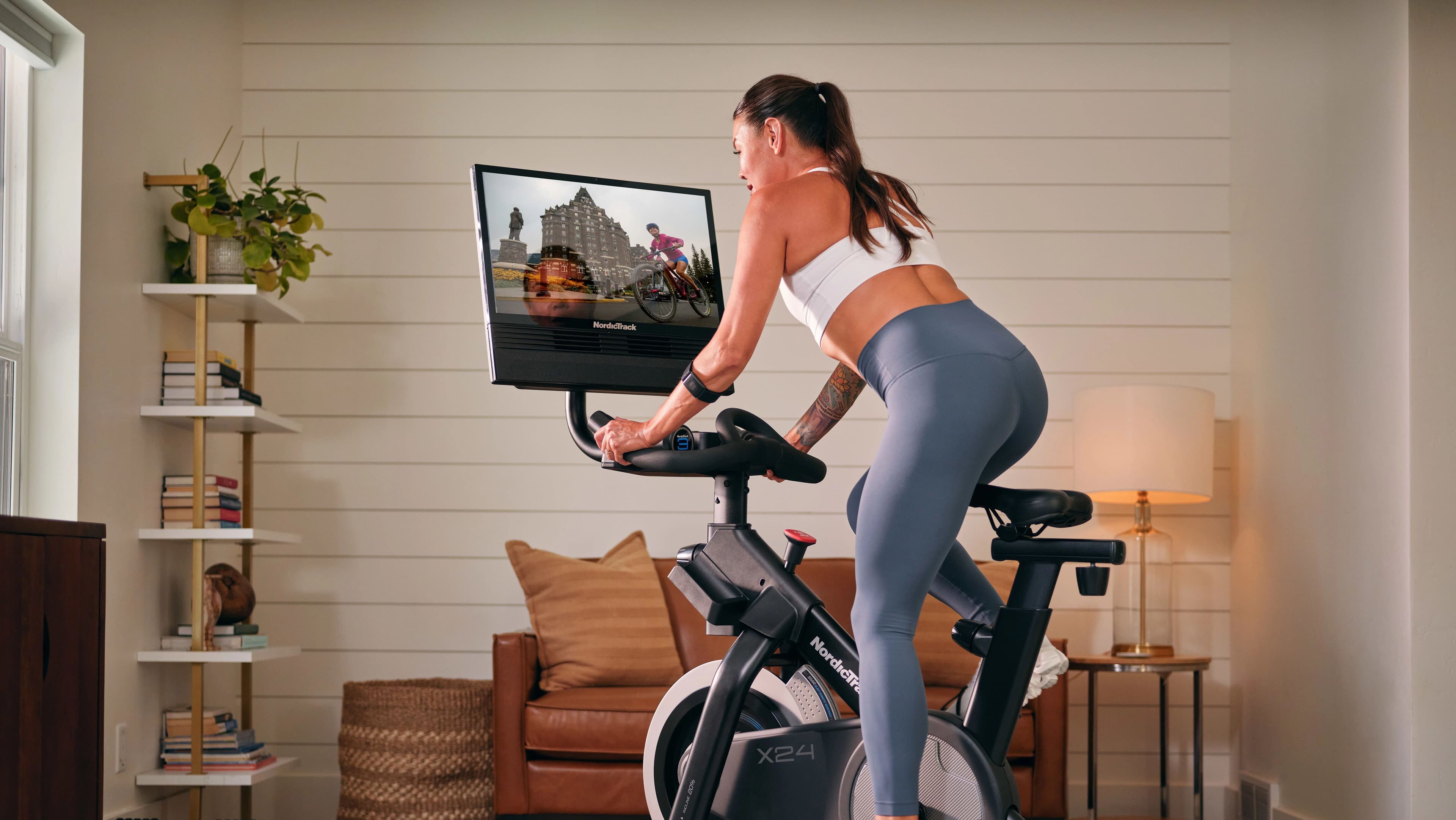
For riders who want terrain-based training with motorized incline and decline, the NordicTrack X24 Bike has -10% to 20% incline range with 24 levels of digital resistance and a 24-inch HD touchscreen. For riders drawn to a studio-style experience with instructor-led sessions, the NordicTrack S24 Studio Bike has the same 24-inch display and resistance range, plus two 3 lb dumbbells for off-bike moves. If comfort and seated support are the priority, the NordicTrack 10 Recumbent Bike has 26 resistance levels and a comfort-forward seated position. Mayo Clinic notes that cycling challenges the legs and core with minimal stress to the joints, and for riders whose joints cannot tolerate the impact of walking or running, cycling can decrease pain while increasing aerobic capacity. [8]
How iFIT Turns a Bike Into a Training System
A bike without programming is a static piece of equipment. What keeps most people riding consistently is not the machine itself, it is having somewhere to go on it.
iFIT delivers progressive, trainer-led workouts directly to your bike. On iFIT-enabled equipment, the bike automatically adjusts resistance and incline to match your trainer's session in real time through Follow Trainer. SmartAdjust then adapts those adjustments to your individual fitness level over time, so sessions become appropriately harder as you improve without requiring you to manually recalibrate.
Beyond individual sessions, iFIT's structured multi-week series progress in difficulty over time. These are not random workouts served in a random order. They are programs that give your riding a direction.
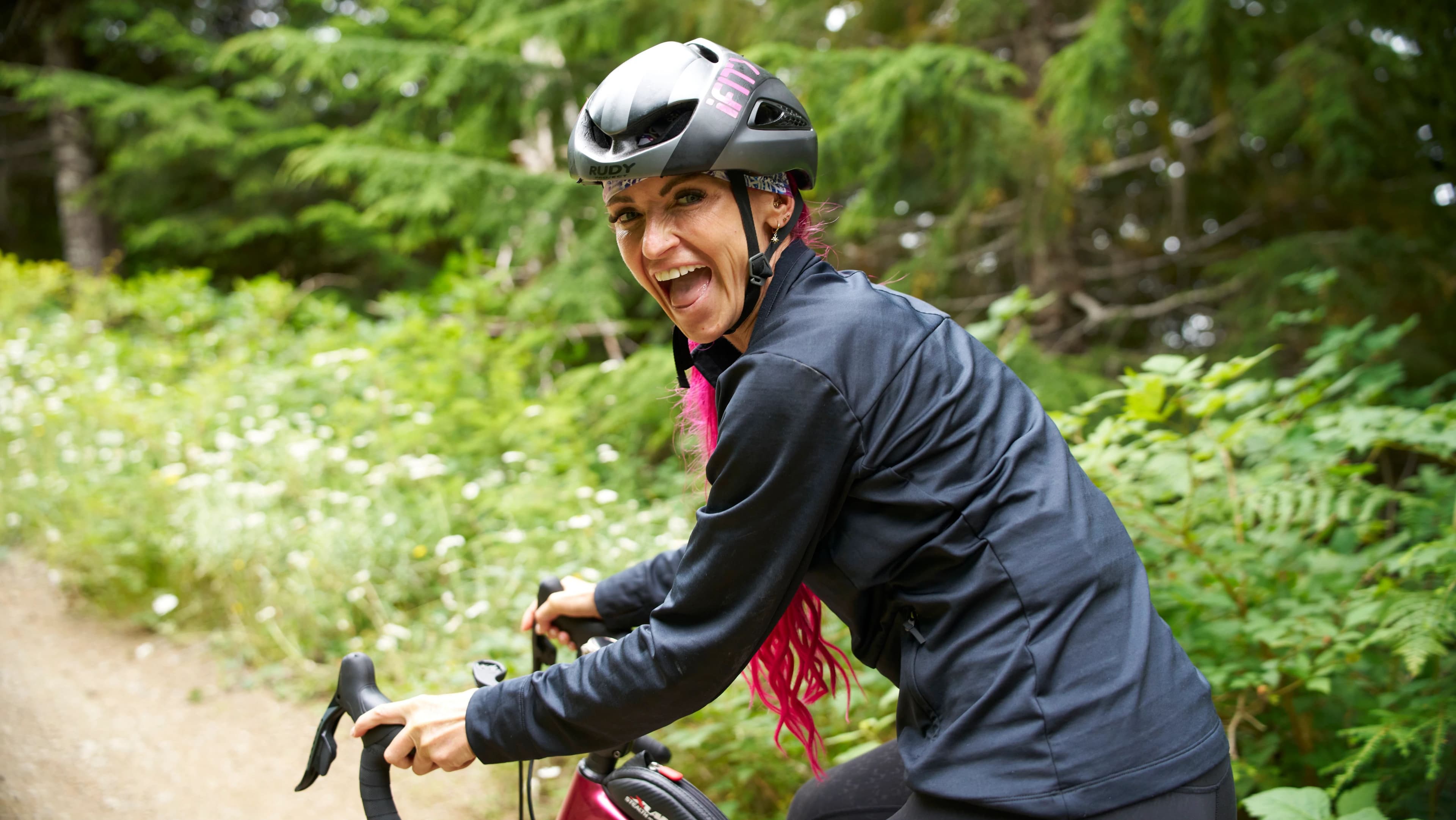
If you are building a new cycling habit, the Washington National Parks Power and Incline Cycling Series with trainer Ashley Paulson is a strong starting point. Released in June 2026, the series pairs incline-based riding with a progressive structure where each session builds on the last. The terrain-driven format gives you a reason to come back.
Explore More
FREQUENTLY ASKED QUESTIONS
References
U.S. Department of Health and Human Services. Top 10 Things to Know About the Second Edition of the Physical Activity Guidelines for Americans
American Heart Association. Endurance Exercise (Aerobic)
Mayo Clinic. Exercise: 7 Benefits of Regular Physical Activity
American College of Sports Medicine. Physical Activity Guidelines
American College of Sports Medicine. Exercise for the Prevention and Treatment of Hypertension
Gormley SE, et al. Effect of Intensity of Aerobic Training on VO2max
Harvard Health Publishing. Calories Burned in 30 Minutes for People of Three Different Weights
Mayo Clinic. How to Add Variety to Your Cardiovascular Routine
Disclaimer: The primary purpose of this blog post is to inform and entertain. Nothing on the post constitutes or is intended to be a substitute for professional medical advice, prevention, diagnosis, or treatment. Reliance on any information provided on the blog is solely at your own risk. Always seek the advice of your physician or other qualified health provider with any questions you may have regarding a medical condition, and please consult your doctor or other health care provider before making any changes to your diet, sleep methods, daily activity, or fitness routine. Do not disregard professional medical advice or delay seeking it because of information available on this blog. NordicTrack assumes no responsibility for any personal injury or damage sustained by any recommendations, opinions, or advice given in this article. Always follow the safety precautions included in the owner's manual of your fitness equipment.
RECENT ARTICLES

Equipment | Fitness
The Top 8 Exercise Bike Benefits, According to Research
Feb 27, 2024 · 18 min read
READ MORE
Equipment | Fitness
How to Choose the Best Exercise Bike to Meet Your Fitness Goals
Sep 11, 2023 · 11 min read
READ MORE
Equipment | Fitness | Workouts
How to Create Fun Circuit Bike Workouts on the S24
Turn your S24 Studio Bike into a full-body circuit session. These structured bike workouts for home blend cycling intervals with strength blocks to build cardio and muscle in 30 minutes.
Oct 7, 2025 · 8 min read
READ MORE