
Why Physical Therapy Practices Are Adding Pilates Reformers
More physical therapy practices are adding dedicated reformer space, and the reasons are practical: patients are already asking for it, the equipment opens new revenue lines, and it creates a clear differentiator in competitive referral markets.
Oct 19, 2026
·
8 min read
IN THIS ARTICLE
KEY TAKEAWAYS
- Patients familiar with Pilates from studio experience arrive with body awareness and motivation structures already built — making them easier to progress through structured PT programming.
A reformer opens ongoing maintenance and corrective exercise sessions beyond standard discharge, creating a revenue line that does not depend on new referrals.
In orthopedic and sports medicine referral markets, reformer capability is a differentiator that referring providers understand without it needing to be explained.
Utilization works best in practices with an active adult caseload between 35 and 65, at least one clinician willing to develop reformer competency, and space for a 6-by-10-foot footprint.
The Reformer Digital Activation is priced per machine, billed upfront: $396 for one year, $999 for three years, or $1,599 for five years.
The Pilates reformer has been a fixture in physical therapy settings for decades. What is changing in 2026 is the volume. More PT practices are adding dedicated reformer space, and the reasons are practical: patients are coming in already asking for it, boutique studios nearby have created demand, and the equipment opens up service lines that general PT equipment cannot support.
This article is for PT practice owners, clinic directors, and healthcare business operators thinking about whether a reformer fits their practice model. The focus is on what adding one actually does for a practice, not the equipment specs.
Patients Are Arriving Pilates-Ready
Pilates has moved well beyond boutique fitness circles into general health literacy. Patients who have heard their doctors mention low-impact exercise, who are managing chronic conditions through lifestyle, or who are simply active and looking for structured movement are increasingly familiar with reformer work before they ever walk into a clinic.
That pre-existing interest changes the intake dynamic. A patient who already understands what a reformer does, and has been doing studio classes, is often easier to progress through a structured PT program. They arrive with body awareness, with tolerance for controlled loading, and with a motivation structure that is already built around consistent sessions.
Adding a reformer gives a practice a natural language with this population. The equipment does not need to be explained from scratch. The movement patterns are familiar. The clinical application of those patterns becomes the conversation, not the equipment itself.
A Revenue Line That Extends Beyond the Acute Visit
The standard PT visit cycle is built around discharge. A patient comes in with an acute issue, progresses through care, and is discharged when they reach functional goals. What happens next is largely left to the patient.
A reformer changes what a practice can offer at that transition point. Maintenance programming, corrective exercise, and performance-focused ongoing sessions are all natural extensions of a reformer-equipped clinical setting. Some practices structure these as recurring small-group reformer classes. Others offer individual maintenance sessions at a lower clinical billing rate. Either way, the patient relationship does not have to end at discharge.
Specialized equipment gives patients a reason to return that general exercise guidance alone does not. A patient who has been discharged from standard PT care but has access to supervised reformer maintenance sessions has a meaningful reason to stay connected to the practice.
For practices that already have the space and the clinical volume to support it, a reformer can generate sessions that supplement standard PT billing.
Differentiation in a Competitive Referral Market
Primary care physicians, orthopedic surgeons, and sports medicine providers make referral decisions based partly on what they know a practice can do. A practice with reformer capabilities has a differentiator that is easy to communicate: it offers structured, low-impact progressive loading in a clinical setting, supervised by a licensed PT, that the patient cannot easily access elsewhere.
That positioning matters most in markets where boutique Pilates studios are already present. In those markets, patients are already doing reformer work independently. The clinical version, supervised by a physical therapist who understands the patient's history and can adjust load and range in real time, is a meaningfully different product. Referring providers often understand that difference without it needing to be explained at length.
Practices serving orthopedic, spine, and sports medicine referral pipelines are particularly well positioned to use this differentiation. The patient population in those pipelines is already active, already motivated, and already spending money on wellness. A reformer-equipped PT clinic fits naturally into how they think about recovery and maintenance.
The Scheduling and Utilization Reality
Adding a reformer is a capital decision, and the utilization math needs to work. A single reformer occupies roughly the same floor space as a large treatment table. The practical question is whether the practice has enough patient volume in the right clinical profiles to put that machine to use across the week.
Practices that report strong utilization tend to have two things in common: a referral pipeline that skews toward active adults between 35 and 65, and at least one clinician on staff who is either already trained in reformer-based exercise or willing to complete continuing education. Medbridge offers continuing education on Pilates for rehabilitation professionals, including a course by Sherri Betz, PT. [1]
The equipment decision and the staffing decision are connected. A reformer that no clinician is comfortable using is not an asset. A practice where one or two clinicians have reformer competency can generate consistent utilization without restructuring the whole schedule.
What the Connected Layer Adds
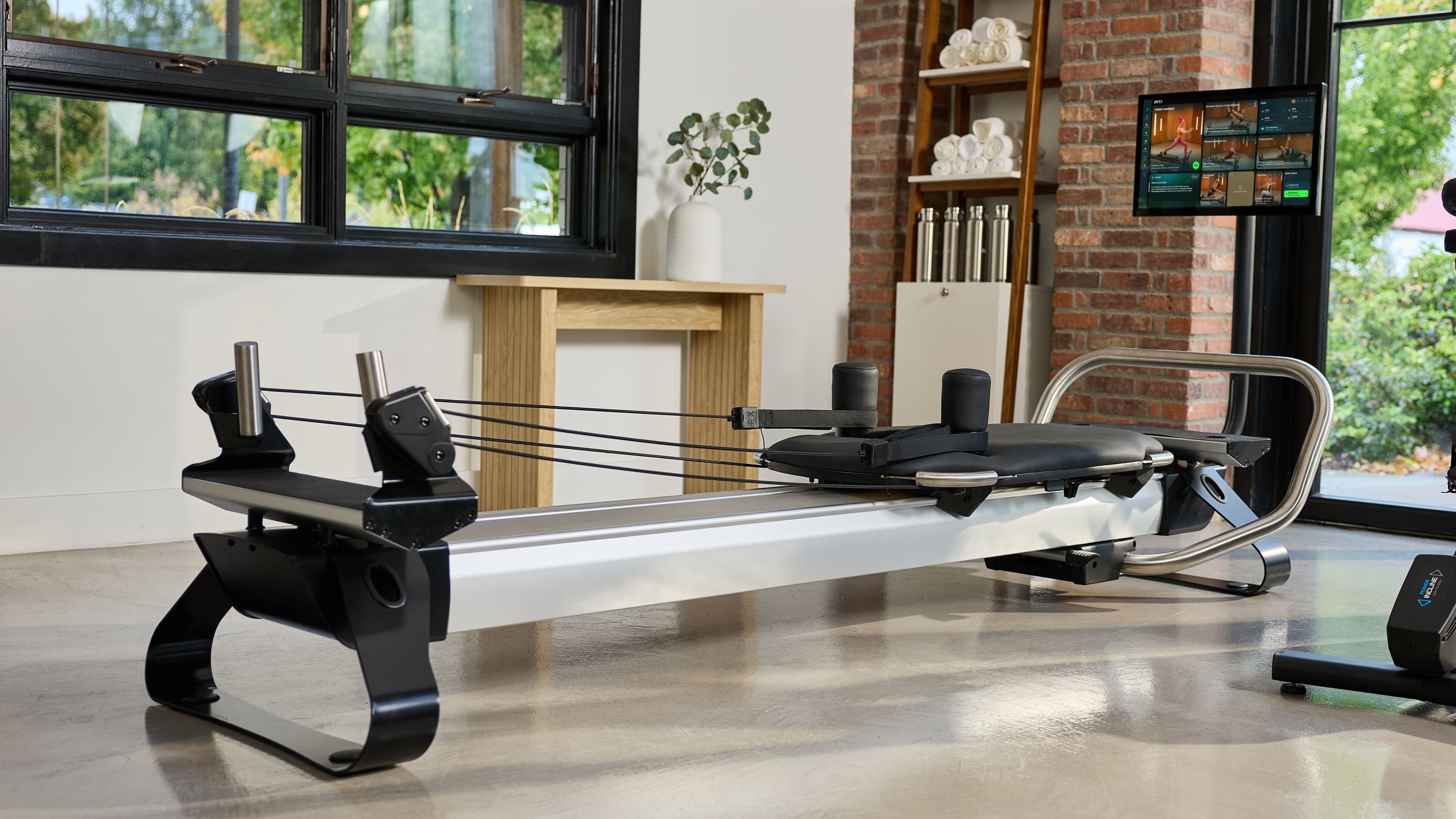
The NordicTrack Ultra 1 Reform RX-S brings specific operational advantages for clinical settings: paired with iFIT, the integrated 24-inch HD touchscreen and iFIT Pro library can support independent use between supervised sessions, and the Smart Spine™ tracking system, paired with iFIT, provides real-time resistance, cadence, and watt data that can help clinicians keep track of session intensity over time.
With iFIT, a PT can complete a clinical session and have the patient continue with guided reformer sessions between visits, either on a home machine or on the clinic's machine during a lower-cost maintenance slot.
With iFIT, the Base to Burn series with Abe Ahern is a strong starting point for patients new to reformer work. Designed for beginners, it is built to help develop foundational movement patterns at a pace appropriate for people starting out on the reformer.
The Reformer Digital Activation that powers the iFIT Pro library on the RX-S is priced per machine, billed upfront: $396 for one year, $999 for three years, or $1,599 for five years. For a practice using the machine across multiple patients daily, the Reformer Digital Activation spreads across each session.
What the Evaluation Process Looks Like
Before buying, three questions tend to surface in every PT practice evaluation:
Will our patient population actually use it? Pull a quick demographic read on your current active caseload. If you have a meaningful share of active adults between 35 and 65 who are active, wellness-motivated, or engaged in ongoing fitness programming, you have a reformer population. If your caseload is primarily neurological, pediatric, or vestibular, the fit is narrower.
Do we have the clinical staff to operate it? One trained clinician is enough to start. Two is more sustainable. If no one on staff currently has reformer experience, completing continuing education in Pilates for rehabilitation is one practical path forward.
Can we justify the space? A reformer needs roughly 6 by 10 feet of clear floor space, plus instructor clearance on both sides. For most PT clinics, that means displacing one treatment table or reorganizing a section of the gym floor. The question is whether the revenue per square foot of reformer space exceeds the revenue per square foot it replaces.
Explore More
FREQUENTLY ASKED QUESTIONS
References
The primary purpose of this blog post is to inform and entertain. Nothing on the post constitutes or is intended to be a substitute for professional medical advice, prevention, diagnosis, or treatment. Reliance on any information provided on the blog is solely at your own risk. Always seek the advice of your physician or other qualified health provider with any questions you may have regarding a medical condition, and please consult your doctor or other health care provider before making any changes to your diet, sleep methods, daily activity, or fitness routine. Do not disregard professional medical advice or delay seeking it because of information available on this blog. NordicTrack assumes no responsibility for any personal injury or damage sustained by any recommendations, opinions, or advice given in this article. Always follow the safety precautions included in the owner's manual of your fitness equipment.
RECENT ARTICLES
Equipment
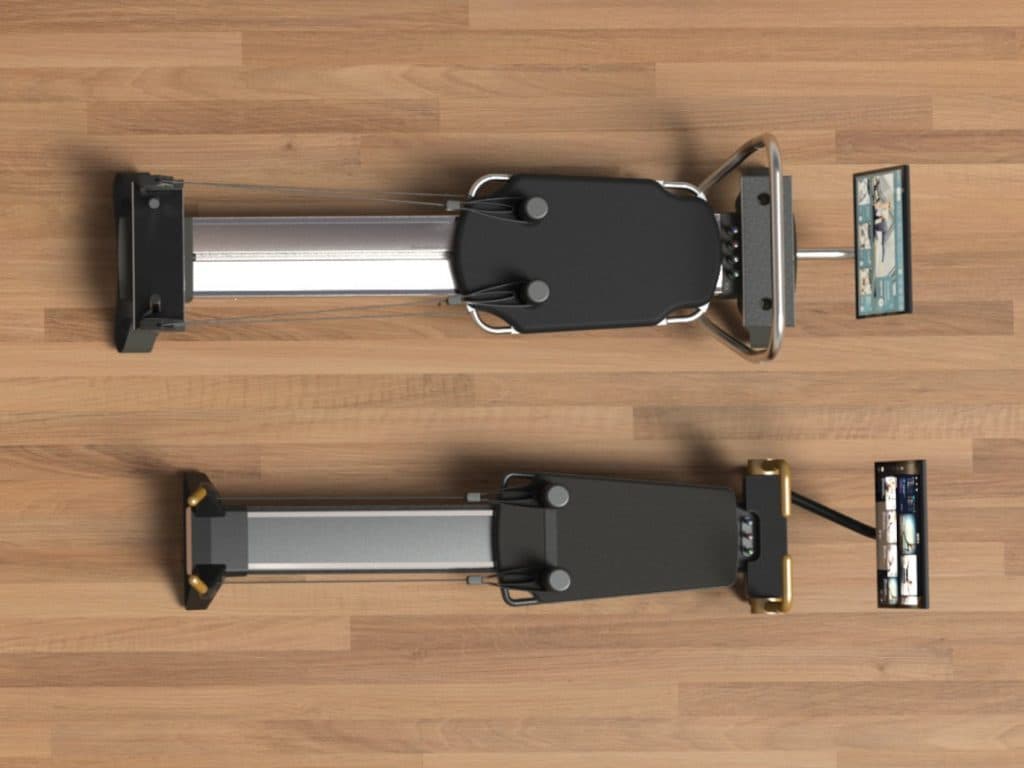
Introducing the NordicTrack Ultra 1 Reformer Series
Meet the NordicTrack Ultra Reformer Series, featuring the Ultra 1 Reform RX-S and Ultra 1 Reformer—two connected Pilates reformers designed to bring studio-quality training into your home.
Nov 14, 2025 · 8 min read
READ MORE
Equipment
What PT Clinic Owners Should Know Before Adding a Pilates Reformer to Their Practice
PT clinics have been adding Pilates reformers to their equipment inventory for decades. Here is what clinic owners should evaluate before purchasing: resistance range, patient safety, hygiene, warranty, and the connected content layer.
Sep 25, 2026 · 9 min read
READ MORE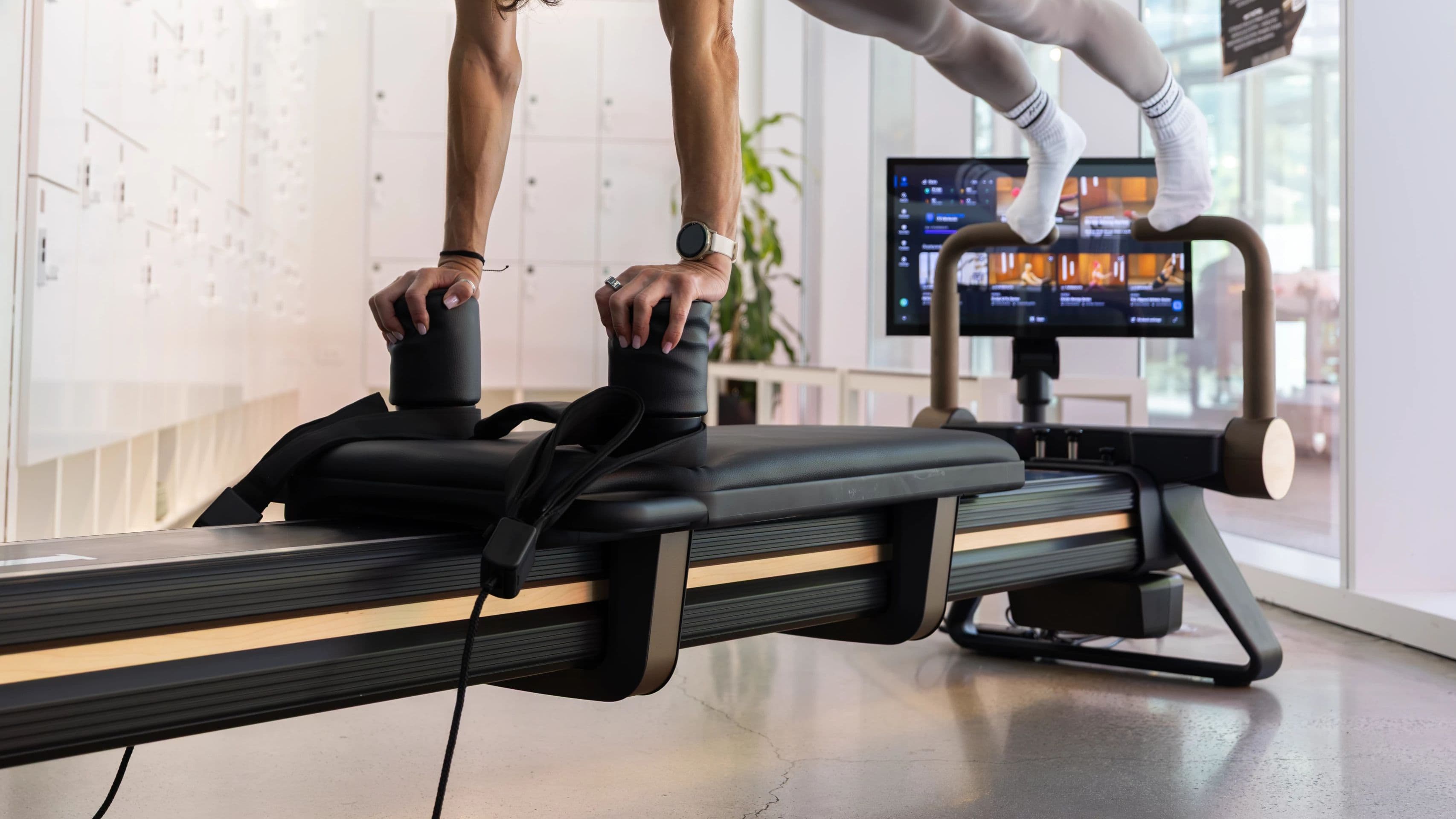
Equipment
NordicTrack's Recommended Pilates Reformer for a Sports Training Facility
Sports performance facilities are hard on equipment. Athletes are heavier, volumes are higher, and sessions run back to back. Here is what a performance reformer needs to do and why the RX-S is built for it.
Sep 28, 2026 · 8 min read
READ MORE