
How Sports Performance Facilities Are Using Pilates Reformers for Athlete Recovery
Strength and conditioning coaches who once dismissed Pilates as a flexibility tool are now programming reformer sessions into weekly recovery blocks. Here is why, and how performance facilities are integrating them.
Oct 5, 2026
·
9 min read
IN THIS ARTICLE
KEY TAKEAWAYS
- The reformer fills the gap conventional strength training leaves: deep stabiliser muscles, proprioceptive training, and multi-planar movement patterns that sport demands but fixed-plane gym work misses.
Performance facilities use reformers for three purposes: pre-activation before heavy training, active recovery between sessions, and progressive loading work between training phases.
Spring-based resistance loads muscles in lengthened positions at a precision range no other modality offers — from near-zero recovery work through heavy athletic loading, in the same machine.
The Smart Spine™ system gives coaches objective session intensity data: resistance level, cadence, and watts per athlete per session.
The Reformer Digital Activation is priced per machine: $396 for one year, $999 for three years, or $1,599 for five years.
The weight room builds the engine. The reformer protects it.
That is the logic driving reformer adoption from boutique fitness studios into collegiate training rooms and professional performance centers. The shift is well underway. Strength and conditioning coaches who once dismissed Pilates as a flexibility tool are now programming reformer sessions into weekly recovery blocks, pre-activation work, and return-to-training protocols.
This article is for sports performance directors, strength and conditioning coaches, and facility operators who want to understand what is driving this shift, how facilities are using reformers in practice, and what the equipment needs to be to hold up in a performance environment.
Why the Weight Room Alone Is Not Enough
High-load training builds strength. It also leaves gaps. Squats, deadlifts, and conventional gym lifts load the body along predictable, fixed planes. Sport almost never works that way. Athletes rotate, decelerate, absorb lateral force, and produce power from asymmetric positions hundreds of times per game. The muscles that stabilize joints during those movements, the deep core stabilisers, the hip complex, the rotator cuff, are largely skipped by conventional strength training.
Proprioception, the body's ability to sense joint position and regulate movement in space, plays a significant role in the afferent-efferent neuromuscular control arc and in maintaining stability during dynamic activities. [1] The reformer's moving carriage and spring-based feedback system make proprioceptive training a natural part of every session.
A 12-week Pilates reformer training study in competitive Latin dancers found significant improvements in joint angles, movement speed, and muscle activation during a specific dance technique task. [2]
How Performance Facilities Are Integrating Reformers
The facilities that have adopted reformer training most successfully have done so with a clear purpose: reformer sessions fill the gap between heavy training days and recovery days. They are not an add-on. They replace the foam rolling, band work, and light activation sessions that were already on the schedule, doing the same job more efficiently while also developing strength and movement quality.
Pre-Activation Before Heavy Training
A 15-minute footwork sequence before a squat or deadlift session is not what most strength coaches think of as meaningful work. But the deep stabilisers it activates, the transversus abdominis, multifidus, and hip complex, are exactly what allows athletes to express their strength safely under load. Conventional warm-ups rarely reach these muscles. The reformer does.
Active Recovery
Light spring resistance on a reformer allows athletes to move through full range with minimal load after a heavy training day, promoting circulation and movement quality without adding fatigue. This is where the reformer's spring-based resistance is particularly valuable: it provides consistent tension through lengthened positions at loads that do not create additional muscle damage.
Progressive Loading Between Training Phases
Athletes coming back from a reduced training block, an offseason, or a period of deloading need a way to rebuild movement quality before returning to full sport loads. The reformer handles this well. Load can be dialled up gradually through spring resistance, in positions and patterns that mirror sport demands, without the compressive forces of full training. The controlled environment makes it straightforward to assess whether movement quality is where it needs to be before progressing.
Sport-Specific Movement Preparation
Rotational sports, football, tennis, swimming, golf, rugby, demand asymmetric loading patterns that conventional gym work does not adequately replicate. Reformer programming can be structured to address the specific imbalances that accumulate over a season, loading the underused side more heavily and improving thoracic rotation and hip mobility in the directions the sport neglects.
What the Reformer Does That Other Equipment Does Not
The reformer's spring-based resistance system is meaningfully different from free weights or cables. Springs provide consistent tension through the full range of motion rather than loading heaviest at the start of the lift. This challenges muscles in lengthened positions, which is exactly where strains and tears most often occur in sport.
The moving carriage also creates instability that demands stabiliser engagement throughout every exercise. A single-leg exercise on a reformer carriage requires the hip, knee, and ankle to stabilize in three planes simultaneously. Free-weight equivalents allow compensation from larger prime movers; the reformer makes that compensation visible and correctable.
For recovery sessions specifically, the spring resistance can be set low enough to promote circulation and tissue quality without any meaningful muscular load. That range, from near-zero resistance through heavy athletic loading, in the same machine, is what makes the reformer practical across a full training week.
The Equipment Requirements for a Performance Setting
A reformer used in a professional or collegiate performance setting has different requirements from a studio reformer or a consumer machine.
Frame rigidity. Under high-resistance athletic loading, a frame that flexes introduces inaccuracy into movements and reduces the proprioceptive feedback athletes are trying to develop. Commercial-grade construction holds its geometry under repeated heavy use.
Weight capacity. Athletes in contact sports frequently exceed the capacity of consumer and entry-level studio reformers. A machine rated for general fitness use is not appropriate for a 280-pound lineman or a rugby forward. Commercial machines rated for 375 lbs (170 kg) or more are the baseline.
Spring range. Athletes need access to both very light resistance for recovery and activation work and heavier resistance for strength-focused sessions. A machine with four to six springs across a graduated range, not just two or three, serves the full programming spectrum.
Durability. A performance facility will put multiple athletes through the reformer daily. Components designed for home or general fitness use degrade quickly at that volume. Commercial warranty coverage and commercial-grade carriage bearing systems are non-negotiable.
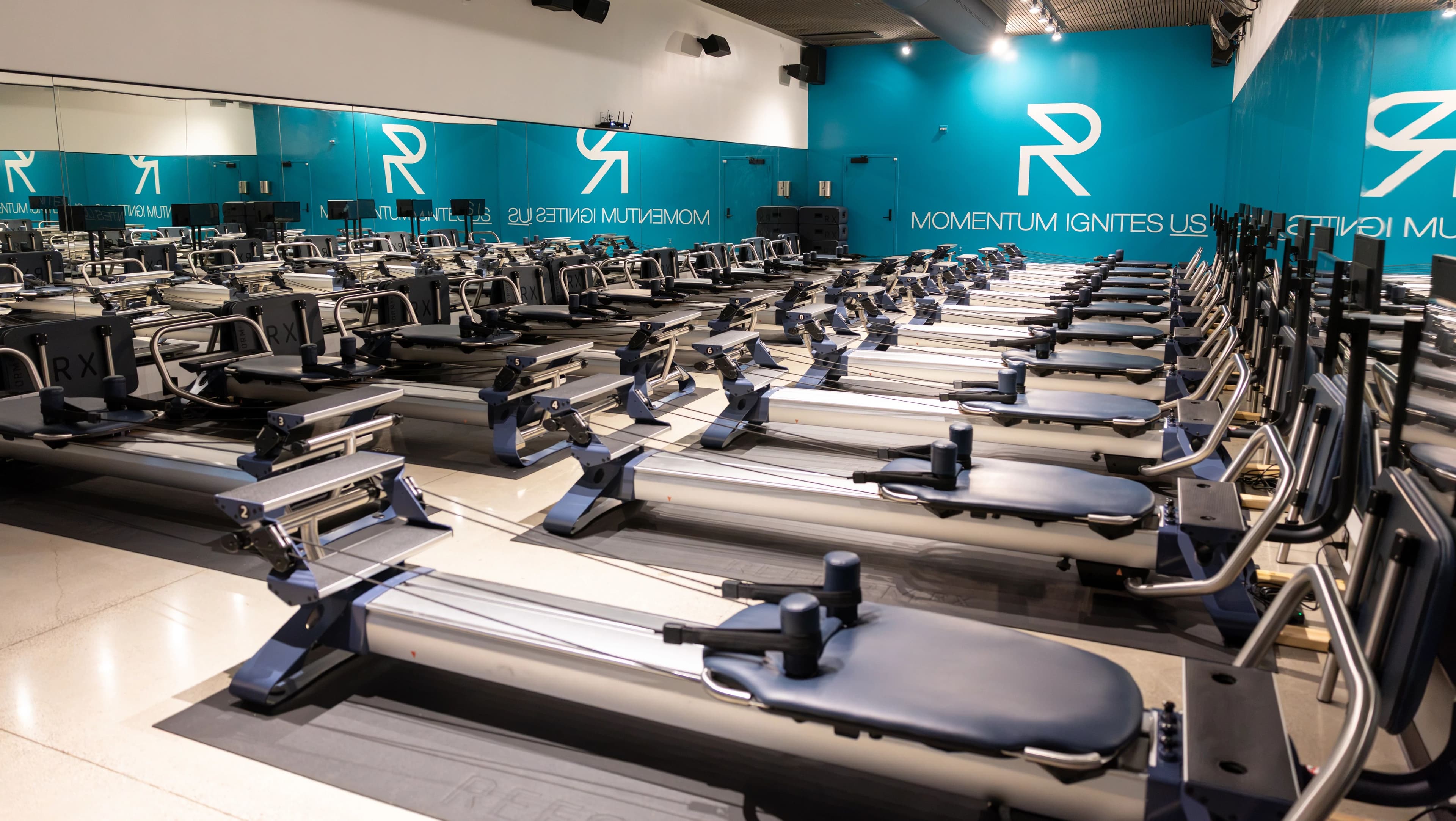
The Ultra 1 Reform RX-S is purpose-built for these environments. The 375 lb (170 kg) user capacity, four push-button resistance springs delivering up to 143 lbs (65 kg) of resistance, and the Enclosed-Spring Solid Spine design address the specific demands of a high-traffic performance setting. The Smart Spine™ tracking system gives coaches and athletes real-time resistance, cadence, and watts data, useful for tracking recovery session intensity and progressive loading over time.
Through the Reformer Digital Activation subscription, the iFIT Pro library delivers certified reformer sessions designed for athletic conditioning and recovery. The Strong Stride Series is one example: a performance-focused programme built around strength and endurance on the reformer, well-suited to athletes who already train with structured progressive loading. Activation is priced per machine: $396 for one year, $999 for three years, or $1,599 for five years. Read more about the Strong Stride Series at iFIT.
What a Performance Reformer Program Looks Like in Practice
An athlete's reformer session is not a Pilates class with heavier springs. The goal is movement quality and stabilizer work that supports the rest of the training week, not flexibility for its own sake or aesthetic outcome.
Session structure for a recovery day:
Footwork (5–8 minutes): carriages at light to moderate resistance, multiple foot positions, hip and knee tracking assessment
Single-leg lower-body work: unilateral loading to expose and address strength asymmetries
Spinal articulation and anti-rotation: segment-by-segment spinal movement and core stability under light load
Upper-body and shoulder complex: arm spring and chest expansion work targeting the rotator cuff and scapular stabilizers
Closing thoracic mobility: using the footbar and carriage to load end-range positions
Session length: 40 to 60 minutes, replacing rather than adding to an existing recovery session.
Questions to Ask Before Adding Reformers to a Performance Facility
Before purchasing for a sports performance context, confirm these:
How many athletes per machine per day? If one reformer is serving six to eight athletes, you need commercial warranty terms and commercial carriage bearings. Light-studio machines degrade quickly at that volume.
Recovery only, or strength work too? The answer changes what spring range you need. A machine with only three spring options covers recovery but will not handle heavier athletic loading.
Who is running the sessions? A certified Pilates instructor and a strength and conditioning coach bring different expertise. The best arrangements pair both, or invest in getting existing S&C staff trained on reformer programming. The gap matters more than it seems: an instructor who does not understand sport-specific loading will programme very differently from one who does.
Are you tracking athlete load? The Smart Spine™ system on the RX-S provides real-time resistance, cadence, and watt data per session. For facilities already managing training load, that data integrates naturally into existing monitoring systems.
Explore More
FREQUENTLY ASKED QUESTIONS
References
PubMed. Proprioception
The primary purpose of this blog post is to inform and entertain. Nothing on the post constitutes or is intended to be a substitute for professional medical advice, prevention, diagnosis, or treatment. Reliance on any information provided on the blog is solely at your own risk. Always seek the advice of your physician or other qualified health provider with any questions you may have regarding a medical condition, and please consult your doctor or other health care provider before making any changes to your diet, sleep methods, daily activity, or fitness routine. Do not disregard professional medical advice or delay seeking it because of information available on this blog. NordicTrack assumes no responsibility for any personal injury or damage sustained by any recommendations, opinions, or advice given in this article. Always follow the safety precautions included in the owner's manual of your fitness equipment.
RECENT ARTICLES
-Feb_25-146.jpg&w=3840&q=75)
Equipment
Why Commercial Gyms Are Adding Pilates Reformers (And What It Means for Your Facility)
Boutique Pilates members spend $200 to $260 a month, compared to $30 to $50 at a high-volume gym. See why Crunch and 24 Hour Fitness are adding reformers to capture that revenue.
Aug 21, 2026 · 8 min read
READ MORE
Equipment
What to Look for When Buying a Commercial Pilates Reformer for Your Studio
Buying a commercial Pilates reformer is not a home purchase decision. Here is what actually matters for a studio floor: resistance range, frame durability, safety design, floor space, and service support.
Sep 2, 2026 · 11 min read
READ MORE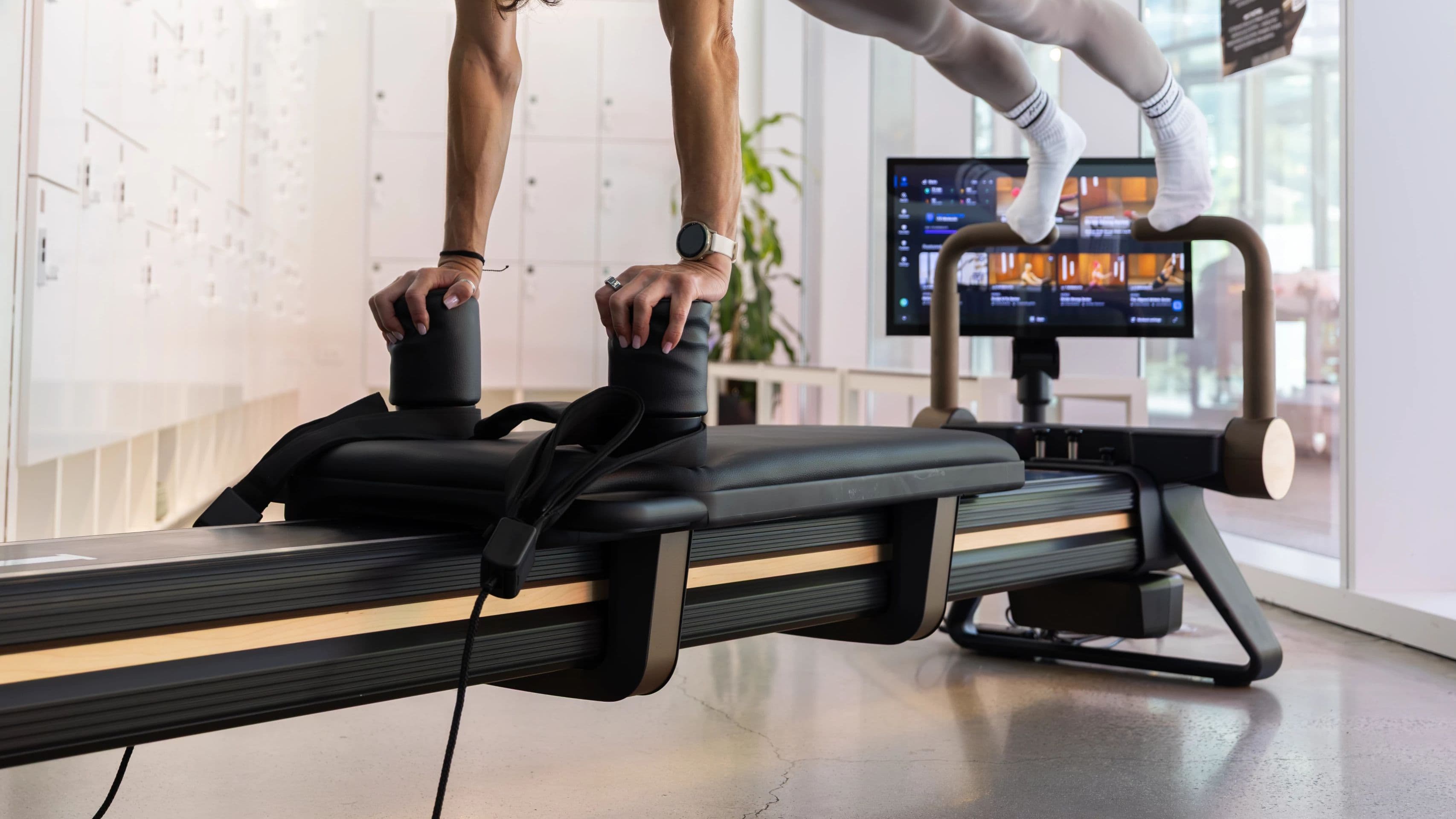
Equipment
NordicTrack's Recommended Pilates Reformer for a Sports Training Facility
Sports performance facilities are hard on equipment. Athletes are heavier, volumes are higher, and sessions run back to back. Here is what a performance reformer needs to do and why the RX-S is built for it.
Sep 28, 2026 · 8 min read
READ MORE