
Home Treadmill vs Gym Membership: Cost and Results Compared
Not sure whether a home treadmill or gym membership is worth it? Compare real costs, consistency factors, and long-term results to find the right fit for your goals.
Apr 9, 2026
·
9 min read
IN THIS ARTICLE
KEY TAKEAWAYS
- A mid-range home treadmill typically costs less than a gym membership by years two to three, making it a stronger long-term investment for consistent users
- Convenience is the most underrated factor in fitness consistency - removing commute and scheduling friction directly supports a sustainable workout habit
- Research shows home-based and gym-based cardio produce comparable results when frequency, duration, and intensity are matched
- Interactive training features like SmartAdjust and ActivePulse can replace much of what a personal trainer provides, at a fraction of the ongoing cost
- The right choice between home vs gym comes down to what has kept you from exercising consistently before, not which option looks better on paper
Most gym members know the moment well. You're tired, it's late, the drive feels longer than usual, and the treadmill you like might already be taken. So you skip it. One skip becomes two. Two becomes a habit.
That moment is what this comparison is really about.
Whether a home treadmill or a gym membership offers better value depends on your budget, schedule, and what keeps you consistent. Both can deliver real results. The question is which one you'll actually use when motivation is low and time is limited.
Fitness participation continues to grow, with tens of millions of Americans holding gym memberships and total usage reaching record levels in recent years.¹
Here's a clear look at the costs, trade-offs, and factors that matter most over time.
What you're really paying for: gym membership vs. home treadmill costs
Start with the numbers because the math can surprise people.
A standard gym membership in the U.S. typically ranges from about $10 to $70 per month, depending on the facility and amenities. Premium clubs and boutique studios can exceed $150 per month. The average monthly cost is around $69, with a median closer to $38 depending on pricing structure and promotions.⁴
A home treadmill is a single purchase. Many mid-range models generally cost between $1,500 and $2,500. Many owners add an interactive training subscription, which adds a monthly fee but also structured workouts and coaching.
Here's how the numbers compare over time using conservative estimates:
Option | Year 1 | By Year 3 | By Year 5 |
Gym membership (~$69/mo) + 1x enrollment fee (~$50) | ~$878 | ~$2,484 | ~$4,140 |
iFIT ($39/mo) | ~$396–$468 | ~$1,188–$1,404 | ~$1,980–$2,340 |
Mid-range treadmill (no subscription) | ~$1,500–$2,500 | ~$1,500–$2,500 | ~$1,500–$2,500 |
Mid-range treadmill + iFIT | ~$1,896–$2,968 | ~$2,688–$3,904 | ~$3,480–$4,840 |
These are broad estimates. Local pricing, deals, and treadmill models shift the totals in either direction.
Depending on usage and membership pricing, a mid-range treadmill can reach cost parity with a gym membership within a few years, while avoiding ongoing monthly fees.²
Because gym memberships are typically priced per person, costs can increase for households with multiple users, while a single treadmill purchase can be shared. With some subscriptions like iFIT Pro supporting up to five user profiles, the monthly subscription cost can also be distributed across users. iFIT may offer year up front and/or multi-year discounts, which can bring the cost down even further.
The main difference is that gym memberships are ongoing monthly expenses, while a treadmill is a one-time purchase with optional subscription costs.² That affects how you think about long-term cost, resale value, and what your money buys each month. For more on treadmill ownership, see our breakdown on whether a treadmill is worth the investment.
Convenience and consistency: why access matters more than you think
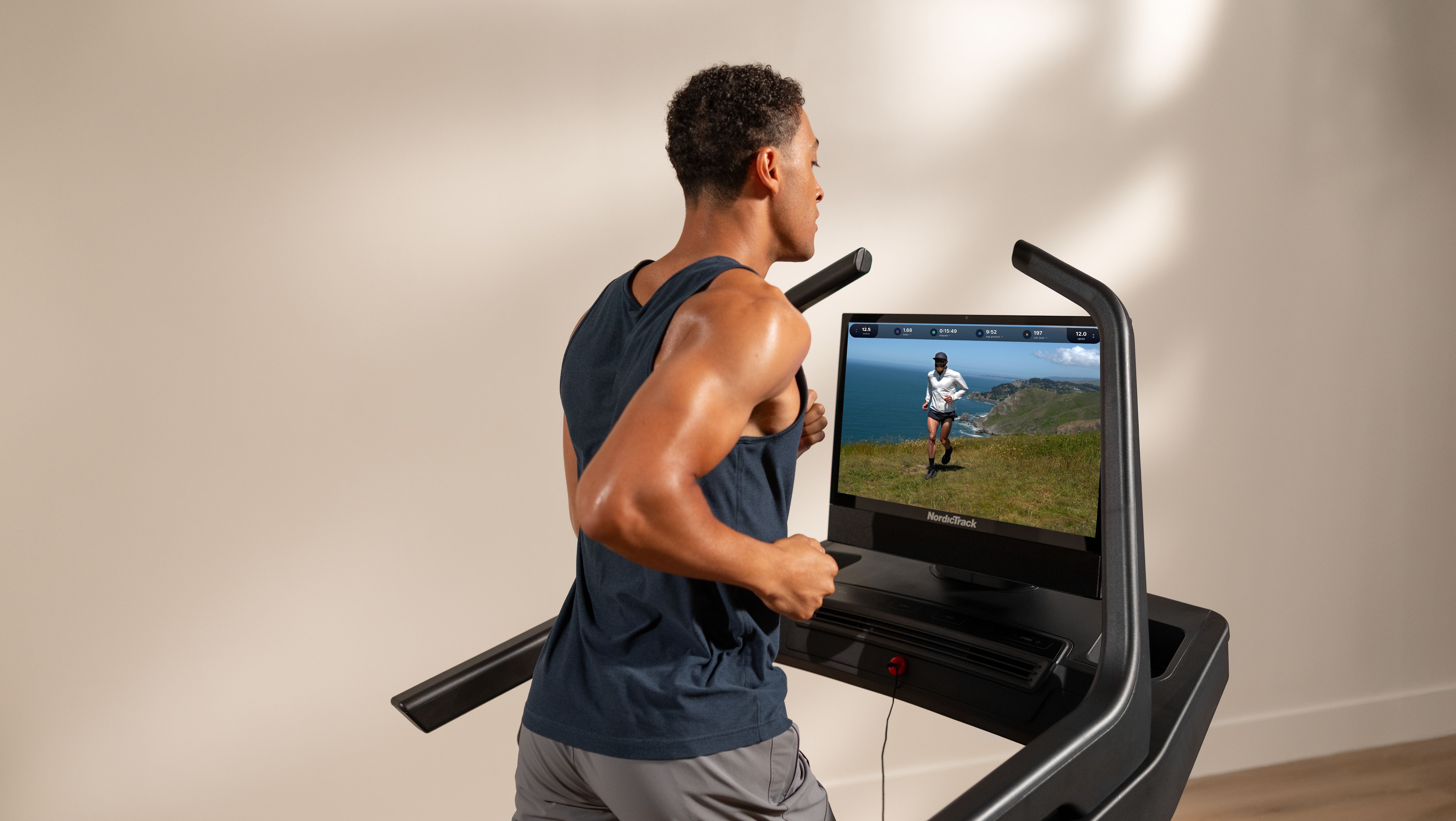
The biggest obstacle to regular exercise is usually friction, not effort.
Friction is the commute, the parking, the wait for equipment, the hours that don’t fit your schedule. It's the extra planning that turns a short workout into a chore. On days when energy is low or life is busy, friction is what makes you skip it.
A home treadmill removes most of that. You walk into the next room. You run early before anyone wakes up or late after the house is quiet. You don’t have to pack a bag or check gym hours. For people balancing work, family, and unpredictable days, that access can be the difference between a consistent habit and a recurring intention.
Privacy matters too. Not everyone likes training in a crowded gym. Some people focus better and push harder when they’re alone. A home setup removes that barrier.
Even as gym memberships reach record highs, average attendance remains relatively low, with members visiting around 1.5 times per week on average.⁴
Do you get the same results at home?
It is possible, with consistency.
Research on structured home-based exercise programs shows that when workouts are guided, progressive, and performed consistently, they can improve physical performance, mobility, and overall health outcomes.⁵
A systematic review of home-based rehabilitation programs found consistent improvements in functional capacity, independence, strength, and quality of life when participants followed structured programs over time.⁵
Equipment location doesn’t determine results. Regular, challenging sessions do.
So the question isn’t whether a treadmill works, but whether your setup helps you stick with it. A gym membership used twice a month won’t match a home treadmill used four times a week. Consistency matters most, and anything that makes it easier is worth attention.
For more on exercise frequency and health benefits, see our article on how long you need to exercise to reach your health goals. Our beginner treadmill workouts show what effective home training can look like.
The motivation factor: can interactive training replace a gym environment?
Many people join gyms for structure and accountability as much as equipment. The concern about buying a treadmill and letting it sit unused is valid.
Interactive training aims to prevent that. On NordicTrack equipment, iFIT provides trainer-led workouts filmed around the world, structured programs for specific goals, and automatic adjustments to match the workout. It feels more like following a coach than exercising alone.
Two features stand out. SmartAdjust personalizes your pace and incline based on your fitness level. ActivePulse uses heart-rate data to adjust intensity during the workout. Both require an iFIT Pro Membership ($39/month), and ActivePulse also needs a compatible heart-rate monitor sold separately.
What iFIT adds beyond a traditional workout

For some people, the biggest difference between working out at home and going to a gym is the experience itself.
iFIT is built around that idea. The platform includes more than 10,000 workouts across multiple training styles, including running, walking, strength training, yoga, Pilates, HIIT, and guided progression programs like half marathon and marathon training.
Instead of repeating the same routine, you can follow workouts filmed all over the world. You might run through mountain trails, walk through historic cities, or follow point-of-view marathon courses that simulate real race environments. There are also AI-driven world explorations and walking tours that make workouts feel less repetitive.
Because everything is on demand, you don’t have to commute or plan your schedule around a class time. You choose the workout when it fits your day.
There is also a social side. Many users connect through the iFIT member community, including groups like the Official iFIT Member Community on Facebook, where people share progress, goals, and encouragement.
This kind of experience may work well for people who want variety, structure, and guidance without needing to leave home. Others may still prefer the in-person energy and environment of a gym. The right fit depends on what keeps you engaged over time.
Whether interactive training can replace the gym depends on what you want from that environment. If you prefer structure, progression, and coaching without building your own plan, guided programs can do that. If you need hands-on feedback, rehab support, or the social atmosphere of a gym, in-person training still offers more. Be honest about which you need. For more details on NordicTrack’s connected fitness experience, see our full breakdown on whether NordicTrack is worth it.
Space, setup, and home gym essentials
Planning your setup makes a bigger difference than most expect. A treadmill that’s awkward to access or always in the way often goes unused.
Most treadmills need about six to seven feet of length and three feet of width. Folding models save space when stored, which helps in small rooms. Check ceiling height if you’re tall or plan to use steep inclines.
A treadmill mat is worth getting. It protects floors, reduces vibration, and keeps the machine stable. Ventilation also matters. Motors get warm, and airflow improves comfort during long runs. A room with a window, fan, or air conditioning helps. Most treadmills plug into standard 120V outlets, but check that before setting up.
Design your space so using the treadmill is easy. If you have to move furniture or clear clutter every time, that friction will eventually win.
Who should choose a gym, and who should invest in a home treadmill?
Neither option is always better. The right choice depends on what’s kept you from exercising consistently before.
A gym membership may work best if you:
Enjoy group classes or exercising with others
Want access to a wide variety of equipment
Prefer not to maintain or store equipment
Don’t have space for a treadmill
Need in-person help when starting out
A home treadmill may work best if you:
Have a schedule that makes gym trips difficult
Value privacy and flexibility
Want to stop paying recurring membership fees
Have family or work demands that limit your time out
Have used gyms inconsistently and want to change that
Want guided programs without paying for personal training
Ask yourself what has kept you from working out regularly. If the problem is time, commute, or access, a treadmill solves that. If it’s variety or social motivation, the gym may suit you better.
For help picking a treadmill, see our guide to the best treadmills for home use.
Next steps: finding the right fit for your goals
A gym membership makes sense for variety, social connection, and in-person support. A home treadmill makes sense for convenience, schedule flexibility, and long-term value. Neither produces results without consistent effort.
If a home treadmill fits your goals, the next step is finding the right model for your space and budget.
Browse NordicTrack treadmill models to compare options
Read our guide to the best treadmills for home use
If upfront cost is a concern, see our breakdown of new vs. used treadmills
Check our treadmill FAQ for common questions
The equipment and programs make it easier to show up. The effort is still yours.
FREQUENTLY ASKED QUESTIONS
References:
Athletech News. US Gym Memberships, Visits Hit All-Time Highs.
Crunch Fitness. How Much Does a Gym Membership Cost?
Alves E, Gonçalves C, Oliveira H, et al. Health-related outcomes of structured home-based rehabilitation programs among older adults: A systematic literature review.
Disclaimer: The primary purpose of this blog post is to inform and entertain. Nothing on the post constitutes or is intended to be a substitute for professional medical advice, prevention, diagnosis, or treatment. Reliance on any information provided on the blog is solely at your own risk. Always seek the advice of your physician or other qualified health provider with any questions you may have regarding a medical condition, and please consult your doctor or other health care provider before making any changes to your diet, sleep methods, daily activity, or fitness routine. Do not disregard professional medical advice or delay seeking it because of information available on this blog. NordicTrack assumes no responsibility for any personal injury or damage sustained by any recommendations, opinions, or advice given in this article. Always follow the safety precautions included in the owner’s manual of your fitness equipment.
RECENT ARTICLES
Equipment | Financing
Is a Treadmill Worth the Investment? What You Get When You Buy Better
Wondering if a treadmill is worth the investment? Learn how incline range, cushioning, motor strength, and guided training shape long-term value and consistent results.
Dec 25, 2025 · 12 min read
READ MORE
Equipment | Financing
Best Treadmill for Home Use: How to Choose for Your Home Gym
Mar 24, 2023 · 6 min read
READ MORE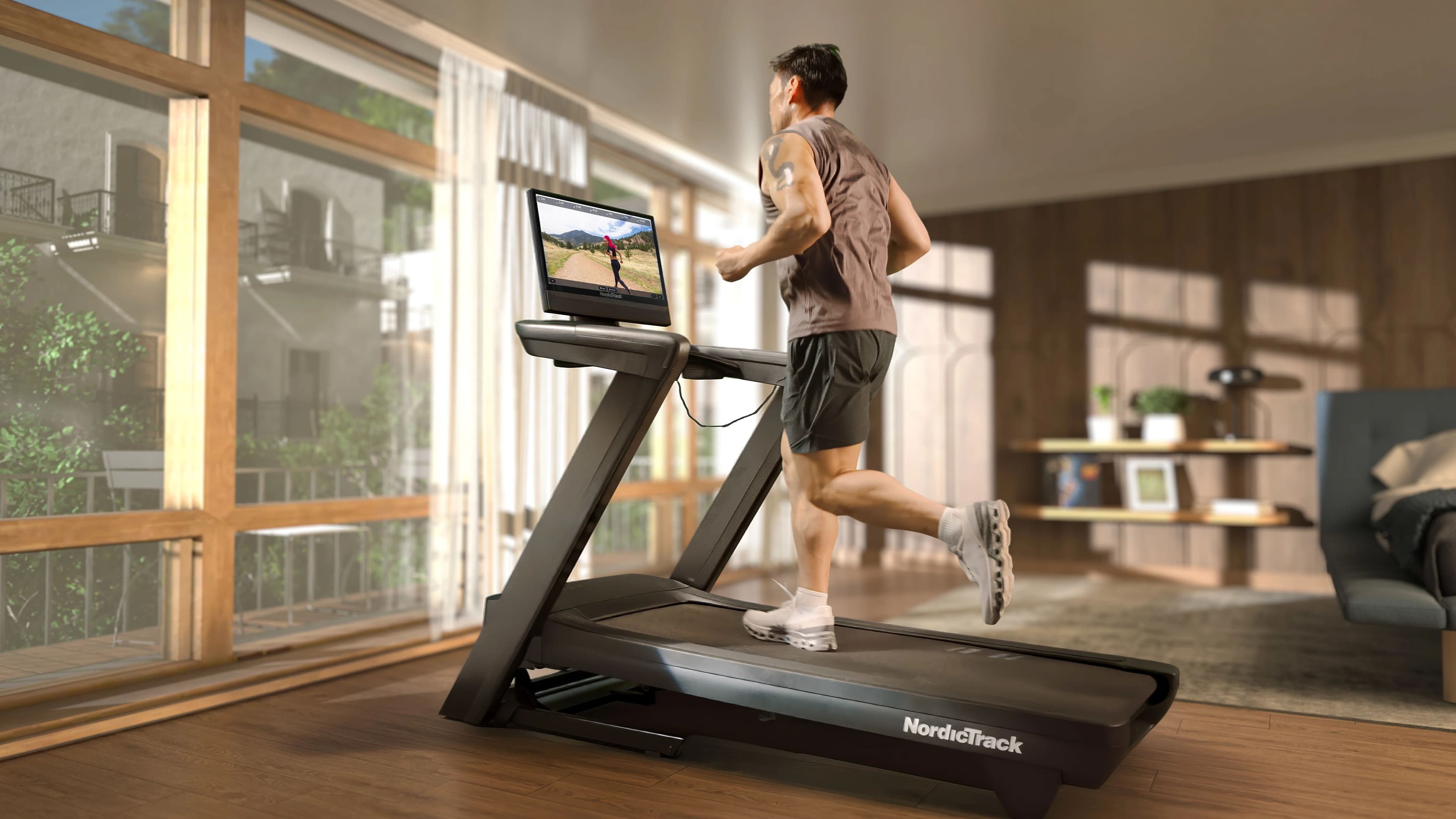
Equipment
New vs. Used Treadmills: Which is the Better Buy for You?
Not sure whether to buy a new or used treadmill? Compare cost, warranty coverage, and features side by side to find the right fit for your budget, space, and training goals.
Aug 25, 2026 · 3 min read
READ MORE