
Treadmill and Back Pain: What Runners Need to Know
Running with back pain? Stress and nervous system state play a bigger role than most runners realize. Wellness coach Allison Richard explains what your body is actually telling you.
By Allison Richard
·
Nov 2, 2026
·
4 min read
IN THIS ARTICLE
KEY TAKEAWAYS
- Stress and nervous system activation can influence how intensely we feel pain during and after a run
- Checking in with your body before, during, and after a run gives you better information than any fixed rule about pushing through or stopping
- Exercise can support nervous system regulation, but starting from a depleted state can sometimes make it another demand rather than a release
- Sustainable movement is about responding to where your body is today, not where you planned for it to be
- Persistent or worsening back pain should always be evaluated by a healthcare professional
The views, information, or opinions expressed on NordicTrack or throughout the Treadmill and Back Pain: What Runners Need to Know article (together, the "Site") are solely those of the individuals involved and do not represent those of iFIT Inc. or its affiliates (collectively, "iFIT Inc."). iFIT Inc. is not responsible and does not verify for accuracy any of the information available through the Site, and iFIT Inc. does not recommend or endorse any specific exercises, tests, physicians, products, procedures, opinions, or other information that may be mentioned on the Site. Reliance on any information provided by individuals appearing on the Site, including those appearing at the invitation of iFIT Inc., is solely at your own risk.
When we experience pain, our brains tend to want an explanation. So if your back starts hurting during or after a treadmill run, it makes sense that your mind might immediately start looking for something to blame or change.
What went wrong? Was it my form? My pace? The incline? What do I need to do differently so it doesn't happen again?
Those can all be important questions to consider.
And what if there's another part of the story you haven't even thought to consider?
Because we don't step onto a treadmill as just a collection of muscles and joints. We bring the state of our entire being with us, including our nervous system and the stress we've been carrying throughout the day.
Stress, the Nervous System and Back Pain
When our stress response, commonly known as "fight or flight," is activated, it creates physiological changes throughout the body. Our heart rate and breathing change and our muscles tense as the body prepares to respond to a perceived challenge. [1]
Our nervous system is also involved in how our brain processes and experiences pain. Stress-related hormones like cortisol and adrenaline, along with changes within our pain-processing systems, can influence the intensity of the pain we feel. [2]
That doesn't mean stress is the cause of every aching back, or that physical pain should ever be dismissed as "just stress." Back pain can have many different causes, and persistent or worsening pain should be evaluated by an appropriate healthcare professional.
It does mean that stress, muscle tension, sleep, recovery and nervous-system state can all be meaningful parts of a more comprehensive story.
Which gives us another question to consider.
Instead of only asking, What went wrong? we can get curious and ask, What's happening in my body right now?
Learning to Understand What Your Body Is Telling You
I've been asking myself that curiosity question a lot over the past several months as I've been building my own stamina as a runner.
There have been days when I've tried to push through discomfort only to realize afterward that continuing to run had made things worse. And there have been other days when I've started a run feeling tight or somewhat imbalanced in my body, only to find that as I continued moving, I felt more grounded, aligned and connected to myself.
The difference wasn't simply whether or not I experienced discomfort. It was learning to pay attention to where I was starting from, what happened as I moved and how I felt afterward.
Not every sensation is necessarily a signal to stop. And not every sensation is something we need to push through.
The more useful practice has been learning to stay curious long enough to begin understanding the difference.
When Exercise Supports Regulation and When It Becomes Another Demand
One of the reasons many of us move in the first place is because it helps us get out of our heads and back into our bodies. It's a form of nervous system regulation.
A run can create space from the thoughts we've been cycling through all day. It can shift our energy, release some of the tension we've been carrying and leave us feeling clearer, more grounded and more present.
So body awareness isn't about analyzing every stride or monitoring every sensation.
In fact, if we're constantly asking What does that mean? Is this bad? Should I stop? What about that sensation?, we've potentially turned a stress-relieving run into one more thing for our brains to manage.
The goal is awareness, not overanalysis.
It's noticing enough to recognize when something meaningfully changes without feeling obligated to interpret every message your body sends.
And context matters.
Maybe you barely slept the night before. Maybe you've been sitting at a desk for eight hours. Maybe yesterday's workout was particularly challenging. Or maybe you've spent the entire day moving from one stressful situation to another without much opportunity to recover.
If we get on the treadmill and automatically require our bodies to perform the exact workout we planned without considering the state we're starting from, exercise can sometimes become one more demand we're placing on an already taxed system.
Nervous-system regulation isn't necessarily about making ourselves calm all the time. It's about having greater capacity to respond to what we're experiencing.
Running With Greater Body Awareness
So how do you run without back pain?
Before you run, notice where you're starting. You don't necessarily need to change anything because of what you notice. You're simply gathering information and increasing your awareness.
Continue checking in as you move. Does your body begin to settle into the movement? Does the discomfort decrease, remain the same or increase? Do you feel yourself becoming more relaxed in your movement, or are you increasingly bracing or guarding?
And then, importantly, allow yourself to move. You don't need to keep checking every few seconds. Give your body the opportunity to find a rhythm, and give yourself the opportunity to experience your body through movement.
Notice how you feel afterward. Does the run leave you feeling stronger, more grounded or energized? Or are you consistently finishing with greater pain, tension or depletion?
Then let that information help inform what comes next.
Starting a workout feeling stiff or uncomfortable doesn't automatically mean movement isn't appropriate. Sometimes movement may help us feel better as we go.
And on the other hand, changing the pace, incline, duration or even the type of movement you do that day doesn't have to mean you've failed at your workout. It can simply mean you're responding to where your body is today, rather than how you expected it to feel when you made the plan.
So rather than simply asking, Should I push through this or stop? we can ask a more nuanced question:
What is my body communicating, and how can I use those signals to increase my awareness and inform how I respond?
Sustainable movement isn't just about completing today's run. It's about developing a relationship with your body that allows you to move with greater awareness, adaptability and trust over time.
Authored By Allison Richard
Allison Richard is a Stress Management Coach, yoga and functional movement instructor, and founder of The School of Self Care. She works with high-performing professionals and organizations to help them better understand the science behind stress and how to work with the brain, nervous system, and body using practical, holistic tools that support greater resilience, self-trust, and well-being. Find her at allisonrichard.com or on LinkedIn.
Train at Home with NordicTrack
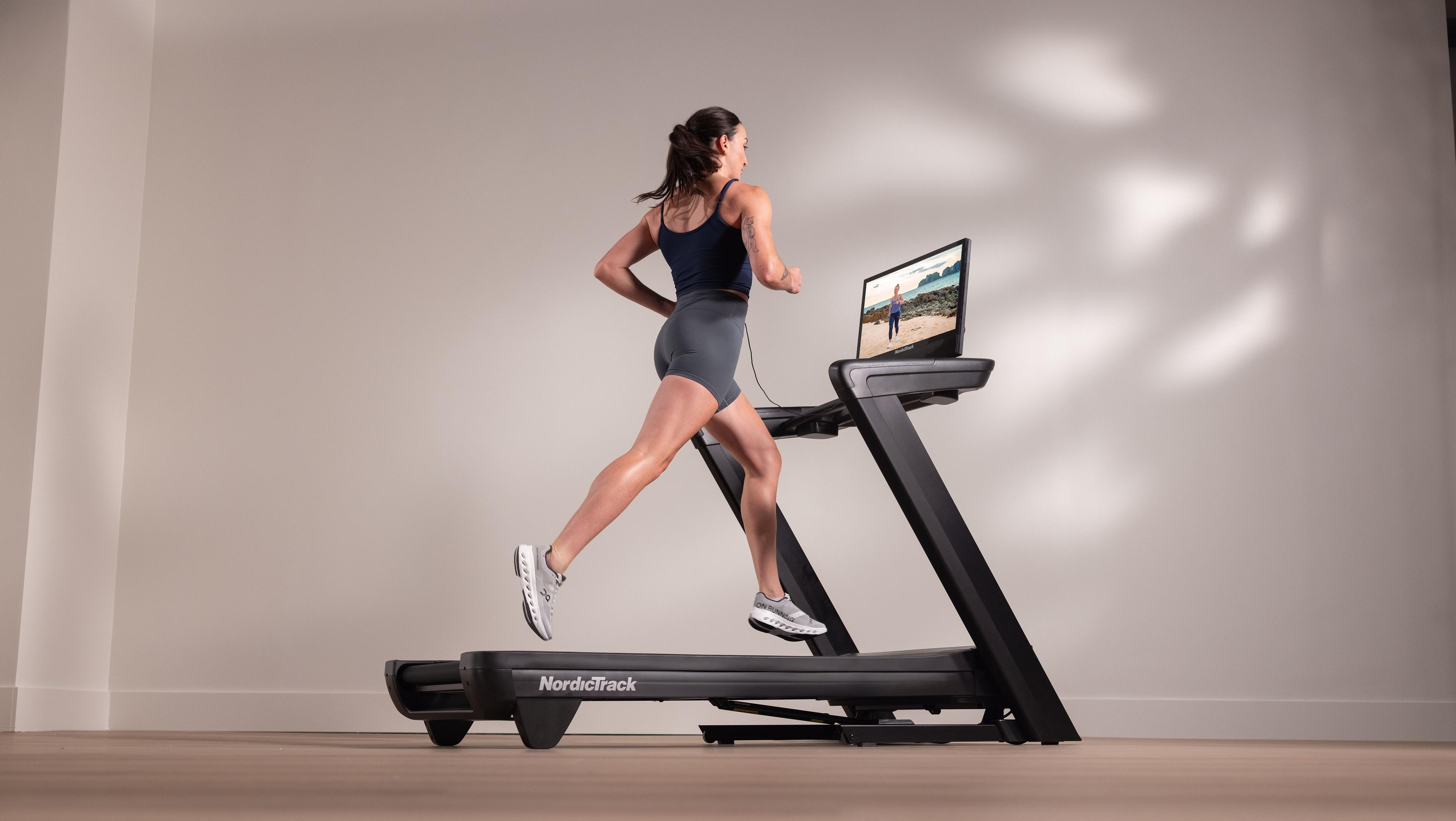
The NordicTrack Commercial 2450 Treadmill is built for consistent home training, with guided workouts from iFIT trainers available with an iFIT membership.
Looking for a place to start? The Tahoe Endurance Running Series on iFIT offers guided trail runs if you want a structured way to practice checking in with your body mid-run.
FREQUENTLY ASKED QUESTIONS
References
National Center for Complementary and Integrative Health. Stress
National Institute of Neurological Disorders and Stroke. Pain
The primary purpose of this blog post is to inform and entertain. Nothing on the post constitutes or is intended to be a substitute for professional medical advice, prevention, diagnosis, or treatment. Reliance on any information provided on the blog is solely at your own risk. Always seek the advice of your physician or other qualified health provider with any questions you may have regarding a medical condition, and please consult your doctor or other health care provider before making any changes to your diet, sleep methods, daily activity, or fitness routine. Do not disregard professional medical advice or delay seeking it because of information available on this blog. iFIT Inc. assumes no responsibility for any personal injury or damage sustained by any recommendations, opinions, or advice given in this article. Always follow the safety precautions included in the owner's manual of your fitness equipment.
RECENT ARTICLES
Equipment
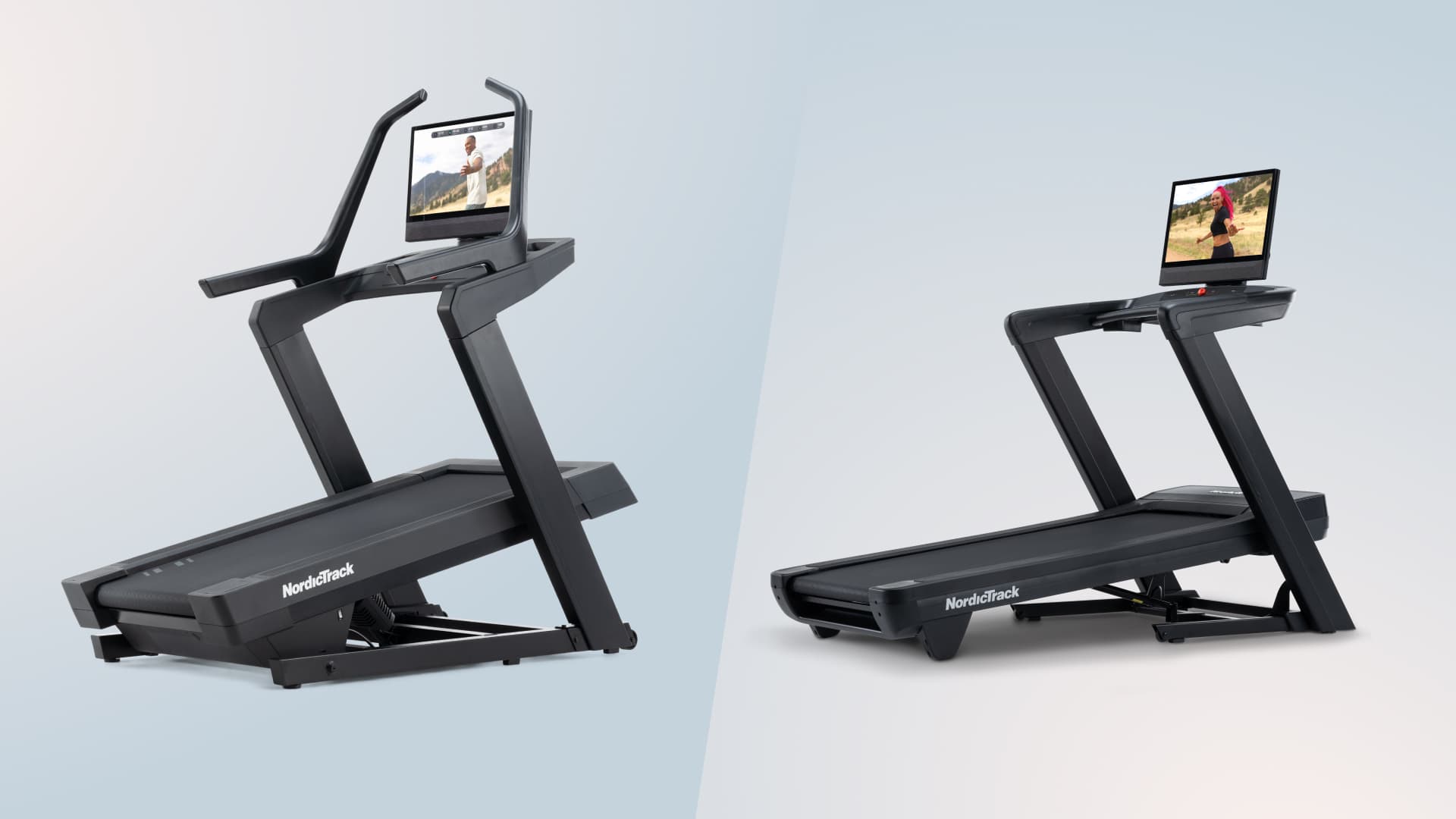
NordicTrack Commercial 2450 vs X24: Which One Should You Buy
Compare the NordicTrack Commercial 2450 vs X24 to find the right treadmill for your goals, whether you prefer running performance or high-intensity incline training.
Mar 18, 2026 · 8 min read
READ MORE
iFIT App
Explore America's National Parks on Your NordicTrack Equipment
iFIT is bringing America's most iconic National Parks to your NordicTrack. Explore guided workout series, earn rewards, and build your Virtual Passport Trophy Case.
Jul 29, 2026 · 5 min read
READ MORE
Equipment
How to Choose a Treadmill for Walking
Most treadmill guides are written for runners. This one explains what walkers actually need: cushioning, low-speed motor quality, incline, and foldability, and why each spec matters for daily use.
Jul 13, 2026 · 10 min read
READ MORE