
Terrain-Driven Training: Why Your Workouts Need Real-World Terrain
Terrain-driven training uses incline and decline to build the real-world readiness you need for hikes, travel, and unpredictable physical demands.
Aug 24, 2026
·
8 min read
IN THIS ARTICLE
KEY TAKEAWAYS
- Terrain-driven training uses incline, decline, and varied resistance to prepare your body for real-world terrain.
- Incline walking research shows metabolic cost jumps 52% at a 5% incline and 113% at a 10% incline compared to flat ground.
- NordicTrack's X24 Treadmill and X24 Bike pair with iFIT to automatically adjust incline and resistance to match trainer-led terrain in real time.
- A comfortable starting point for incline training is 5% to 8% grade, building gradually as fitness improves.
- The benefit of terrain-driven training builds over weeks and months of consistent exposure to varied grades.
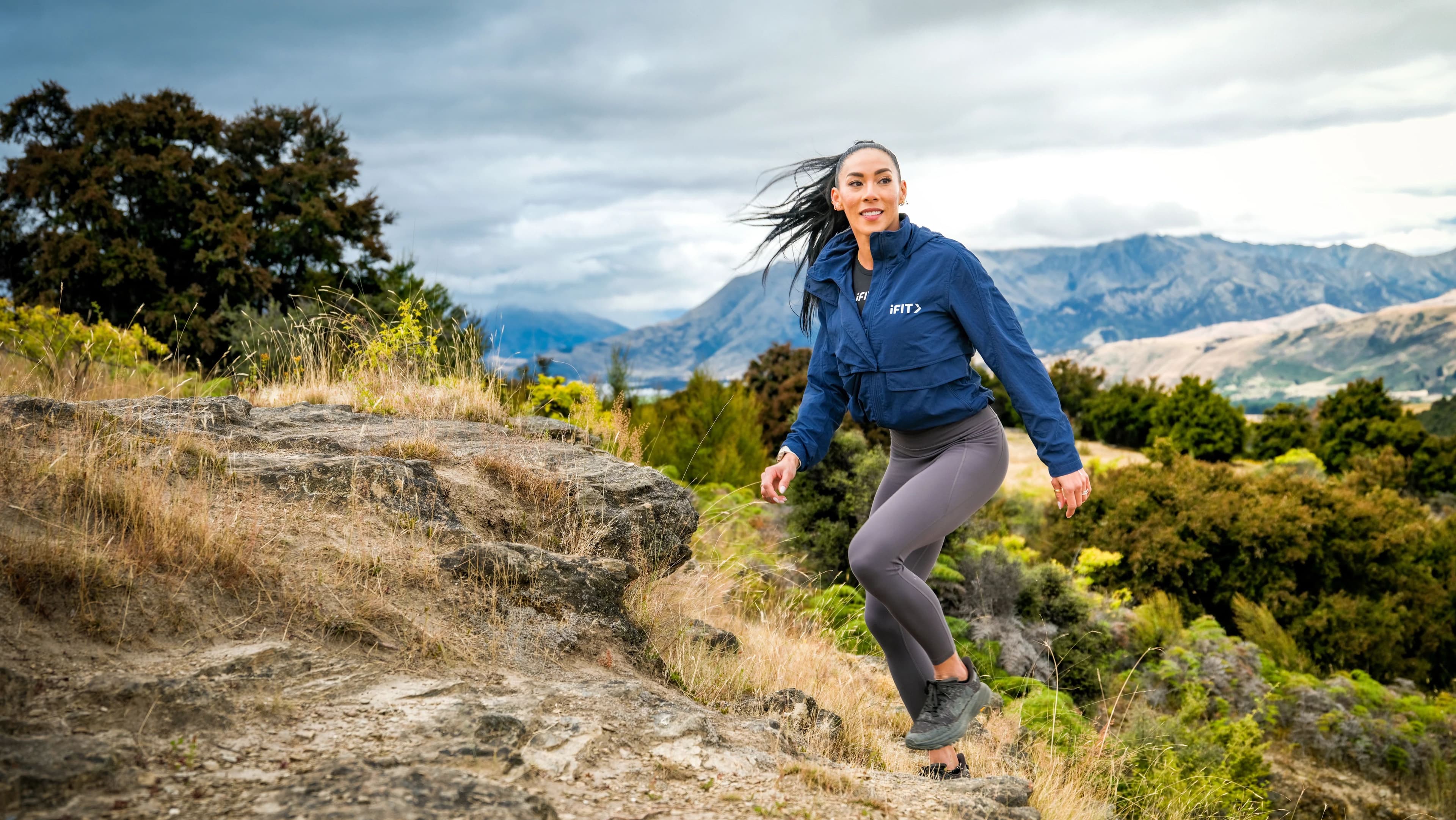
Most home cardio trains you for one surface: flat, even, predictable. But the world you actually move through never stays flat. Trails climb, sidewalks slope, and airport terminals have a way of turning into half-mile sprints. If your training only ever happens on level ground, there's a gap between what your body is ready for and what your life is going to ask of it.
Terrain-driven training closes that gap. It's a way of training that treats incline, decline, and changing ground as central to the workout instead of something to just get through.
What Is Terrain-Driven Training
Terrain-driven training is exercise structured around the variables real-world terrain actually creates: grade changes, resistance shifts, and the physical demand of covering uneven ground. Instead of holding a single flat pace for the length of a workout, terrain-driven training moves you through the same kind of variation you'd encounter hiking a trail, climbing a hill on a bike, or navigating a city on foot.
What matters here is transfer. A body trained only on flat ground has to adapt in real time the first time it faces a real hill. A body trained on varied terrain already knows what to do.
The Science Behind Training on an Incline
The physiological case for incline training is well established. Metabolic cost, the energy your body spends to move, increases sharply as the ground tilts upward. Research shows metabolic cost rises 52% at a 5% incline and 113% at a 10% incline compared to walking on flat ground. [1] That's not a marginal difference. It roughly doubles the physical demand of the exact same walking pace.
That extra demand shows up in more than calorie burn. Incline training also asks more of your muscles. A 2025 study on the popular 12-3-30 workout (12% incline, 3 mph, 30 minutes) found participants burned an average of 220 calories per session. [2] The same research found the workout held participants at an average of 47% heart rate reserve, enough intensity to meaningfully support cardiorespiratory fitness. [2]
None of this requires running speeds. Incline raises the intensity of a walking pace to something closer to a jog, without the impact that comes with actually running.
Terrain doesn't have to mean constant incline, either. Varying intensity, walking briskly then easing off, climbing then leveling out, is itself a recognized training method. Interval-style variation like this can improve heart health and fitness while remaining a time-efficient way to train. [3]
How NordicTrack and iFIT Bring Terrain Into Your Home
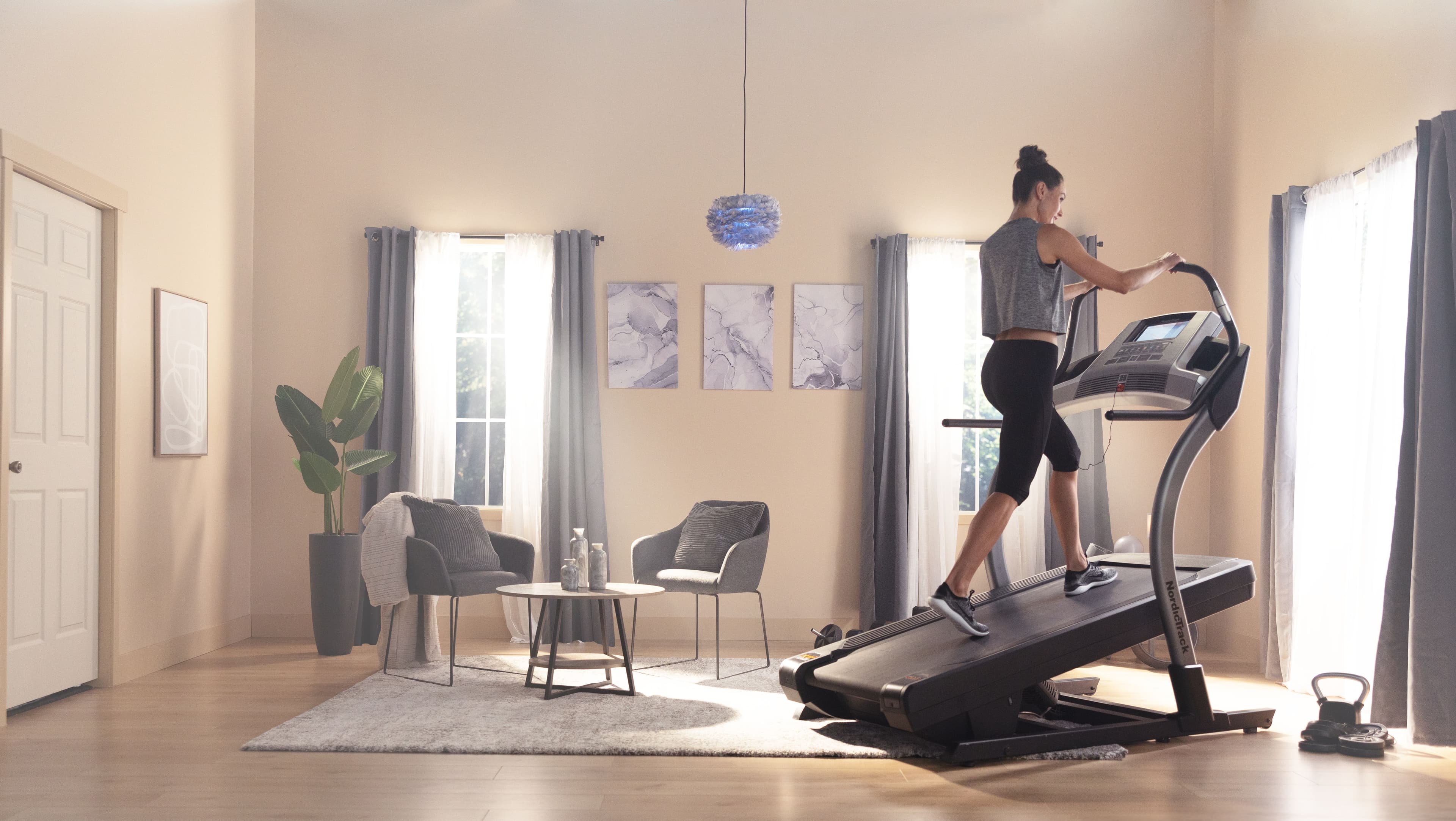
Simulating terrain at home used to mean guessing. You'd nudge the incline up a few percent and hope it roughly matched what you saw on a screen. NordicTrack and iFIT close that gap directly. iFIT's trainer-led workouts are filmed on real terrain around the world, and the machine's incline and resistance shift automatically to match what's happening in the workout. When the trainer starts climbing, the ground under your feet climbs with them, before you have to reach for a single button.
That's the whole idea behind Better Together: the hardware and the software aren't two separate products stacked on top of each other. NordicTrack builds the mechanical range, the incline, the decline, the resistance, and iFIT tells that hardware exactly what to do with it, in real time, based on the terrain in front of you on screen. Neither one does much on its own. Together, they turn a treadmill or a bike into something that actually responds to a route instead of just running in place under it.
NordicTrack X24 Treadmill
The NordicTrack X24 Treadmill is built specifically for this kind of training, with an incline and decline range of -6% to 40%. That range covers everything from a gentle grade to a genuine climb, which means the workouts filmed on steep mountain trails can actually be reproduced underfoot, not approximated.
NordicTrack X24 Bike
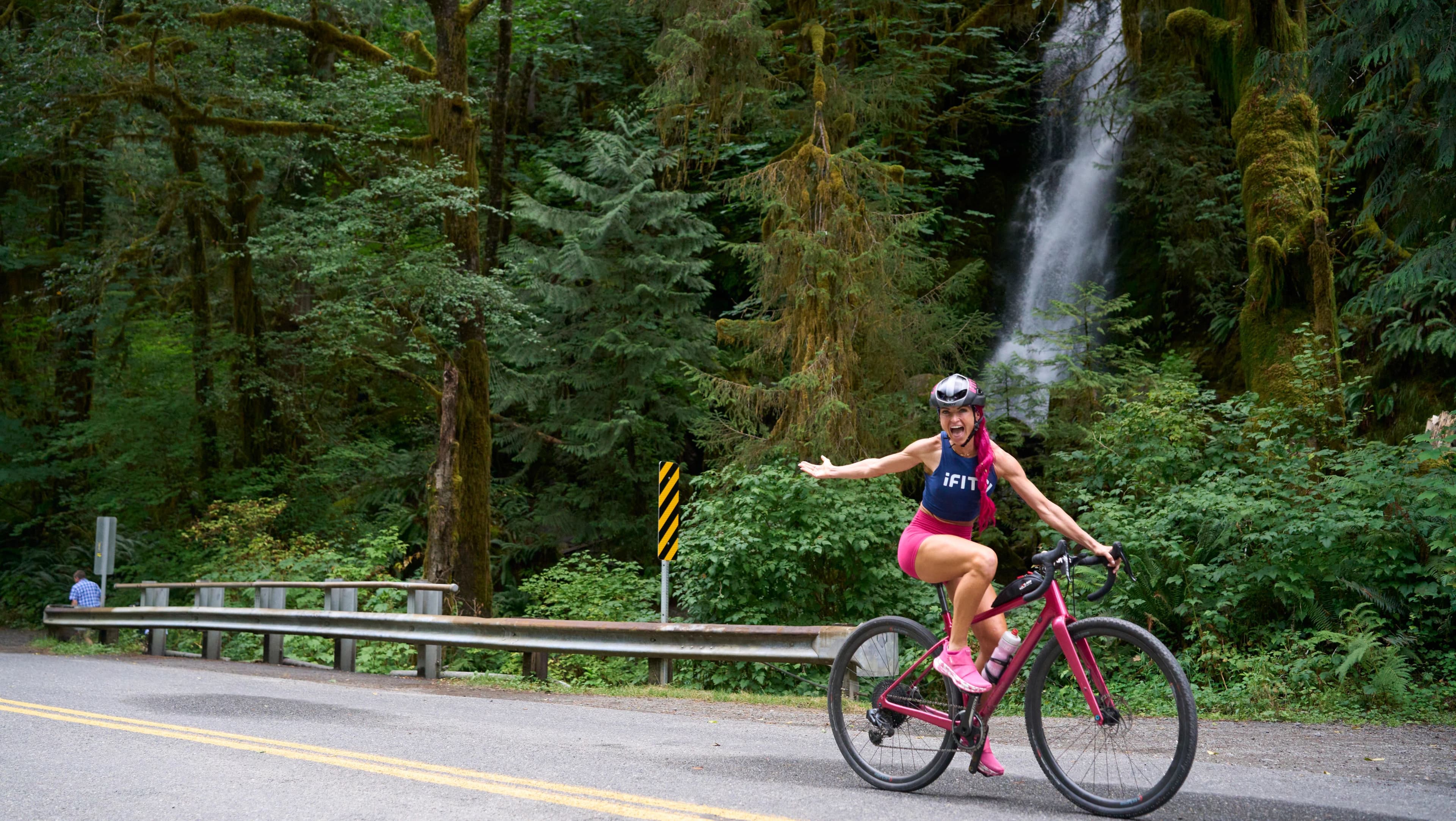
For riders, the NordicTrack X24 Bike offers -10% to 20% incline and 24 resistance levels, letting iFIT's cycling content control both grade and resistance as a route climbs, descends, or flattens out. It's the same terrain-responsive idea, built for two wheels instead of a belt.
One iFIT series puts this to work directly: the Washington National Parks Power & Incline Cycling Series, led by trainer Ashley Paulson, moves through real climbs, including sustained mountain-pass grades, with the bike's incline and resistance shifting to match the terrain on screen throughout the ride. It's a useful place to start if you want to feel what terrain-driven training is actually like before building a full routine around it.
Training for What's Actually Ahead of You
The value of terrain-driven training shows up away from the machine. It's the hike you don't have to think twice about. The extra flight of stairs at the end of a long travel day that doesn't wreck you. It's fitness measured by whether your body ends up being the reason you say no to something you actually wanted to do.
That's a different goal than training to look a certain way. It's training so that when your life asks something physical of you, on a trail, during a trip, in the middle of an ordinary week, you already know you can handle it.
Getting Started with Terrain-Driven Training
You don't need to start at a steep grade. A good starting point looks like 5% to 8% incline at a comfortable walking pace, building from there as your fitness improves. The same principle applies on a bike: start with a moderate resistance and grade, and let the terrain in the workout push you gradually rather than all at once.
What matters more than the starting number is consistency. Terrain-driven training earns its benefit over weeks and months of exposure to varied grades, not from any single hard session.
Explore More
FREQUENTLY ASKED QUESTIONS
References
Silder A, Besier T, Delp S. Predicting the Metabolic Cost of Incline Walking From Muscle Activity and Walking Mechanics
American Council on Exercise. New Study Confirms Health Benefits of the 12-3-30 Workout
Mayo Clinic. Walking: Trim Your Waistline, Improve Your Health
Disclaimer: The primary purpose of this blog post is to inform and entertain. Nothing on the post constitutes or is intended to be a substitute for professional medical advice, prevention, diagnosis, or treatment. Reliance on any information provided on the blog is solely at your own risk. Always seek the advice of your physician or other qualified health provider with any questions you may have regarding a medical condition, and please consult your doctor or other health care provider before making any changes to your diet, sleep methods, daily activity, or fitness routine. Do not disregard professional medical advice or delay seeking it because of information available on this blog. NordicTrack assumes no responsibility for any personal injury or damage sustained by any recommendations, opinions, or advice given in this article. Always follow the safety precautions included in the owner's manual of your fitness equipment.
RECENT ARTICLES
Fitness | Workouts
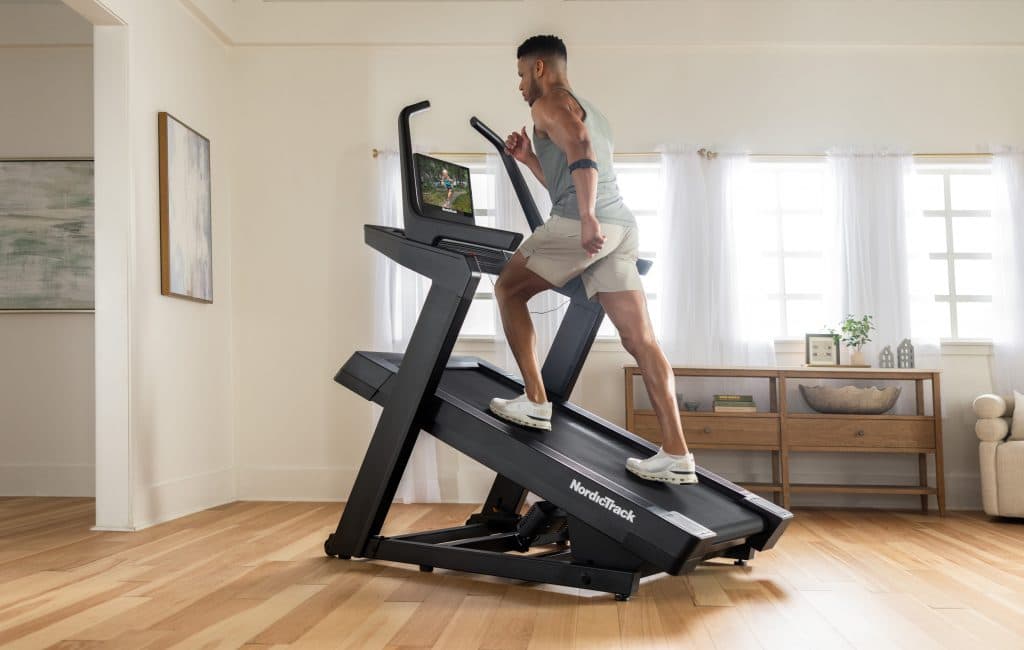
Why Training on an Incline Works Better Than Flat Walking
Incline walking ramps up calorie burn, boosts glute and hamstring activation, and raises cardiovascular demand without the impact of running. Learn safe form, beginner workouts, and treadmill selection tips.
Jul 15, 2025 · 13 min read
READ MORE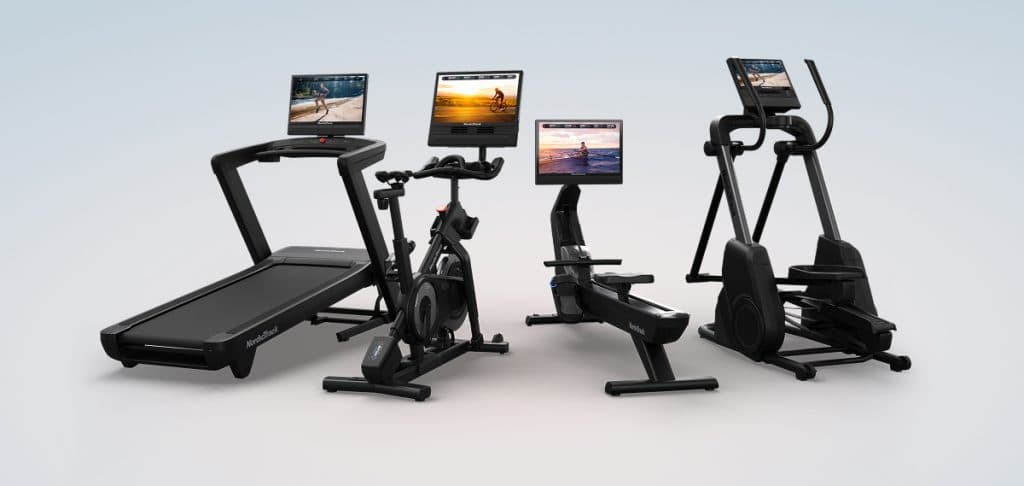
Equipment
Which Cardio Machines Are Worth the Investment?
Not all cardio machines deliver the same results. Compare treadmills, bikes, ellipticals, and rowers to find the model that fits your goals, joint health, available space, and how often you’ll train.
Aug 27, 2025 · 15 min read
READ MORE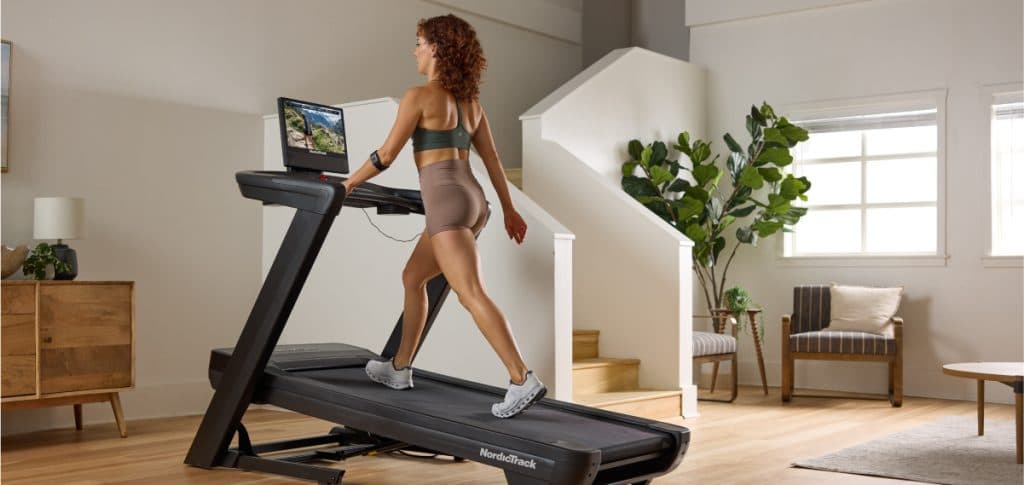
Equipment | Fitness
What Is Incline Training? Benefits, Science, and How to Start
Incline training burns more calories, recruits more muscle, and can be easier on your joints than flat cardio. Here is what the research actually shows and how to get started.
Oct 21, 2025 · 11 min read
READ MORE