
What Is Incline Training? Benefits, Science, and How to Start
Incline training burns more calories, recruits more muscle, and can be easier on your joints than flat cardio. Here is what the research actually shows and how to get started.
Oct 21, 2025
·
11 min read
IN THIS ARTICLE
KEY TAKEAWAYS
- Incline training increases energy cost per minute at the same speed, making workouts harder without requiring a faster pace
- Walking or running uphill recruits more glutes, hamstrings, and calves than flat-surface exercise
- Research shows incline walking shifts fuel use toward a higher proportion of fat during the session compared with flat walking or running at matched calorie output
- One biomechanics study found that walking at 10% grade or steeper reduced a lab measure linked to inner-knee loading in healthy older men
- Beginners can start at 3 to 5% incline and build gradually; NordicTrack incline treadmills and iFIT guided workouts make progressive training straightforward
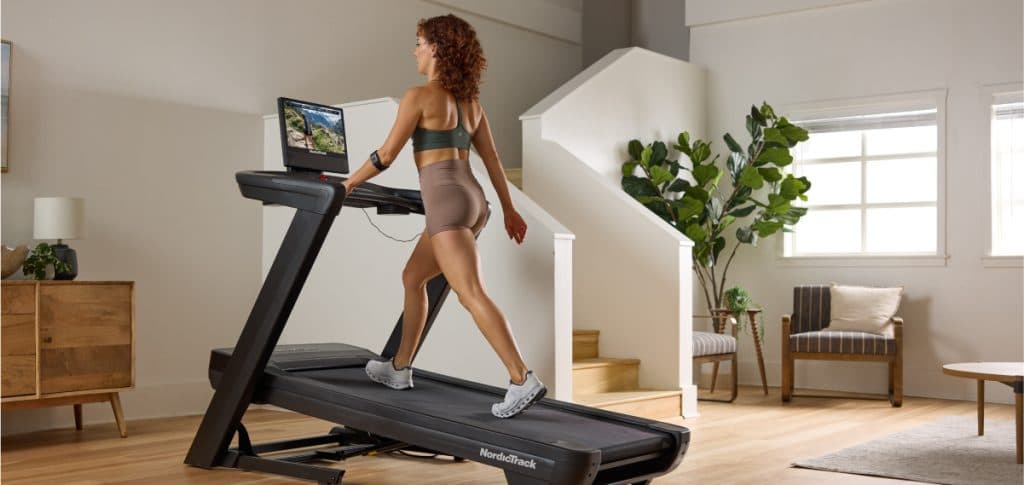
When you picture treadmill training, it’s easy to imagine setting a steady pace on a flat belt. But adjusting to an incline treadmill, or simulating climbs on a bike, changes the game. From calorie burn to joint loading, the science shows incline work isn’t just harder, it’s different.
Let’s break down what incline does to your body, what the latest studies say, and how you can use it effectively on treadmills and bikes.
Why Incline Training Matters
Incline changes the demands of movement. Walking or running uphill requires your body to lift against gravity with each step, recruiting more muscle fibers in your glutes, hamstrings, and calves than flat ground walking. Cycling uphill shifts the mechanics of pedaling, engaging quads and core in different ways.
For busy athletes and everyday exercisers alike, this translates into:
- Higher energy cost per minute.
- Muscle recruitment shifts that may support strength and endurance.
- Potential benefits for joint comfort at the right gradients.
Treadmill Incline: Metabolic Demands
One of the most popular incline treadmill routines is the 12-3-30 workout (12% grade, 3 mph, 30 minutes). A 2024 study compared this incline walking format to self-paced treadmill running, matched for total calories burned. The results? Both expended similar energy, but in very different ways:
- 12-3-30 took longer (about 30 minutes vs 24 minutes running)¹.
- Energy expenditure rate was lower (≈10 kcal/min vs 13 kcal/min)¹.
- Fat utilization was higher (≈41% fat vs 33% fat during running)¹.
The takeaway: Incline walking may be less time-efficient than running, but it shifts your body toward a greater reliance on fat as fuel¹. That makes it appealing for those focused on steady fat metabolism, or for exercisers who prefer walking to running.
Incline and Joint Loading
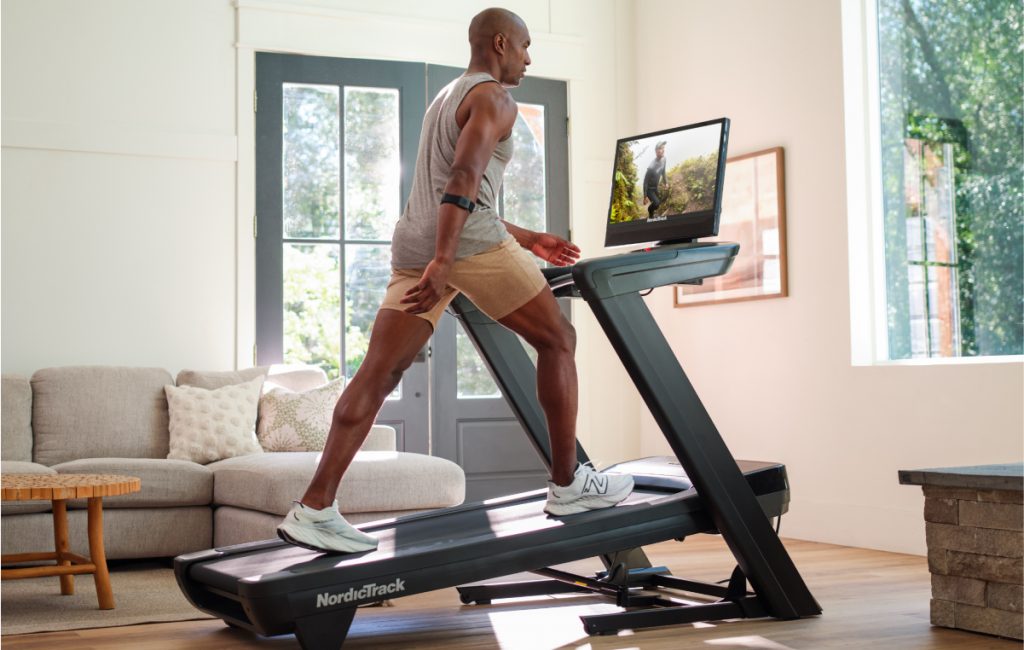
For older adults and those mindful of joint health, incline walking may do more than strengthen muscles — it could also reduce stress on the knee joint.
A 2024 biomechanics study tracked healthy older men walking at different grades (0–20%). At inclines of 10% or higher, the internal knee abduction moment — a measure linked to knee osteoarthritis progression — significantly decreased compared to level walking². Researchers observed a dose-response effect, with greater reductions at steeper grades². The change was partly explained by increased trunk lean at higher inclines².
This suggests that incline walking at ≥10% may not only build fitness but also help reduce medial knee joint loading, a potential advantage for long-term joint comfort².
Incline Bikes: Seated vs. Standing
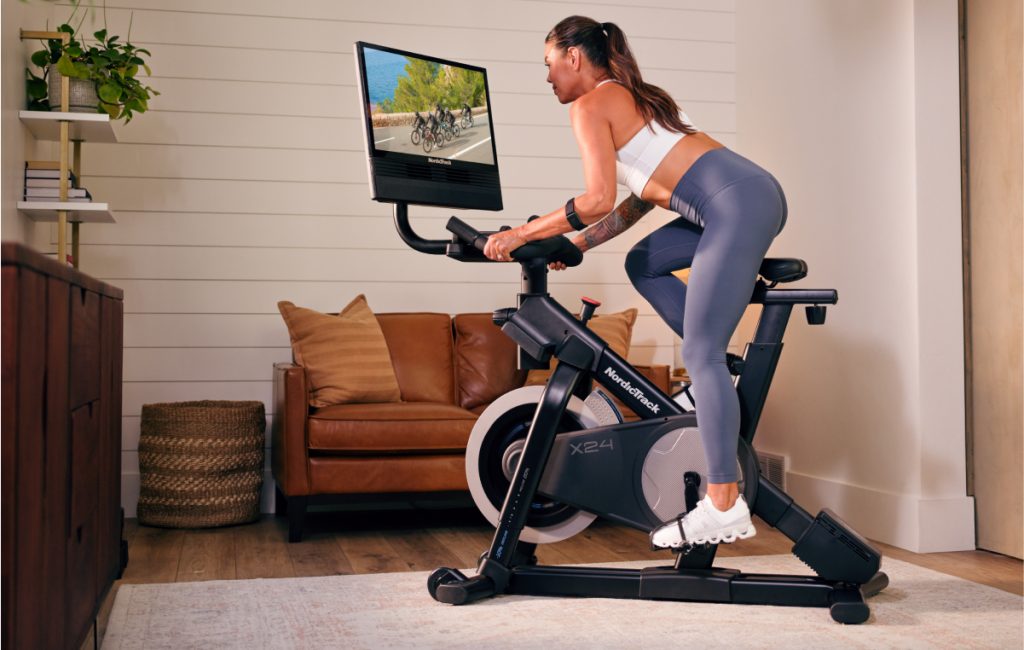
What about climbing on a bike? Unlike treadmills, bikes let you choose between seated and standing uphill positions — and the science shows clear differences.
A treadmill-based cycling study found that:
- VO₂ and heart rate were higher when standing compared to seated at the same 8% grade³.
- Quadriceps activation (rectus femoris, vastus medialis) spiked in standing climbs³.
- Ventilation demands increased standing, but breathing–pedaling coordination remained stable³.
In practical terms, this means:
- Seated climbing is more economical, conserving energy during long efforts³.
- Standing increases intensity and caloric cost, useful for short bursts or intervals³.
So, despite which kind of bike you're on, you can use incline modes strategically: stay seated for efficiency, stand briefly to spike effort and variety³.
Practical Guidelines for Using Incline
Here’s how to make incline treadmill and bike work for you:
- Treadmills: Start with 5% incline for comfort, then build toward 10–12%, where research shows clear joint and metabolic benefits². Use the Commercial 1750(–3% to 12%) for road-like training or the Incline Series like the X16 (–6% to 40%) for steep hill simulations.
- Bikes: Train primarily seated on climbs for economy³. Incorporate 30–60 second standing intervals to challenge quads and elevate heart rate³. The X24 Bike adjusts automatically with iFIT’s Follow Trainer feature, so grades sync to real-world terrain.
- Progress gradually: Let RPE (rate of perceived exertion) guide you — steep inclines can feel harder fast.
Try It with iFIT
Incline training feels most natural when it’s guided. iFIT-enabled equipment can automatically adjust incline and resistance to simulate real-world terrain, offering immersive workout experiences in locations such as the Alps, Costa Rica, or Mount Fuji.
- Explore iFIT Global Workouts → Hills, trails, and climbs that match your goals with automatic incline and resistance control.
- Tap into iFIT AI Coach → Get a progressive incline training plan designed to support general fitness goals, including endurance and strength development, as part of a comprehensive wellness routine.
Takeaway
So, is incline worth it? The evidence points to yes, with nuance. On treadmills, incline walking changes fuel use and may reduce knee loading at steeper grades. On bikes, seated climbing is more efficient, while standing pushes intensity higher. With the right equipment and guidance from iFIT, incline becomes more than a harder workout, it’s a smarter one.
Put Incline to Work
For steep hill simulation on foot, explore the NordicTrack X16 Incline Treadmill or the NordicTrack X24 Incline Trainer. For incline training on two wheels, the NordicTrack X24 Bike adjusts grade automatically with iFIT's Follow Trainer feature.
FREQUENTLY ASKED QUESTIONS
References
- International Journal of Exercise Science. An Exploratory Study Comparing the Metabolic Responses between the 12-3-30 Treadmill Workout and Self-Paced Treadmill Running.
- Sports Medicine and Health Science. The effect of incline walking on lower extremity and trunk mechanics in older adults.
- International Journal of Exercise Science. Physiological and Biomechanical Differences Between Seated and Standing Uphill Cycling.
Disclaimer: The primary purpose of this blog post is to inform and entertain. Nothing on the post constitutes or is intended to be a substitute for professional medical advice, prevention, diagnosis, or treatment. Reliance on any information provided on the blog is solely at your own risk. Always seek the advice of your physician or other qualified health provider with any questions you may have regarding a medical condition, and please consult your doctor or other health care provider before making any changes to your diet, sleep methods, daily activity, or fitness routine. Do not disregard professional medical advice or delay seeking it because of information available on this blog. NordicTrack assumes no responsibility for any personal injury or damage sustained by any recommendations, opinions, or advice given in this article. Always follow the safety precautions included in the owner’s manual of your fitness equipment.
RECENT ARTICLES

Equipment
How to Decide on the Best Incline Treadmill: Everything You Need to Know
Nov 12, 2023 · 13 min read
READ MORE
Equipment | Fitness
5 Reasons Incline Treadmills Transform Your Workouts
Incline treadmills burn more calories, build more muscle, and keep training fresh. Learn how to choose the right model, progress safely, and use NordicTrack X Series features to get results.
Mar 10, 2023 · 8 min read
READ MORE
Fitness
Home Treadmill Training: Improving Incline Endurance
A NordicTrack treadmill can be the key to improving your incline endurance. By following our training tips, you will be flying up hills in no time.
Oct 22, 2018 · 3 min read
READ MORE