
Master Home Strength Training: Build Real Strength in Your Living Room
Build real strength at home with simple gear and proven moves. No gym required. Discover how adjustable dumbbells, resistance bands, and smart programming deliver lasting results.
Sep 5, 2025
·
7 min read
IN THIS ARTICLE
KEY TAKEAWAYS
- Home strength training removes common barriers to consistency, making it easier to build a lasting fitness habit on your own schedule.
- A compact setup with adjustable dumbbells and resistance bands is enough to train your full body effectively without a dedicated gym space.
- Foundational movements like deadlifts, squats, glute bridges, and rows build functional strength that supports everyday movement and protects joints.
- Targeting the lower back, glutes, and hips through home strength training improves stability, posture, and real-world performance.
- Guided iFIT workouts provide structure, progression, and motivation to keep your home strength training on track.
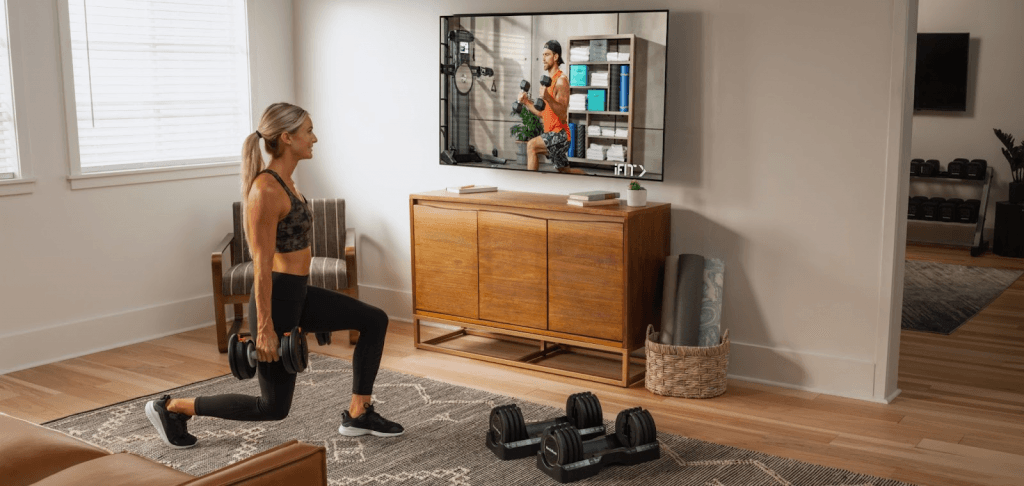
Building strength at home is more than a trend. Many people choose to train in their living room or spare corner because it removes barriers and makes consistency realistic. Real results come from smart tools, proven moves, and habits that fit your everyday life.
With simple weights for strength training, like adjustable dumbbells and resistance bands, anyone can feel stronger, protect joints, and build confidence — all without stepping into a crowded gym.
Why Home Strength Training Matters
Training at home is about more than saving money or avoiding the commute. It removes common barriers that can make fitness feel intimidating. There is no waiting for equipment, no crowded locker rooms, and no need to keep up with anyone else’s pace. Instead, you control the time, the equipment, the movements, and even the playlist that keeps you motivated.
This flexibility helps build a habit that lasts. When your routine fits into daily life, it becomes easier to stick with for months and years, which is where real progress happens.
Strength training at home does more than shape muscles. Strength training increases lean muscle mass, which can boost metabolism and support a healthy weight1. Studies show that adults who engage in resistance training at least twice a week are significantly less likely to develop obesity later in life2.
Equally important, training at home builds functional strength that helps with everyday movements. Carrying groceries, playing with kids, climbing stairs, or lifting boxes all rely on strong, balanced muscles. By including low back strengthening exercises, glute strengthening exercises, and hip strengthening exercises, the body becomes more resilient, stable, and prepared for real-life tasks3.
Smart Gear for a Compact Strength Setup
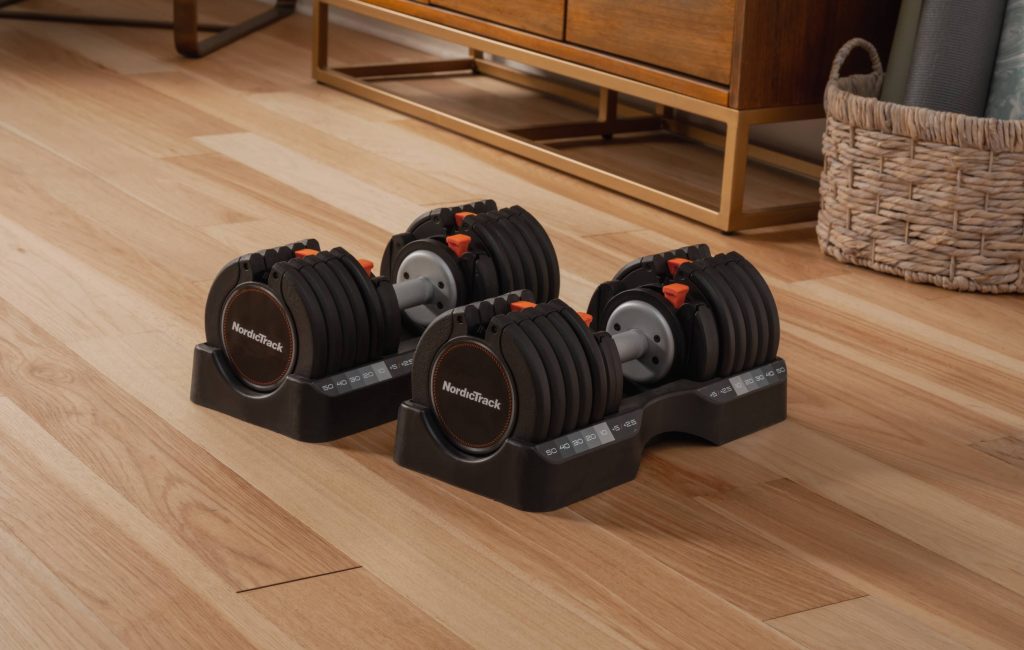
Effective home strength training does not require an entire basement gym. A few practical tools create a space that works for any home:
Adjustable Dumbbells: One pair can replace a full rack of weights, saving space and making it easy to progress as strength improves.
Resistance Bands: Bands are affordable and add variety, providing tension for squats, rows, presses, and hip exercises.
Kettlebell (Optional): Adds dynamic movements like swings or single-leg deadlifts to challenge balance and stability.
Workout Mat: Protects floors and supports exercises for core, hips, and the lower back.
This basic compact strength gear setup is all many people need to train effectively in any room.
Essential Exercises for Strength at Home
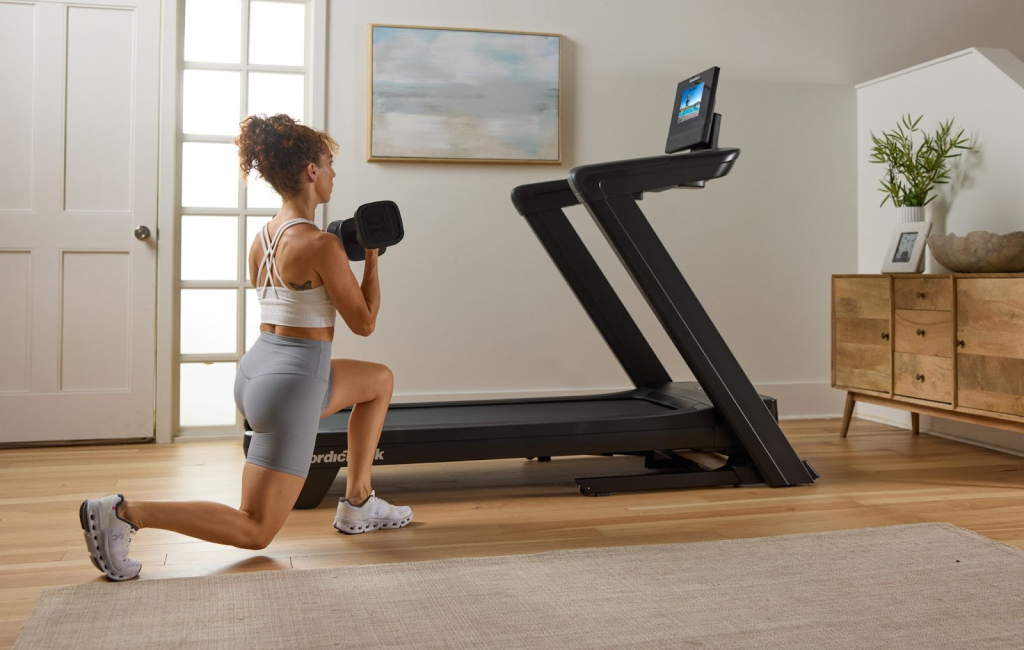
Every good routine should include a mix of exercises that train the entire body and build strength that carries over to real life. Here are foundational movements to include in any home strength training plan:
Squats and Goblet SquatsTarget the legs, hips, and glutes. Holding a dumbbell adds resistance and keeps the core engaged.
DeadliftsOne of the best low back strengthening exercises4, deadlifts build strong glutes, hamstrings, and protect the spine by teaching safe lifting mechanics.
Bent-Over RowsStrengthen the upper back and shoulders, helping with posture.
Shoulder PressesBuild shoulder and arm strength for everyday lifting tasks.
Glute BridgesStrengthen your glutes and hips with bodyweight or banded moves that also engage the hips and lower back.
Resistance Band MovesAdd lateral steps for hip strengthening exercises, banded squats for extra tension, or rows for back strength.
Start with 2 to 3 sets of 8 to 15 reps per move. Use adjustable dumbbells or bands to adjust resistance as you grow stronger. Always focus on steady, controlled form.
Functional Strength Training: Real-World Benefits
Including these movements builds more than muscle. It supports better balance, safer lifting, and more confident daily movement. This is the core of functional strength training — training your body for how you actually move each day.
Add Structure with Strength Training Classes
Once the basics feel comfortable, guided strength training classes help keep you on track. iFIT workouts provide clear instruction, structured progressions, and built-in motivation, so you do not have to plan each session alone. Many people find classes make it easier to stay consistent, especially when training at home.
When You’re Ready to Progress
When you want to add variety, a few simple upgrades can keep things fresh:
- Add heavier adjustable dumbbells to challenge your muscles safely.
- Use a folding bench for incline presses and supported rows.
- Try a complete resistance band kit with handles and anchors to mimic cable moves in a small footprint.
Stick to compact strength gear that works for your space, and adjust as your goals grow.
Tips for Building a Routine You’ll Keep
- Pick a consistent time for training, even 15 to 20 minutes makes a difference.
- Keep your gear visible so it feels easy to get started.
- Celebrate small milestones like better form or heavier reps.
- Pair strength work with short walks or stretching to stay balanced.
Keep Strength Simple
- Home strength training does not need to be complicated or expensive. With a few practical tools and a clear plan, you can build real strength, protect your joints, and feel more confident in daily life — one rep at a time.
Ready to Try Strength Training at Home?
- Explore beginner-friendly iFIT Workouts
- Check out NordicTrack’s adjustable dumbbellsfor any space.
- Learn more about functional movesto strengthen your back, hips, and glutes safely.
FREQUENTLY ASKED QUESTIONS
References
- National Heart, Lung, and Blood Institute. (2024). Cardio plus strength training lowers cardiovascular disease risk profile in overweight or obese adults.
- National Heart, Lung, and Blood Institute. (2021). Study: Regular resistance training associated with reduced risks of obesity.
- National Institute on Aging. (n.d.). Health benefits of exercise and physical activity.
- National Strength and Conditioning Association. (2021). Risk–benefit considerations for deadlifting in rehabilitating low back injuries.
- Office of Disease Prevention and Health Promotion. (n.d.). Physical Activity Guidelines for Americans. https://odphp.health.gov/our-work/nutrition-physical-activity/physical-activity-guidelines
Disclaimer: The primary purpose of this blog post is to inform and entertain. Nothing on the post constitutes or is intended to be a substitute for professional medical advice, prevention, diagnosis, or treatment. Reliance on any information provided on the blog is solely at your own risk. Always seek the advice of your physician or other qualified health provider with any questions you may have regarding a medical condition, and please consult your doctor or other health care provider before making any changes to your diet, sleep methods, daily activity, or fitness routine. Do not disregard professional medical advice or delay seeking it because of information available on this blog. NordicTrack assumes no responsibility for any personal injury or damage sustained by any recommendations, opinions, or advice given in this article. Always follow the safety precautions included in the owner’s manual of your fitness equipment.
RECENT ARTICLES
Equipment
Which Cardio Machines Are Worth the Investment?
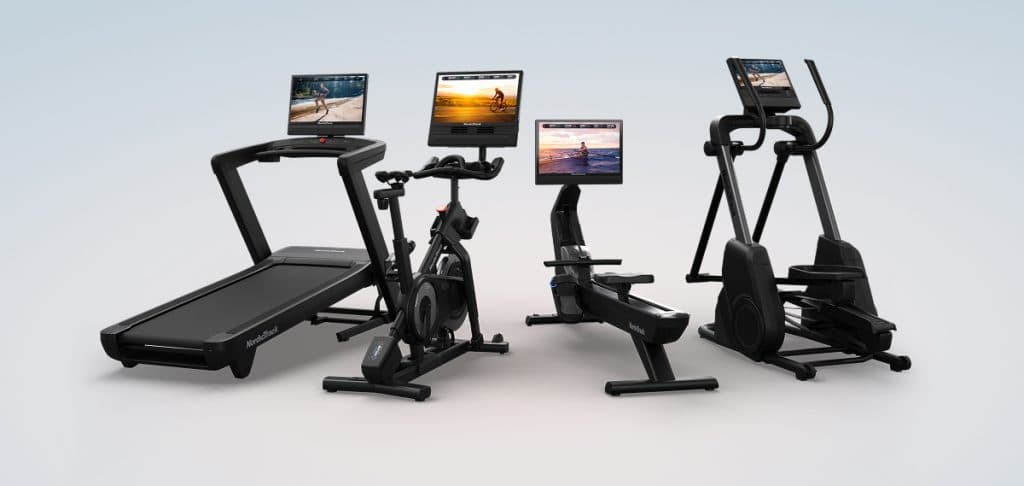
Not all cardio machines deliver the same results. Compare treadmills, bikes, ellipticals, and rowers to find the model that fits your goals, joint health, available space, and how often you’ll train.
Aug 27, 2025 · 15 min read
READ MORE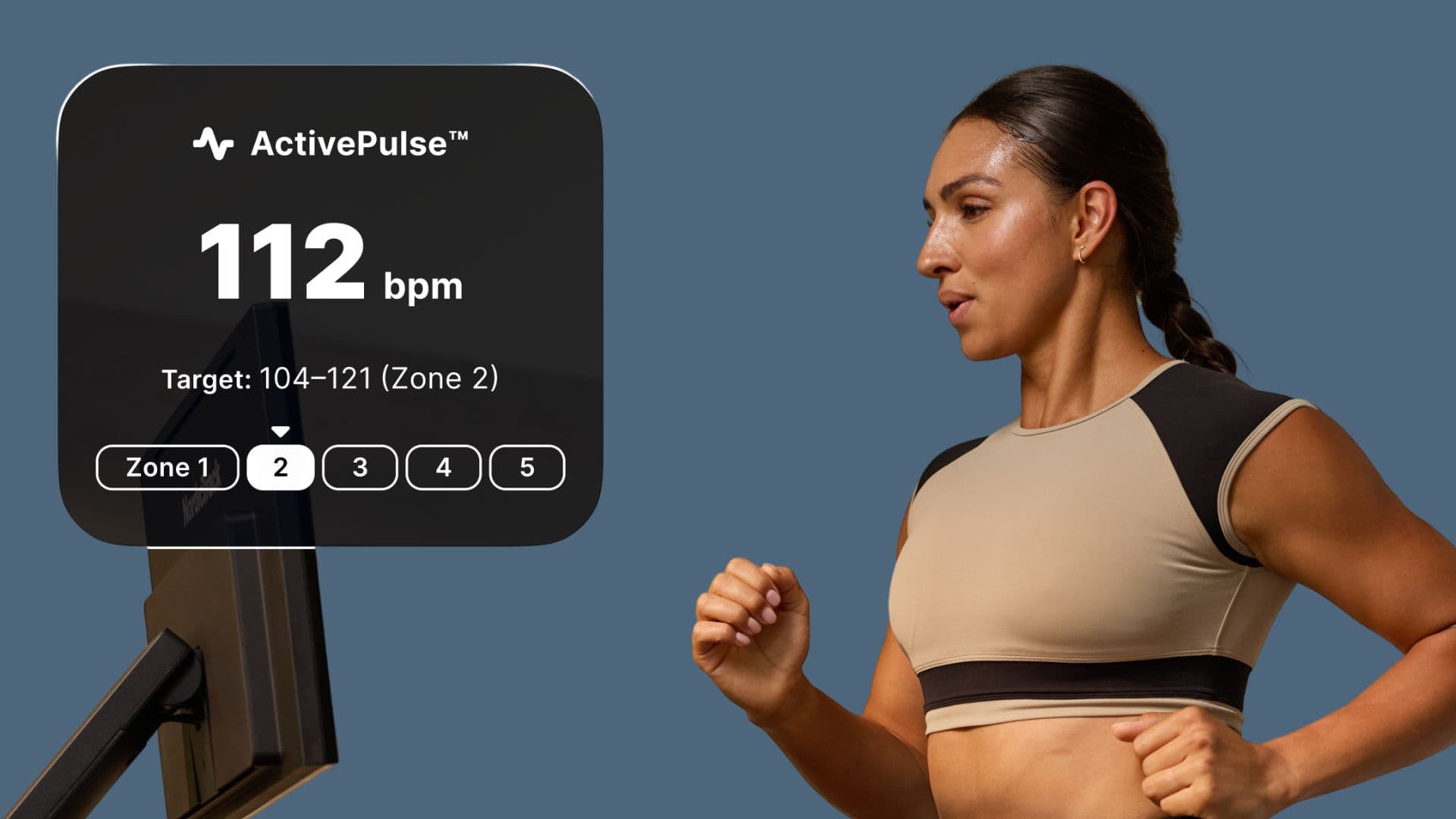
iFIT App | Equipment
What Is ActivePulse? How Heart Rate Training Helps Guide Your Workout
Learn how ActivePulse uses heart rate training to automatically adjust your workout intensity, helping you stay on track and train more effectively with less guesswork.
Mar 26, 2026 · 6 min read
READ MORE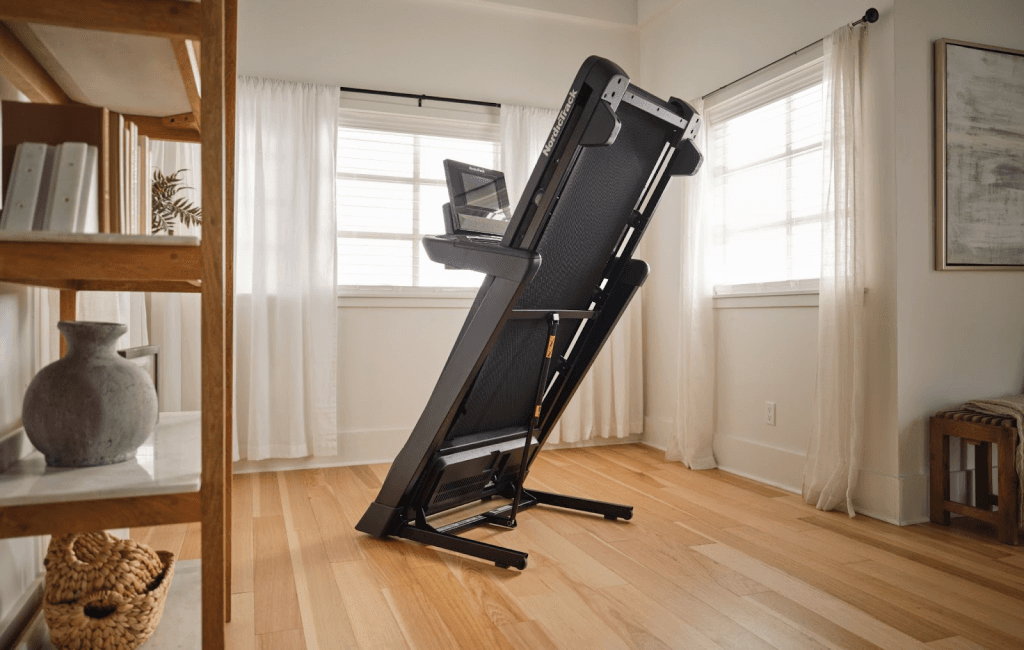
Equipment | Fitness
Compact Home Gym Setup: Smart Gear Picks for Small Spaces
Build a compact home gym that fits any corner of your home. Learn which foldable treadmills, compact cardio machines, adjustable dumbbells, and recovery tools keep your training consistent and efficient.
Sep 2, 2025 · 13 min read
READ MORE