
How Luxury Spas Are Integrating Pilates Reformers Into Their Wellness Programming
Luxury spas are building reformer Pilates into their core wellness offerings, not as a fitness add-on but as a primary guest experience. Here is how the integration works and what makes it succeed operationally.
Oct 21, 2026
·
8 min read
IN THIS ARTICLE
KEY TAKEAWAYS
- Guest behavior is the driver: wellness-focused travelers who already practice Pilates arrive at spas expecting continuity with their home routines. Properties without reformer access are missing where that audience has planted itself.
Three integration models are proven: instructor-led studio sessions, self-guided connected access, and a hybrid approach that combines both.
The connected reformer, paired with iFIT, enables self-guided access without dedicated instructor staffing — making the model scalable across all guest hours.
Placement, onboarding, and booking integration matter as much as the machines themselves. A reformer bookable through the spa menu performs differently than one tucked into the fitness room.
The Reformer Digital Activation is priced per machine, billed upfront: $396 for one year, $999 for three years, or $1,599 for five years.
For most of the last decade, the reformer lived in boutique Pilates studios. That geography is shifting. Luxury spas, wellness resorts, and destination retreats are increasingly building reformer programming into their core offerings, not as a fitness add-on, but as part of the primary wellness experience guests come for.
The driver is guest behavior. Pilates has become one of the dominant fitness categories globally. Guests who practice at home, at a studio, or through an app arrive at a spa expecting continuity. A resort that offers morning yoga but no reformer access is missing where a significant share of wellness-focused travelers have already planted their routines.
This article covers how luxury spas are approaching reformer integration, what makes it work operationally, and what the connected reformer offers beyond a standard machine.
Why Spas Are Moving Beyond the Traditional Fitness Room
The traditional hotel spa model separated fitness from wellness. The gym was functional. The spa was restorative. The programming lived in the spa side, and the gym was largely self-service.
That separation is eroding. Guests who plan their travel around their health routines do not draw that line. They want progressive movement, not just access to cardio equipment. They want a structured experience that delivers something they could not get from a hotel treadmill or a yoga mat in the room.
The category is already active across luxury wellness destinations globally. The question for luxury properties is where they position within it.
Three Models Luxury Spas Are Using
There is no single way to integrate a reformer. The approach depends on the property's size, staffing model, and guest profile. Three distinct models appear consistently across properties that have done this successfully.
Instructor-Led Studio Sessions
The most established model runs reformer classes as a scheduled spa service. One to six machines in a dedicated space, classes bookable through the spa menu alongside facials and massages. Guests pay per session or include it in a wellness package. The appeal is experiential: a dedicated instructor, a designed space, and a session that feels like a luxury service rather than a trip to the gym.
This model requires a trained Pilates instructor on staff or a contracted studio relationship. It works well for larger properties with consistent occupancy and an existing spa team infrastructure.
Self-Guided Access as a Guest Amenity
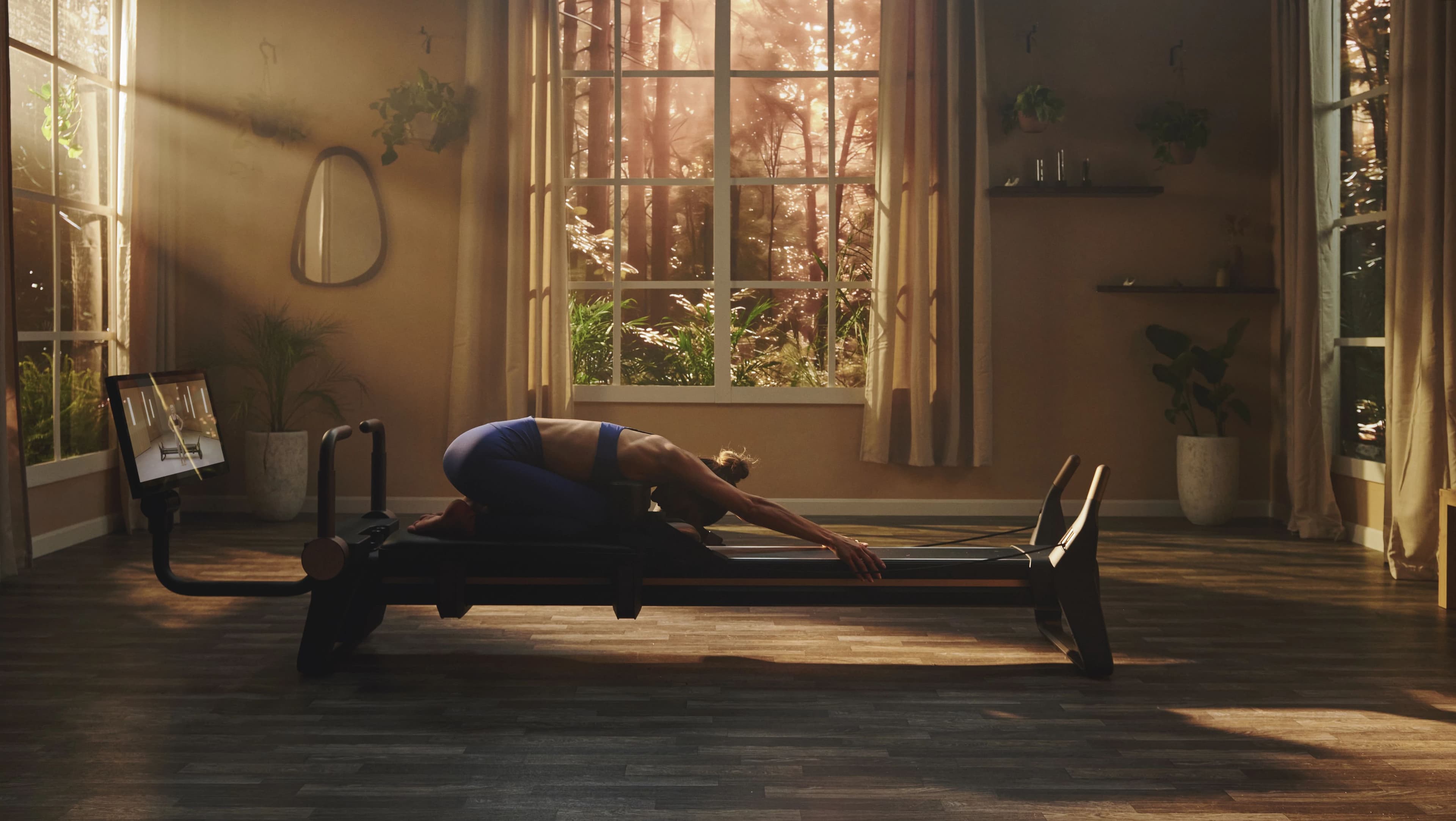
The connected reformer, paired with iFIT, enables a second model that does not require dedicated instructor staffing. With iFIT, guests follow certified instructors through the machine's built-in screen and Bluetooth headphones, choosing from a library of sessions at their own pace and level.
This model scales more easily. Machines are available across all guest hours without class scheduling, and the experience does not degrade when the instructor is off shift. For resorts that want to offer reformer access without committing to full Pilates studio staffing, the connected model is the practical path.
The NordicTrack Ultra 1 Reform RX-S, paired with iFIT, is designed for this model: a 24-inch HD touchscreen, four resistance springs delivering up to 143 lbs (65 kg) of resistance, a 375-pound (170 kg) user capacity, and a Smart Spine™ Enclosed-Spring design for self-guided commercial settings. NordicTrack's commercial page for the Ultra 1 Reformer Series describes the offering as "a growing library of on-demand Pilates content designed to support self-guided sessions to hybrid programming across every user level and movement style," with iFIT. [1]
With iFIT, the Sculpt and Fly series with Yvette McGaffin is one example from the iFIT library for spa guests: five intermediate sessions focused on movement fluidity, released in September 2026. The series is designed for guests who already have some reformer experience and want a structured, progressive workout rather than a basic introduction. Read more at iFIT.com.
The Reformer Digital Activation that powers the iFIT Pro library is priced per machine, billed upfront: $396 for one year, $999 for three years, or $1,599 for five years.
Hybrid Model: Scheduled Classes Plus Open Access
Many properties that have moved furthest into reformer programming have settled on a hybrid approach. Scheduled instructor-led classes run at peak times (early morning and late afternoon). Outside those windows, the same machines are available for self-guided use through the connected screen, with iFIT. The instructor builds the session structure and brand experience. With iFIT, the connected platform extends access across the rest of the day.
This model maximizes machine utilization without requiring the instructor to be present for every session.
What the Experience Design Has to Get Right
Adding machines is the easy part. The guest experience around those machines is where the integration succeeds or fails.
Placement. A reformer in a corner of the general fitness room is not a wellness experience. Properties that have made this work consistently have given the reformers their own space: a dedicated studio, an area with intentional lighting and design, a room that signals to the guest that this is a different type of session. Even two or three machines in a designated bay within a larger fitness floor can accomplish this.
Onboarding. Guests unfamiliar with the reformer need a clear entry point. A brief orientation from a staff member, a laminated quick-start guide at the machine, or a curated beginner session clearly labeled on the screen with iFIT all reduce the friction that keeps a curious guest from trying it. Properties that see strong uptake have made the first session feel accessible, not intimidating.
Integration with the broader spa menu. Reformer sessions that are bookable alongside massages, facials, and recovery treatments read differently than sessions buried in a fitness room schedule. Properties that have integrated reformer booking into the spa reservation system see it treated with the same intentionality guests bring to their other spa services.
The Staffing Question
The instructor-led model requires either a full-time Pilates instructor or a contracted studio relationship. For smaller properties or properties testing the model before committing to full staffing, a third-party studio partnership is often the lower-risk starting point.
The connected model, paired with iFIT, reduces the staffing dependency significantly. A wellness attendant who can orient a guest to the machine and troubleshoot basic equipment questions is sufficient to operate a connected reformer floor. With iFIT, the instruction is delivered through the screen.
Properties operating a hybrid model typically find that one part-time instructor covering scheduled morning and afternoon classes is enough, with the connected platform, paired with iFIT, handling the balance of guest access.
What to Evaluate Before Adding a Reformer
Guest profile first. The reformer performs best for wellness-active guests between 30 and 60 who are already practicing Pilates or adjacent modalities at home. Properties whose guest mix skews heavily toward leisure travelers or families will see lower uptake than destination wellness properties or urban hotels with a fitness-focused business traveler demographic.
Space before machines. A dedicated reformer space with appropriate lighting, flooring, and sightlines will generate more utilization than machines placed without intention. The machine is less important than the environment it sits in.
Decide on the service model before buying. Instructor-led, self-guided, and hybrid have meaningfully different operational requirements. The right machine for a self-guided model has different spec priorities than the right machine for an instructor-led studio. Deciding on the service model first makes the equipment decision cleaner.
Explore More
FREQUENTLY ASKED QUESTIONS
References
NordicTrack. Own the Next Era of Fitness
The primary purpose of this blog post is to inform and entertain. Nothing on the post constitutes or is intended to be a substitute for professional medical advice, prevention, diagnosis, or treatment. Reliance on any information provided on the blog is solely at your own risk. Always seek the advice of your physician or other qualified health provider with any questions you may have regarding a medical condition, and please consult your doctor or other health care provider before making any changes to your diet, sleep methods, daily activity, or fitness routine. Do not disregard professional medical advice or delay seeking it because of information available on this blog. NordicTrack assumes no responsibility for any personal injury or damage sustained by any recommendations, opinions, or advice given in this article. Always follow the safety precautions included in the owner's manual of your fitness equipment
RECENT ARTICLES

Equipment
Designing a Luxury Wellness Space at Home: A Complete Guide to Integrating Pilates into your Wellness Routine
Discover how Pilates supports core strength, posture, mobility, and stress reduction. Get practical equipment guidance, learn what connected reformers add, and use simple design tips to build a home studio you will actually use.
May 28, 2026 · 9 min read
READ MORE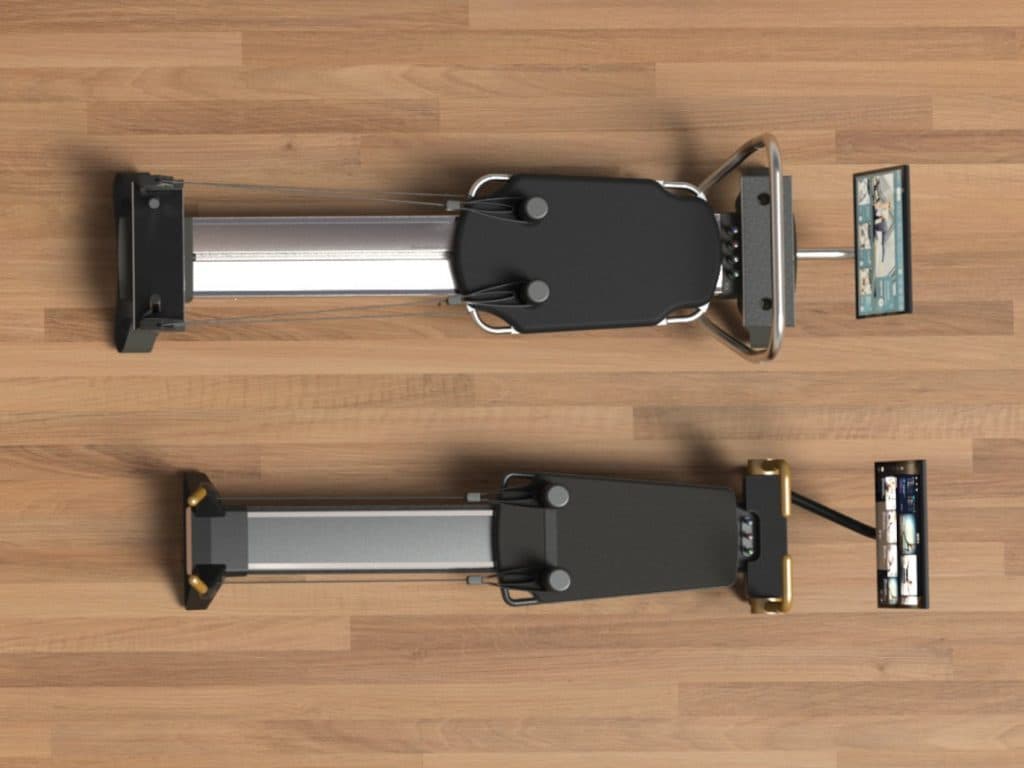
Equipment
Introducing the NordicTrack Ultra 1 Reformer Series
Meet the NordicTrack Ultra Reformer Series, featuring the Ultra 1 Reform RX-S and Ultra 1 Reformer—two connected Pilates reformers designed to bring studio-quality training into your home.
Nov 14, 2025 · 8 min read
READ MORE
Equipment
Why Commercial Gyms Are Adding Pilates Reformers (And What It Means for Your Facility)
Boutique Pilates members spend $200 to $260 a month, compared to $30 to $50 at a high-volume gym. See why Crunch and 24 Hour Fitness are adding reformers to capture that revenue.
Aug 21, 2026 · 8 min read
READ MORE