
Home Pilates 101: How to Choose the Right Reformer for Your Space
Not all reformers are built the same. This guide walks through measuring your space, picking resistance and adjustability, checking frame and carriage quality, and matching a budget to your Pilates goals.
May 19, 2026
·
8 min read
IN THIS ARTICLE
KEY TAKEAWAYS
- Measure your space before you shop. Plan for at least 10 feet long by 4 feet wide to use a reformer comfortably at home.
- Resistance systems vary significantly. Push-button resistance on connected reformers like the Ultra 1 Reform RX-S keeps your training flow intact in a way traditional spring systems cannot.
- Frame material, carriage smoothness, and weight capacity are the most reliable indicators of long-term reformer quality.
- Knowing how to choose a reformer means matching features to your goals. Beginners, advanced practitioners, and multi-user households each need different things from a machine.
- Budget tiers are clearly defined. Entry-level machines under $1,000 involve trade-offs. Connected, studio-grade reformers at $4,000 and above replace ongoing studio costs with a one-time investment.
You want the studio experience at home: no commute, flexible schedule, and a machine you’ll actually use. Buying a reformer is a practical decision, not just a purchase. Machines vary in size, technology, and durability. The goal of this guide is simple: help you pick a reformer that fits your room, your body, and the specific way you plan to train.If you want a real-world take on owning a home reformer, read this honest look at ownership first.
Why Space Is the First Thing to Figure Out
Measure your room before you shop. Typical full-size home reformers are often about 90–100 inches long and 24–28 inches wide. That’s the machine’s footprint, not the space you’ll need to exercise comfortably.
Practical planning: Allow extra clearance. A useful guideline is about 10 feet long by 4 feet wide to give room to get on and off and to move through common exercises.
Consider ceiling height: If you plan standing or elevated moves, make sure overhead clearance is sufficient; around 8 feet is usually comfortable for many users.
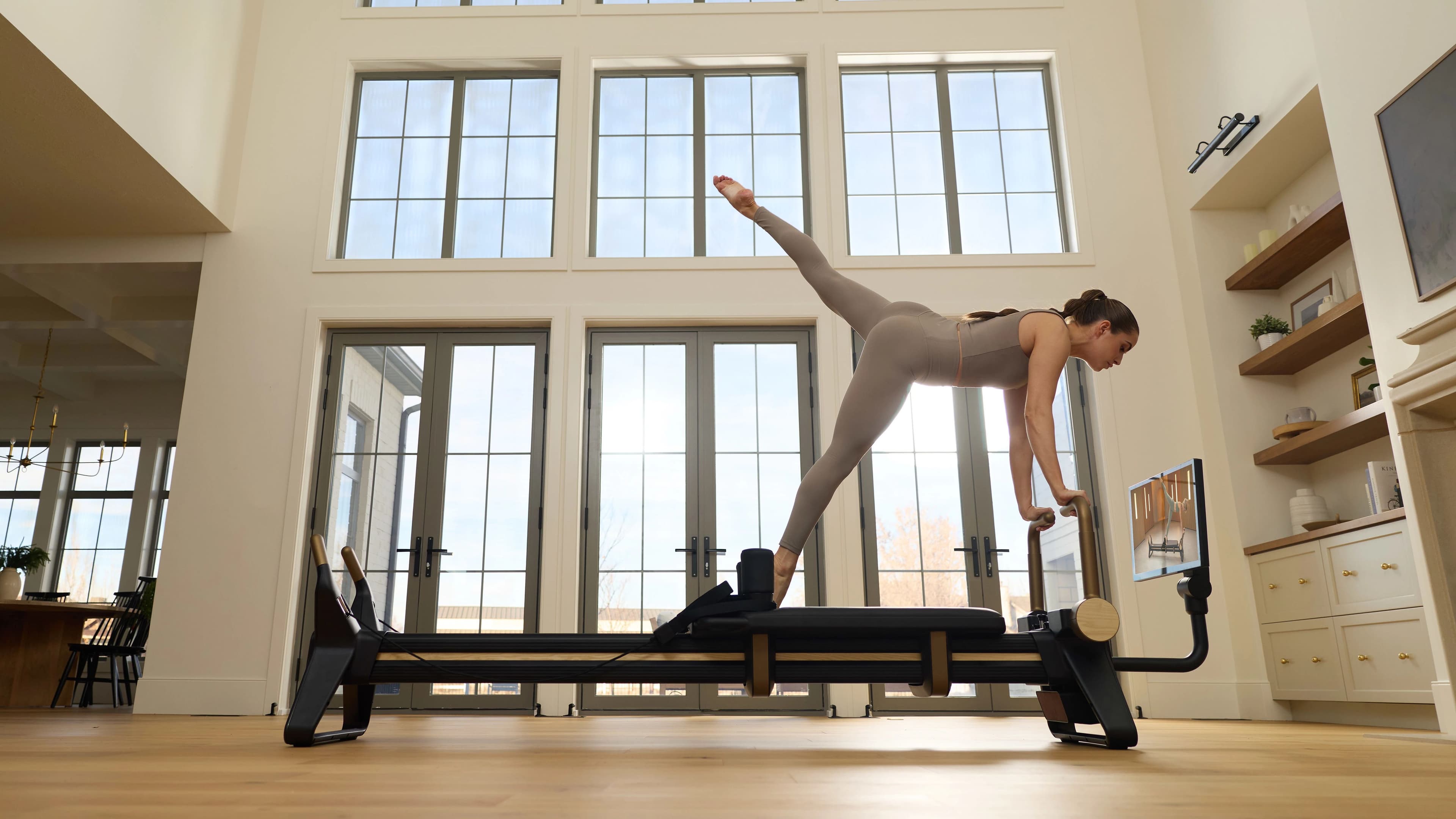
Aesthetic Integration: In shared living spaces, a sleek, professional-grade reformer like the Ultra 1 acts as a piece of high-end functional furniture, removing the need for "folding and hiding" equipment that often feels less stable.
Tape out the footprint on your floor before you buy. Seeing the space in place removes guesswork.
Understanding Resistance: From Traditional Springs to Smart Tech
Resistance is how the reformer challenges you. While most home machines use standard spring-based systems, the industry is moving toward more seamless, integrated solutions.
Springs and combinations: Traditional systems use 4–6 springs. A wider range of tensions gives you more options as your strength progresses.
The "Flow State" Factor: Manual spring changes require you to stop and lean over, breaking your concentration. Premium models like the Ultra 1 Reform RX-S use push-button resistance, allowing you to change intensity instantly without losing your rhythm.
Smart Spine™ Accuracy: Unlike basic springs, the Smart Spine™ tracks your movement with unprecedented accuracy, delivering real-time feedback on your power and velocity.
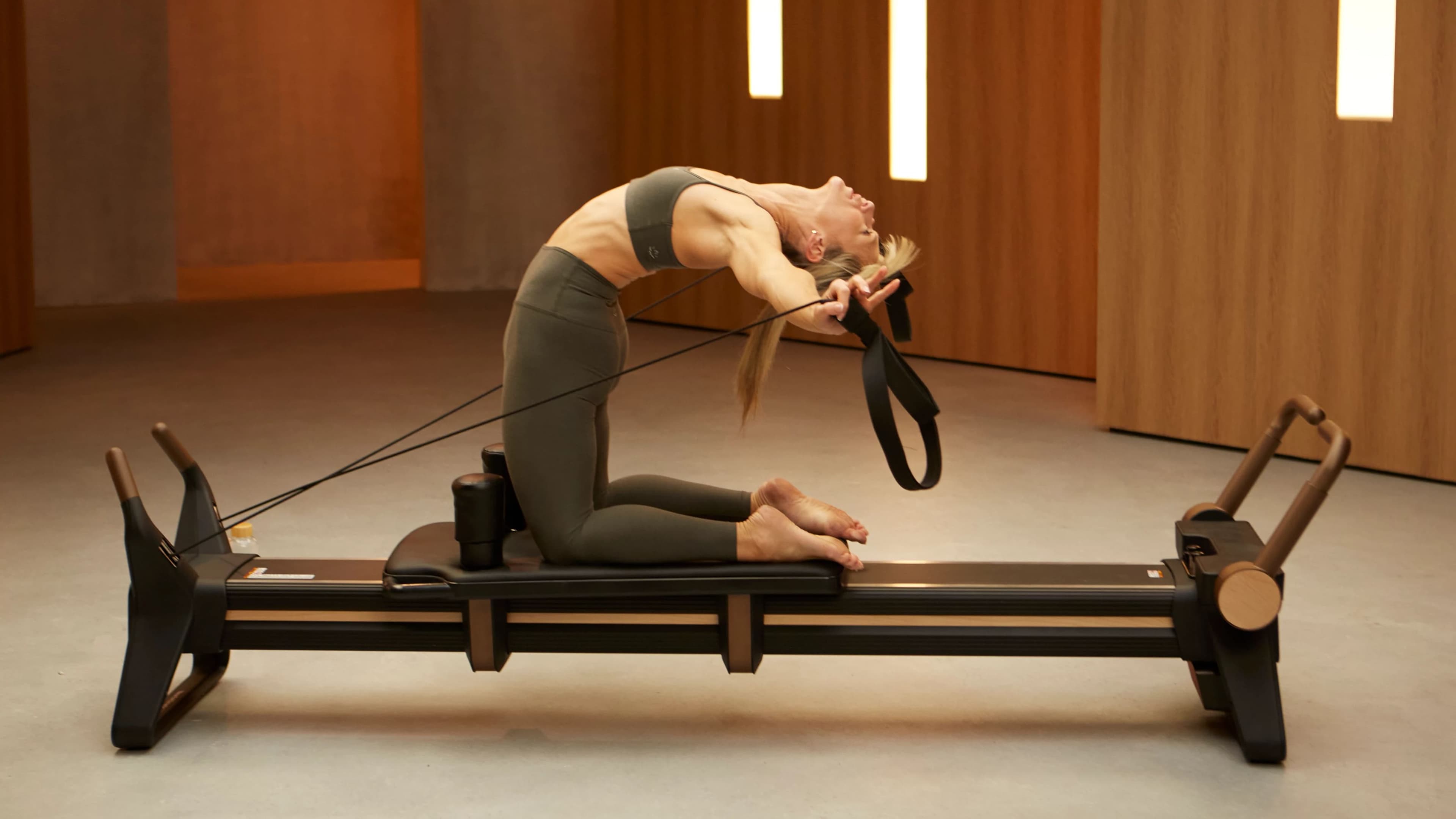
Footbar Adjustability: Multiple footbar positions (like the 7-position continuous footbar found on the Ultra series) allow different body sizes to work comfortably.
If you’re curious how connected features are influencing at‑home reformer training, see how Pilates is entering a new era here.

Frame Durability and Weight Capacity: What Actually Matters
Treat a reformer like an investment. Construction affects longevity and how "smooth" the workout feels.
Frame material: Aluminum and steel are usually more resistant to warping than wood and provide a more modern, studio-style aesthetic.
Weight capacity: Check the manufacturer’s stated capacity. High-end machines often support higher user weights (up to 300 lbs on the Ultra series) because of their reinforced engineering.
Carriage quality: The sliding carriage should move silently. Rough or noisy rails often indicate lower-quality components that will wear down over time.
Padding: Look for firm, supportive padding that won’t compress quickly, ensuring comfort during long sessions.
For more on NordicTrack’s approach to build and design, see the Ultra Reformer Series overview.
Assembly and Storage: What to Expect Before You Buy
Don’t skip this section. Assembly and storage affect whether you actually use the machine.
Assembly
Most home reformers require some assembly. The scope ranges from a few parts to more involved builds.
Before buying, check: estimated assembly time, whether tools are included, and whether the brand provides clear manuals or setup videos.
If you don’t want to assemble it yourself, look for delivery options that include professional setup.
Models like the Ultra 1 Reformer from NordicTrack come pre-assembled out of the box.
Storage and portability
Foldable or upright‑storage designs save floor space.
Consider weight and whether one person can move the machine. Wheels for repositioning help.
Check whether the machine stands stably when folded.
Maintenance
Reformers generally require periodic upkeep: inspect springs, keep rails and wheels clean, and replace padding or worn parts as needed. Ask the manufacturer about parts availability and recommended maintenance schedules.
Budget Tiers: What You Get at Each Level
Entry-level (under ~$1,000): Basic functionality with trade-offs in materials and carriage smoothness. These are often manual and may feel "rattly" during high-intensity moves.
Mid-range (~$1,000–$3,000): A common spot for enthusiasts. You’ll see better spring variety and more durable frames, though technology and coaching are usually missing.
Ultra-Premium & Connected ($4,000+): This is the "Private Studio" tier. Machines like the Ultra 1 include high-definition tilting touchscreens, iFIT Pro integration, and professional-grade resistance systems that justify the investment by replacing a lifetime of studio fees.
What to Prioritize at Any Price
Weight capacity that covers intended users
Smooth, stable carriage movement
Enough spring variety to progress
Clear assembly guidance and accessible customer support
For a side‑by‑side look at two NordicTrack models across price and features, see the Ultra series as part of the Pilates Community.
How to Match a Reformer to Your Goals
Match features to how you plan to use the machine.
New to Pilates: Choose a reformer with clear adjustments and a manageable learning curve. Mid-range models with good instructional resources often make the most sense. If you’re exploring options, mat Pilates is a lower-barrier way to build core strength first.
Established practice: Prioritize carriage smoothness, spring range, and rail length. These features support advanced exercises and progression.
Struggling with consistency: Pick a machine that feels inviting. A 24" tilting touchscreen and world-class trainers make it much easier to "show up" every day.
Training for strength or mobility: Heavier spring resistance helps with strength-focused work. Longer rails and good adjustability support mobility-focused routines.
Multiple users: Choose a machine with quick, simple adjustments and a higher weight capacity to fit everyone.
For how reformer practice supports long-term fitness planning, see Pilates Fitness Goals for Longevity.
Your Next Step: Setting Up Your Home Pilates Space
You now have the framework to make an informed choice: measure your space, match resistance and adjustability to your goals, verify build quality, and plan for assembly and storage.
If you’re ready to explore specific models, check the NordicTrack Ultra Reformer Series. For help planning a full home setup, see our guide to Pilates at home.
Choosing the right reformer doesn’t make Pilates easy. Progress takes work. But the right machine reduces friction, fits your space, and helps you stick with the practice. That’s what matters.
FREQUENTLY ASKED QUESTIONS
Disclaimer: The primary purpose of this blog post is to inform and entertain. Nothing on the post constitutes or is intended to be a substitute for professional medical advice, prevention, diagnosis, or treatment. Reliance on any information provided on the blog is solely at your own risk. Always seek the advice of your physician or other qualified health provider with any questions you may have regarding a medical condition, and please consult your doctor or other health care provider before making any changes to your diet, sleep methods, daily activity, or fitness routine. Do not disregard professional medical advice or delay seeking it because of information available on this blog. NordicTrack assumes no responsibility for any personal injury or damage sustained by any recommendations, opinions, or advice given in this article. Always follow the safety precautions included in the owner’s manual of your fitness equipment.
RECENT ARTICLES
Fitness | Equipment
Mat vs Reformer Pilates: Which Is Right for You?
Not sure whether to start with mat Pilates or invest in a reformer? This clear guide compares cost, space, results, and the learning curve so you can choose the format that fits your goals and budget.
May 14, 2026 · 7 min read
READ MORE
Equipment
Pilates Is Entering a New Era: How Connected Reformer Pilates Is Shaping the Future of Movement
Discover how connected reformer Pilates is evolving the method with smart resistance, guided progression, and studio-quality experiences at home.
Jan 30, 2026 · 7 min read
READ MORE.jpg&w=3840&q=75)
Equipment
Ultra 1 Reformer vs RX-S for Pilates Community
Compare the Ultra 1 Reformer vs RX-S to find the configuration that supports your connected Pilates community experience, resistance preferences, and training environment.
Feb 18, 2026 · 6 min read
READ MORE