
Mat vs Reformer Pilates: Which Is Right for You?
Not sure whether to start with mat Pilates or invest in a reformer? This clear guide compares cost, space, results, and the learning curve so you can choose the format that fits your goals and budget.
May 14, 2026
·
7 min read
IN THIS ARTICLE
KEY TAKEAWAYS
- Mat Pilates is the lowest-barrier way to start: no machine required, minimal cost, and effective for building core strength and body awareness.
- Reformer Pilates adds adjustable spring resistance and a broader exercise range for progression and support.
- Choose based on budget, available space, consistency, and whether you’ve tried reformer training before.
- Studio reformer classes cost more per session than mat classes; a home reformer can offset class costs over time if used regularly.
- Combining both formats — a mat routine at home plus occasional reformer sessions — is a practical way to explore what fits you.
You’re ready to start Pilates, but you’re stuck on the practical question: do you stick with the mat or bring a reformer into your home? While mat Pilates offers an accessible entry point, a reformer provides a different layer of versatility and mechanical assistance that can evolve with you. Both formats support physical progress; the choice depends on how you want to interact with your workout.
At NordicTrack, we’ve spent 50 years helping everyday athletes build lasting habits. This guide provides a balanced comparison so you can decide which format aligns with your current fitness goals.
What's The Difference Between Mat and Reformer Pilates?
Both formats are built on the same core principles: controlled movement, breath, and core engagement. While the system utilizes approximately 50 simple, repetitive exercises to create muscular exertion1, the primary distinction lies in the delivery of resistance.
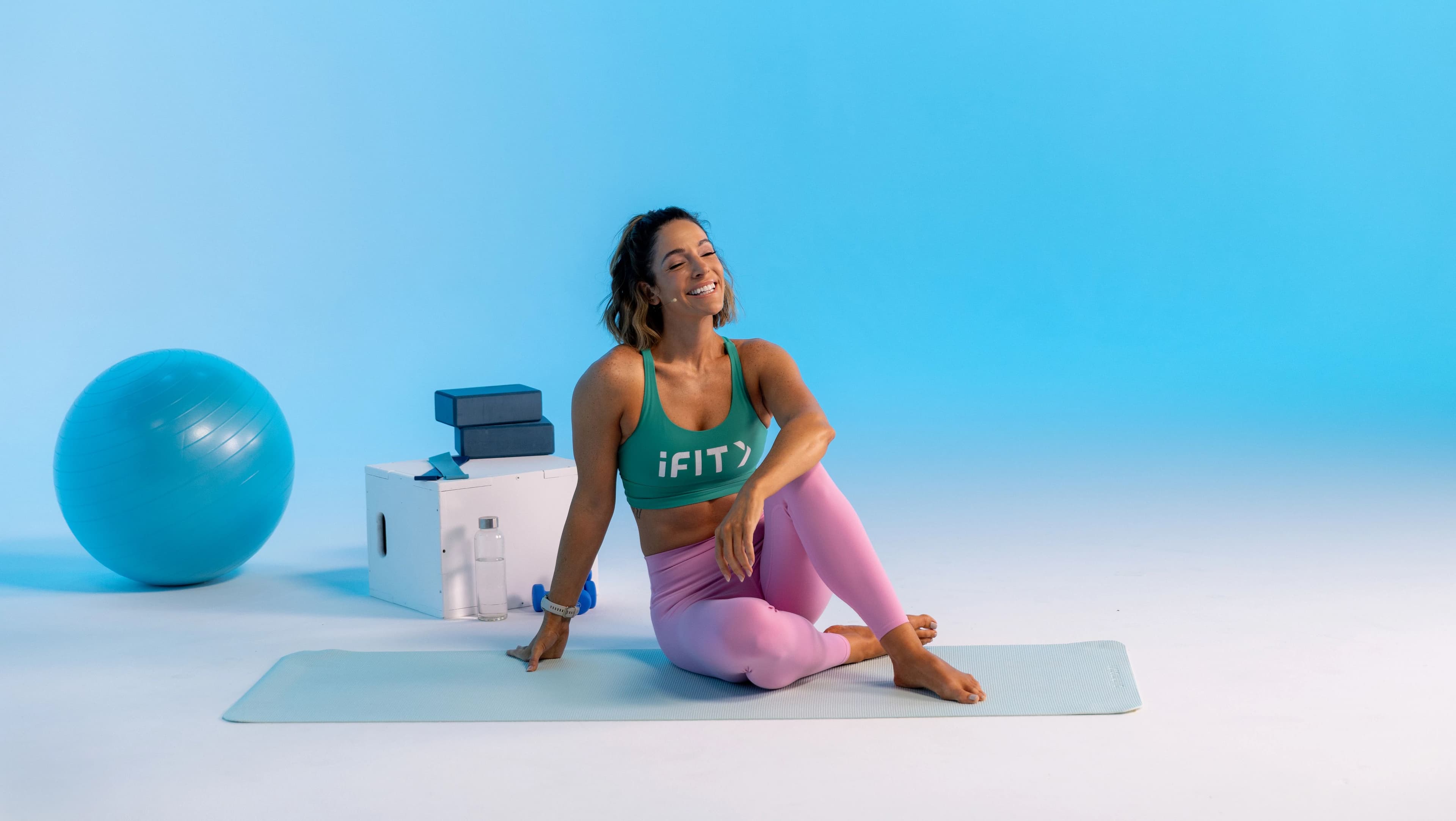
Mat Pilates: Participants typically perform exercises in a seated, supine, or prone position, using gravity as the primary force to help stabilize the core1. It emphasizes fundamental stability and mobility with minimal equipment, making it a great option for travel.
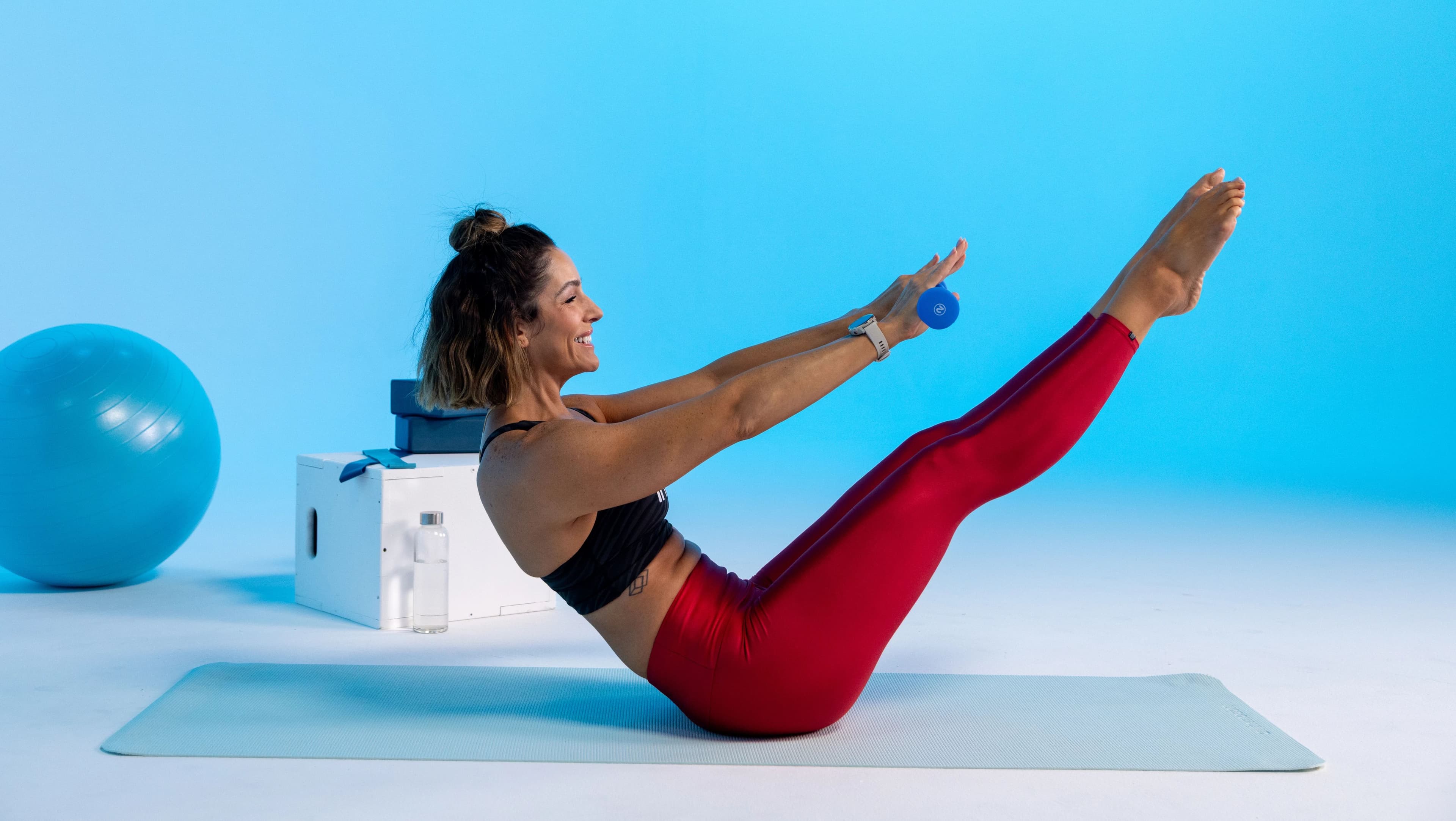
Reformer Pilates: Utilizes a specialized machine featuring a sliding horizontal carriage within a stable frame1. This mechanical setup introduces external resistance and assistance through a system of springs and pulleys1, allowing you to scale the load of every movement.
What Results Can You Expect From Each Format?
Consistency is the primary driver of results in any Pilates practice. Both formats are designed to increase muscle strength and endurance, as well as flexibility, posture, and balance1.
Mat Pilates focuses on internal control and bodyweight as the main resistance1. Without external support, your body relies heavily on stabilizer muscles, specifically the transversus abdominis, gluteal, and paraspinal muscles, to maintain form throughout the series1.
Reformer Pilates uses spring-based resistance to provide a dynamic load. Because the reformer can provide adjustable assistance early in a movement, it can help support controlled movement patterns while users build strength, stability, and confidence.
For the home user, this same mechanical assistance helps bridge the gap between learning a new movement and mastering it with precision.
Reformer Pilates for Beginners: What to Know Before You Start
A common misconception is that reformers are only for experts. In reality, the machine’s design can be particularly helpful for beginners. The pulley system and carriage provide tactile feedback, helping you feel where your body is in space which is a key part of learning proper Pilates form.
Practical Pointers for Getting Started:
Focus on Getting the Movement Right: The reformer is a precision tool. Focus on controlled, smooth movements rather than speed.
Leverage Adjustable Settings: Use the spring tension and footbar adjustment to customize the machine to your current mobility and strength level.
Start with Guided Instruction: Whether through studio classes or an integrated home workout platform, professional guidance helps you master the machine’s settings safely.
Mat vs Reformer Pilates: Feature Comparison
Feature | Mat Pilates | Reformer Pilates |
Resistance Source | Gravity and bodyweight are the primary loads1. | Spring-Integrated: Variable resistance provided via springs and pulleys1. |
Support & Feedback | Stable, floor-based surface utilizing gravity for core stabilization1. | Kinesthetic Feedback: Moving carriage and straps help guide alignment and support limbs1. |
Progression Method | Increasing reps or altering lever lengths (e.g., longer limb levers) | Variable Tension: Progress by incrementally adjusting spring weight to match strength level1. |
Range of Motion | Focused on floor-based movements and core stabilization. | Expanded Plane of Motion: The elevated frame and cables allow for seated, standing, and pulling movements. |
Exercise Setup | Minimal setup; utilizes standard Pilates floor sequences. | Adjustable Configuration: Features like the footbar and headrest can be customized to the user’s height. |
Impact Level | Generally low-impact; includes weight-bearing on joints. | Controlled Impact: The carriage supports body weight, which may change the load distribution on joints. |
User Experience | Emphasizes internal body awareness and portability. | Enhanced Precision: Designed for those who prefer mechanical assistance to isolate specific muscle groups. |
Investing in Your Practice: The Logistics of Cost
Mat Pilates is the most cost-effective way to start. However, if you find yourself paying for regular studio reformer classes, the math changes.
While a home reformer is a larger upfront investment, it provides the convenience of a studio-quality workout without the recurring class fees, commute, or possibility of waitlisted classes. High-quality home models now offer the same engineering found in professional studios, often with the added benefit of integrated digital coaching to keep you motivated.
A home reformer is worth considering when these things line up:
You’ve tried reformer Pilates and enjoy it.
You plan to practice consistently.
You have the space for the machine.
You prefer the convenience of home workouts or want to reduce regular studio costs.
When Does it Make Sense to Choose a Home Reformer?
It may be the right time for you to bring home a reformer if:
You Value Variety: You want access to hundreds of exercises that aren't possible on a mat.
You Seek Support: You find that the mechanical feedback of a machine helps you maintain better form.
Consistency is Your Goal: Having a dedicated space in your home removes the friction of "setting up" and makes your Pilates workout a dedicated ritual.
Find the Format That Fits Your Life
In short:
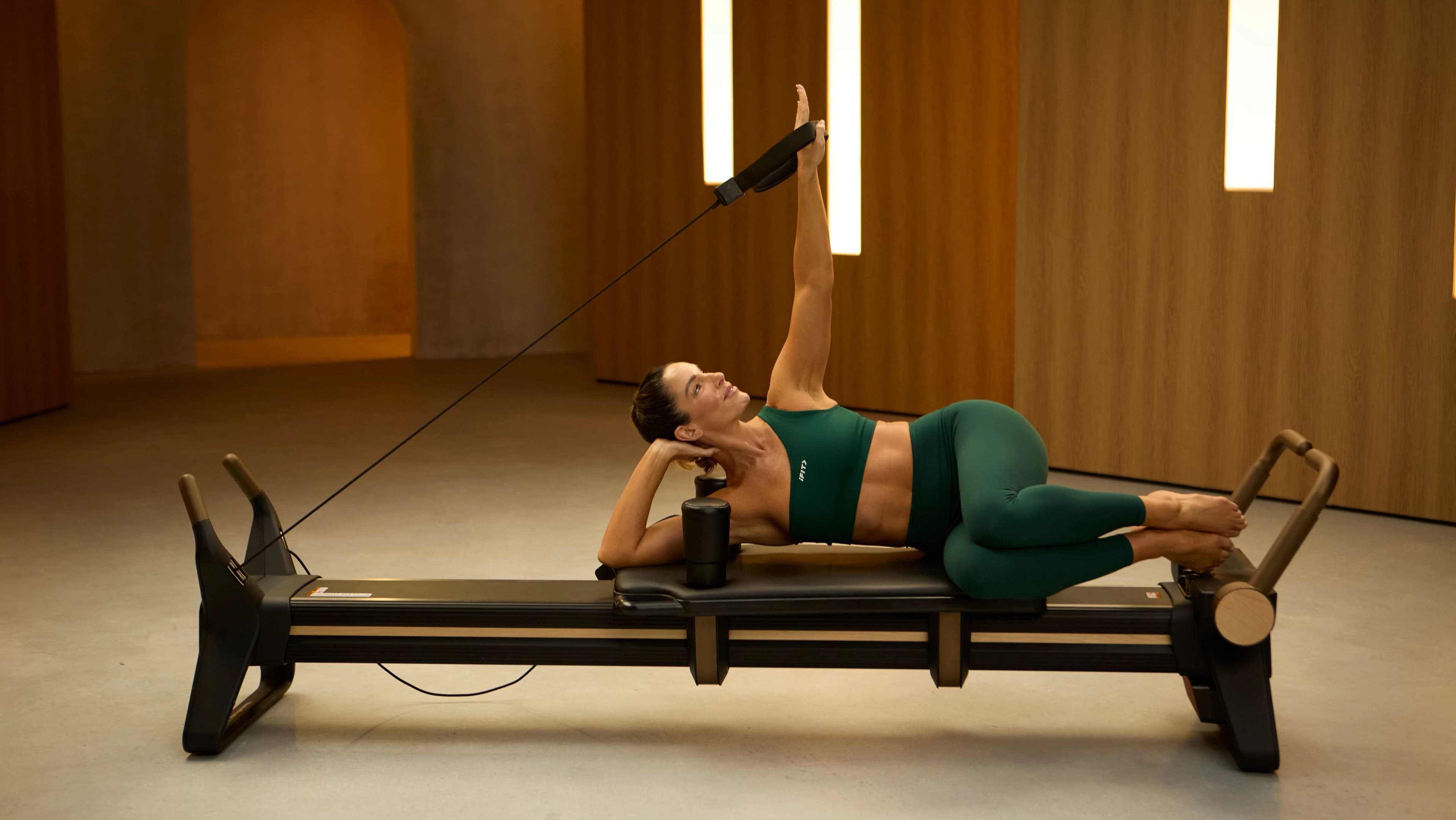
Choose Mat Pilates if you want the simplest, lowest-cost way to start. You can build a strong foundation at home with guided programs like Jeni DelPozo’s Pilates Tone & Power Series or Pearl Fu’s Pilates Strength for Longevity Series.
Consider a Home Reformer when you want a dedicated station that offers both mechanical support and clear paths for both modification and progression.
The most important step is choosing the tool that you will actually use. Whether on a mat or a carriage, progress happens through consistent movement.
FREQUENTLY ASKED QUESTIONS
References
Muscle, Ligaments, and Tendons Journal. Pilates: how does it work and who needs it?
Disclaimer: The primary purpose of this blog post is to inform and entertain. Nothing on the post constitutes or is intended to be a substitute for professional medical advice, prevention, diagnosis, or treatment. Reliance on any information provided on the blog is solely at your own risk. Always seek the advice of your physician or other qualified health provider with any questions you may have regarding a medical condition, and please consult your doctor or other health care provider before making any changes to your diet, sleep methods, daily activity, or fitness routine. Do not disregard professional medical advice or delay seeking it because of information available on this blog. NordicTrack assumes no responsibility for any personal injury or damage sustained by any recommendations, opinions, or advice given in this article. Always follow the safety precautions included in the owner’s manual of your fitness equipment.
RECENT ARTICLES
Fitness
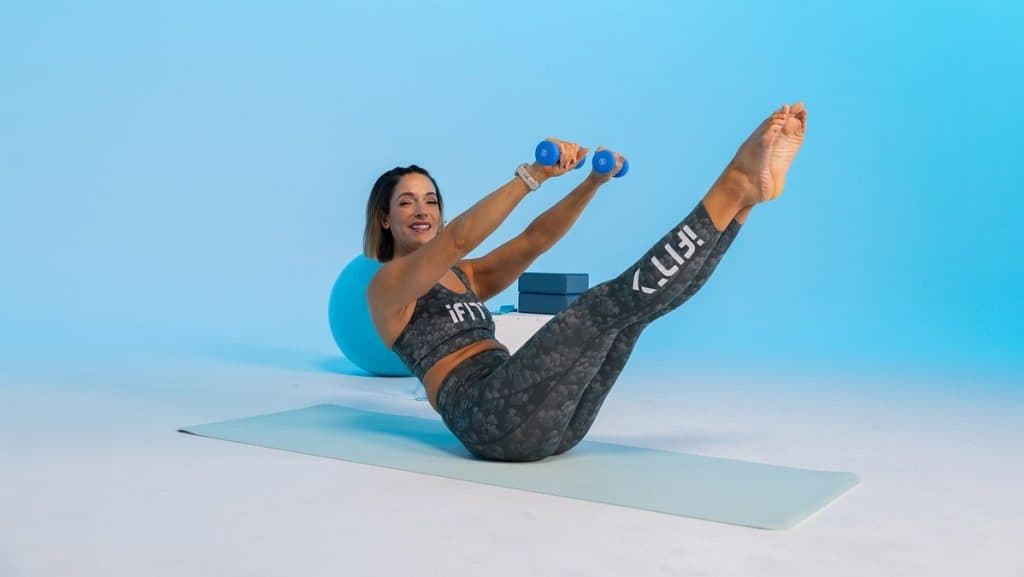
Mat Pilates: The Beginner-Friendly Way to Build Core Strength
Mat Pilates builds real core strength using only your body weight and breath. Learn why this low-impact method is the ideal starting point for beginners today.
Nov 13, 2025 · 7 min read
READ MORE
Fitness | Workouts
How to Practice Pilates At Home and Get a Great Workout In
Updated 12/2/2025
Aug 21, 2023 · 13 min read
READ MORE.jpg&w=3840&q=75)
Equipment
Ultra 1 Reformer vs RX-S for Pilates Community
Compare the Ultra 1 Reformer vs RX-S to find the configuration that supports your connected Pilates community experience, resistance preferences, and training environment.
Feb 18, 2026 · 6 min read
READ MORE