
Is a Decline Treadmill Worth It? Who Actually Benefits From -3% Training?
A decline treadmill adds downhill training to your workouts, improving terrain simulation and variety. Learn who benefits most and how to use decline safely.
Mar 19, 2026
·
7 min read
.jpg&w=3840&q=75)
IN THIS ARTICLE
KEY TAKEAWAYS
- A decline treadmill simulates downhill running, adding variety beyond traditional incline workouts
- Decline treadmill training improves balance, coordination, and eccentric muscle control
- Runners and race-focused athletes benefit most from downhill simulation training
- Combining incline and decline creates more realistic terrain-based treadmill workouts
Gradual progression is key to using decline training safely and effectively
When most people think about treadmill training, they think about incline workouts. Incline training is widely known for adding intensity to treadmill workouts. But decline training is another feature that can add value to treadmill workouts, especially for runners and athletes who want training that better reflects real outdoor terrain.
A decline treadmill allows the running surface to angle downward below flat grade, simulating downhill terrain. This type of training introduces different movement patterns than flat or uphill workouts and can add variety to indoor cardio routines.
So is a decline treadmill worth it? The answer depends on your goals. For runners training for varied terrain, athletes preparing for race courses, or users looking for more dynamic treadmill workouts, decline training can be a useful addition to traditional incline workouts.
What Is a Decline Treadmill?
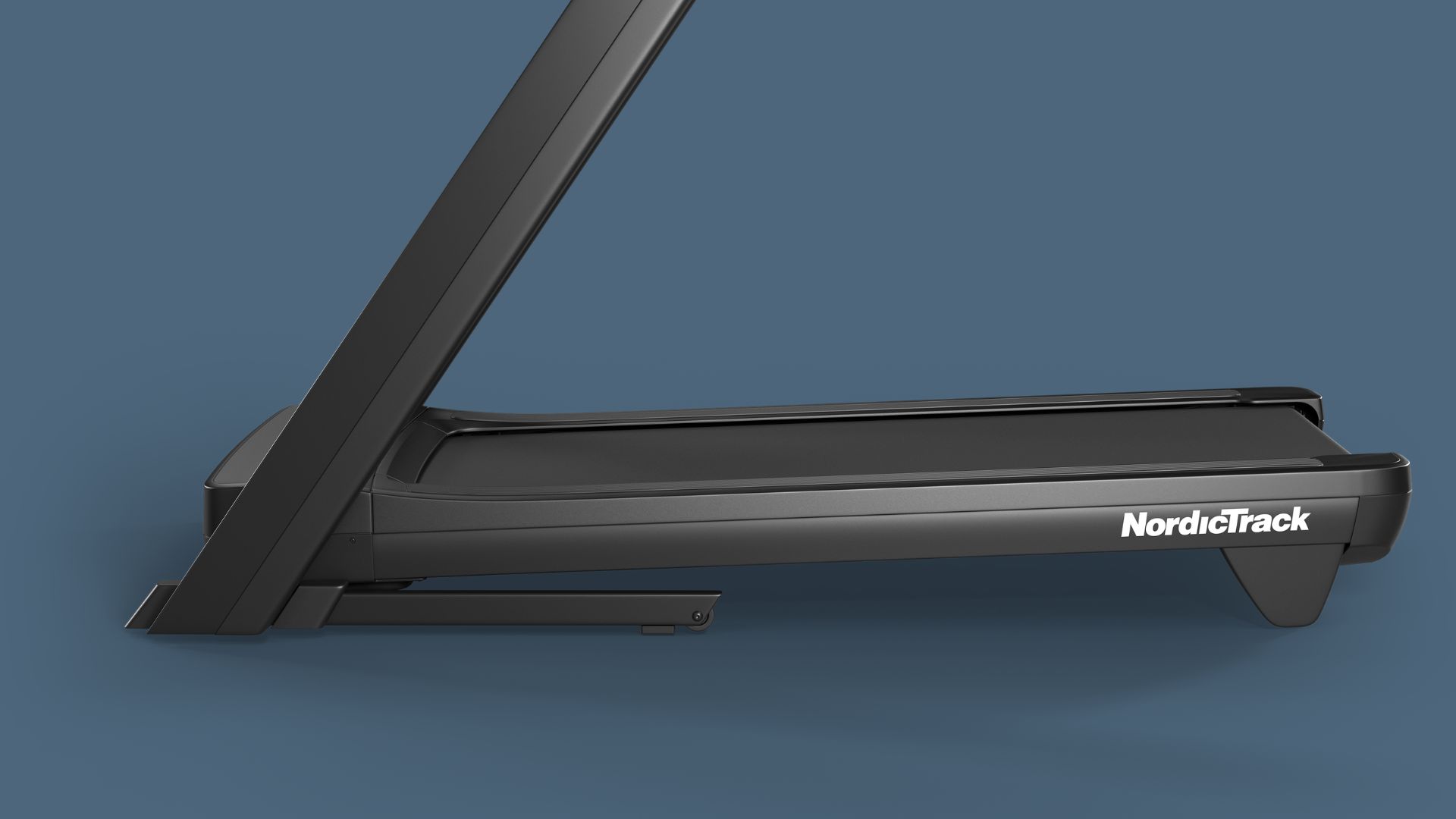
A decline treadmill is a treadmill that allows the deck to angle downward below a flat position. Instead of only increasing elevation for uphill workouts, decline functionality simulates downhill walking or running.
This feature allows treadmill users to train with both ascending and descending terrain, which better reflects real outdoor running environments where elevation changes are common.
On many NordicTrack treadmills, the decline range reaches -3%, allowing users to practice downhill segments while maintaining controlled treadmill conditions.
What Does Decline Do During a Treadmill Workout?
Changing treadmill grade affects how your body moves and how muscles work during a workout. While incline training focuses on pushing against gravity, decline training emphasizes controlled descent and balance.
Different Movement Patterns
Downhill movement places the body in an eccentric phase of motion, where muscles lengthen as they control the body’s descent. According to iFIT trainer Ashley Paulson, downhill walking uses muscles differently than uphill walking and can create soreness because many people are not used to training with eccentric movements.¹
Balance and Stability
Decline walking can challenge balance and stability as the body adjusts to downward terrain. Paulson explains that downhill walking engages stabilizer muscles and can improve proprioception, which helps the body sense position and movement.¹
Core Engagement
Maintaining balance while moving downhill also requires the core to stabilize the spine and pelvis during each step.¹
These movement changes are one reason downhill terrain can feel different from flat or uphill treadmill workouts.
Benefits of Decline Treadmill Training
Decline training is not meant to replace incline workouts. Instead, it complements them by introducing terrain variation and different movement demands.
Improves Downhill Training Preparation
Outdoor runners frequently encounter downhill segments during training runs or race courses. Practicing downhill movement indoors can help runners become more comfortable controlling their pace and stride when terrain changes.
A decline treadmill provides a controlled environment to practice these conditions.
Adds Variety to Treadmill Workouts
One advantage of treadmill training is the ability to change speed and incline to support different workout goals. Structured routines like these are often included in best treadmill workouts to support calorie burn. Harvard Health notes that treadmills allow users to program individualized workouts and vary intensity to create more dynamic sessions.²
Adding decline segments introduces terrain variation that can help treadmill workouts feel less repetitive.
Simulates Outdoor Terrain
Outdoor routes rarely stay flat for long. Hills typically include both climbs and descents.
A treadmill that includes both incline and decline capability allows users to simulate rolling terrain rather than repeating the same flat workout each session.
Who Actually Benefits From Decline Training?
Decline training is not essential for every treadmill user. However, several types of athletes may benefit more than others.
Outdoor Runners
Runners who train outdoors often encounter elevation changes during their runs. Practicing downhill movement on a treadmill can help simulate these terrain shifts during indoor training.
Athletes Preparing for Race Courses
Many race courses include downhill sections that require controlled pacing and stride adjustments. Decline treadmill workouts can help athletes practice running with these terrain changes before race day.
Users Who Want More Varied Cardio Workouts
Some users simply want more variety in their treadmill workouts. Alternating incline, flat, and decline segments can create a more dynamic indoor training experience.
Decline vs Incline Training
Incline and decline training serve different purposes during treadmill workouts.
Incline Training Benefits
Incline walking or running adds resistance because the body is moving upward against gravity. For a deeper look at how incline changes treadmill intensity, see what incline to walk on a treadmill to lose weight. Harvard Health notes that walking uphill can help strengthen lower-body muscles such as the quadriceps, hamstrings, and calves.³
Incline training is often used to increase workout intensity and build muscular endurance.
Decline Training Benefits
Decline training introduces controlled downhill movement, which emphasizes balance, coordination, and eccentric muscle control.¹
Rather than increasing effort in the same way incline does, decline adds a different type of movement challenge.
For many runners, the most effective treadmill workouts combine both incline and decline to simulate natural terrain variation.
How NordicTrack Treadmills Simulate Real Terrain
Some NordicTrack treadmills include both incline and decline capability, allowing users to simulate terrain changes more closely than treadmills that only offer incline.
For example:
NordicTrack X24 – up to 40% incline and -6% decline
NordicTrack Commercial 2450 – up to 12% incline and -3% decline
Combining incline and decline allows users to create workouts that feel closer to real outdoor routes.
Many NordicTrack treadmills also integrate with iFIT trainer-led workouts, where trainers guide users through terrain-inspired sessions designed to vary speed and elevation throughout the workout.
Note: iFIT subscription sold separately. Features vary by membership tier.
How to Use Decline Safely in Your Workouts
Decline training can be useful, but it should be introduced gradually.
Trainer Ashley Paulson recommends starting with a small decline and incorporating it into only a portion of your workout before increasing exposure.¹
Start With a Small Decline
Begin with a mild decline such as 2–3%, which allows your body to adjust to the different movement pattern.
Focus on Form
Maintaining proper posture and balance helps reduce unnecessary strain. Paulson advises allowing the body to lean slightly forward rather than leaning back excessively, which can increase impact on the knees.¹
Introduce Decline Gradually
Instead of completing an entire workout on a downhill setting, start by adding decline segments to roughly 10 percent of your session and increase gradually over time.¹
How to Add Decline Training to Your Treadmill Workout
Step 1: Begin with a mild decline setting.
Step 2: Maintain a controlled stride and balanced posture.
Step 3: Combine decline segments with flat running or walking intervals.
Step 4: Alternate incline and decline segments to simulate rolling terrain.
Step 5: Gradually increase terrain variety as you become more comfortable.
Is a Decline Treadmill Worth It?
A decline treadmill is not necessary for every treadmill user. However, it can be valuable for runners, athletes training for varied terrain, and users who want more dynamic treadmill workouts.
By allowing both uphill and downhill simulation, decline capability helps replicate the elevation changes commonly experienced during outdoor runs. For users who want their indoor training to reflect real-world terrain, this feature can make treadmill workouts more versatile and engaging.
FREQUENTLY ASKED QUESTIONS
References
Katie Couric Media. The Benefits of Walking Uphill and Downhill.
Harvard Health Publishing. Get smart about treadmills.
Harvard Health Publishing. Step up your walking workouts.
Disclaimer: The primary purpose of this blog post is to inform and entertain. Nothing on the post constitutes or is intended to be a substitute for professional medical advice, prevention, diagnosis, or treatment. Reliance on any information provided on the blog is solely at your own risk. Always seek the advice of your physician or other qualified health provider with any questions you may have regarding a medical condition, and please consult your doctor or other health care provider before making any changes to your diet, sleep methods, daily activity, or fitness routine. Do not disregard professional medical advice or delay seeking it because of information available on this blog. NordicTrack assumes no responsibility for any personal injury or damage sustained by any recommendations, opinions, or advice given in this article. Always follow the safety precautions included in the owner’s manual of your fitness equipment.
RECENT ARTICLES
Equipment | Fitness
What Is Incline Training? Benefits, Science, and How to Start
Incline training burns more calories, recruits more muscle, and can be easier on your joints than flat cardio. Here is what the research actually shows and how to get started.
Oct 21, 2025 · 11 min read
READ MORE
Fitness | Workouts
Why Training on an Incline Works Better Than Flat Walking
Incline walking ramps up calorie burn, boosts glute and hamstring activation, and raises cardiovascular demand without the impact of running. Learn safe form, beginner workouts, and treadmill selection tips.
Jul 15, 2025 · 13 min read
READ MORE
iFIT App | Fitness
What an iFIT Coach Can Do That a Traditional Personal Trainer Session Often Can’t
Discover how an iFIT membership combines expert coaching, adaptive technology, and progressive training programs to guide workouts beyond traditional personal trainer sessions.
Mar 13, 2026 · 10 min read
READ MORE