
Best Compact Exercise Bike for Small Spaces and Apartments
Not sure which compact indoor cycling bike actually fits your apartment? This guide covers footprint, noise, resistance type, and how NordicTrack's connected bikes are built for small spaces.
Jul 23, 2026
·
14 min read
IN THIS ARTICLE
KEY TAKEAWAYS
- Most upright compact exercise bikes need a 4 by 8 foot floor zone including side clearances — measure your space before buying.
Magnetic resistance is the quietest resistance type available and handles the majority of apartment noise concerns; a high-density equipment mat addresses vibration transfer.
Stationary and recumbent bikes have lower impact forces than treadmills, making them a practical low-impact option for apartment cardio. [2]
The NordicTrack S24 Studio Bike suits connected, immersive training; the 10 Recumbent Bike suits comfortable, low-impact riding with optional iFIT integration.
Adults who go from sedentary to any consistent aerobic exercise see the biggest initial health gains — a compact bike removes the barriers that prevent consistent training. [6]
If your apartment has about as much square footage as a parking spot, the right indoor cycling bike makes all the difference. This guide cuts straight to the practical questions: how much floor space do you actually need, how quiet is quiet enough for shared walls, and which features matter when your storage closet is already at capacity.
The short answer: a magnetic resistance indoor cycling bike with a footprint under 24 inches wide and 50 inches long will fit in most studio apartments or spare bedrooms. The NordicTrack S24 Studio Bike and 10 Recumbent Bike are the two NordicTrack options built around this kind of apartment-first use case, and they each solve for it differently.
Here is how to figure out which type fits your space, your building, and your goals.
Quick Fit-Check: Will This Compact Exercise Bike Fit Your Apartment?
Before anything else, measure. Take a tape measure and collect three numbers: the floor area where the bike will live (length by width), the doorway width the bike needs to pass through during delivery or if you move it, and the ceiling height in that spot if you plan to stand while riding.
Most upright indoor cycling bikes need a floor area of roughly 20 to 24 inches wide and 40 to 48 inches long when in use. Recumbent bikes run longer front to back, often 55 to 65 inches, but stay low and can tuck under shelves. Add at least 24 inches of clearance on each side for safe dismounting, and 24 inches behind the bike. That means a 4 feet by 8 feet floor zone covers most upright bikes comfortably.
Three quick yes or no checks:
Does your floor area with clearance equal at least 4 by 8 feet? A yes here means almost every upright compact bike fits.
Are all doorways the bike must pass through at least 30 inches wide? A yes means most bikes can be maneuvered in during delivery.
Is the bike going into a room with carpet? If yes, place a 3 to 4 foot equipment mat underneath to stabilize the frame and protect the floor.
If you answered yes to all three, you can move forward with confidence. If any answer is no, note the constraint before shopping and filter for models with folding frames or recumbent geometry.
Two Types of Compact Indoor Cycling Bikes Worth Considering
Not all compact bikes solve the same problem. Understanding the two main categories helps narrow down the right choice faster.
Upright Indoor Cycling Bikes
Upright bikes mimic the posture of riding a traditional bicycle. The rider sits over the pedals, hips forward, which engages the core and lower body together. These bikes typically have the smallest floor footprint of any indoor cycling option, and many fold vertically for closet storage. The tradeoff is that the saddle position requires some fitting, and riders with lower back or hip mobility concerns may find the posture challenging over longer sessions.
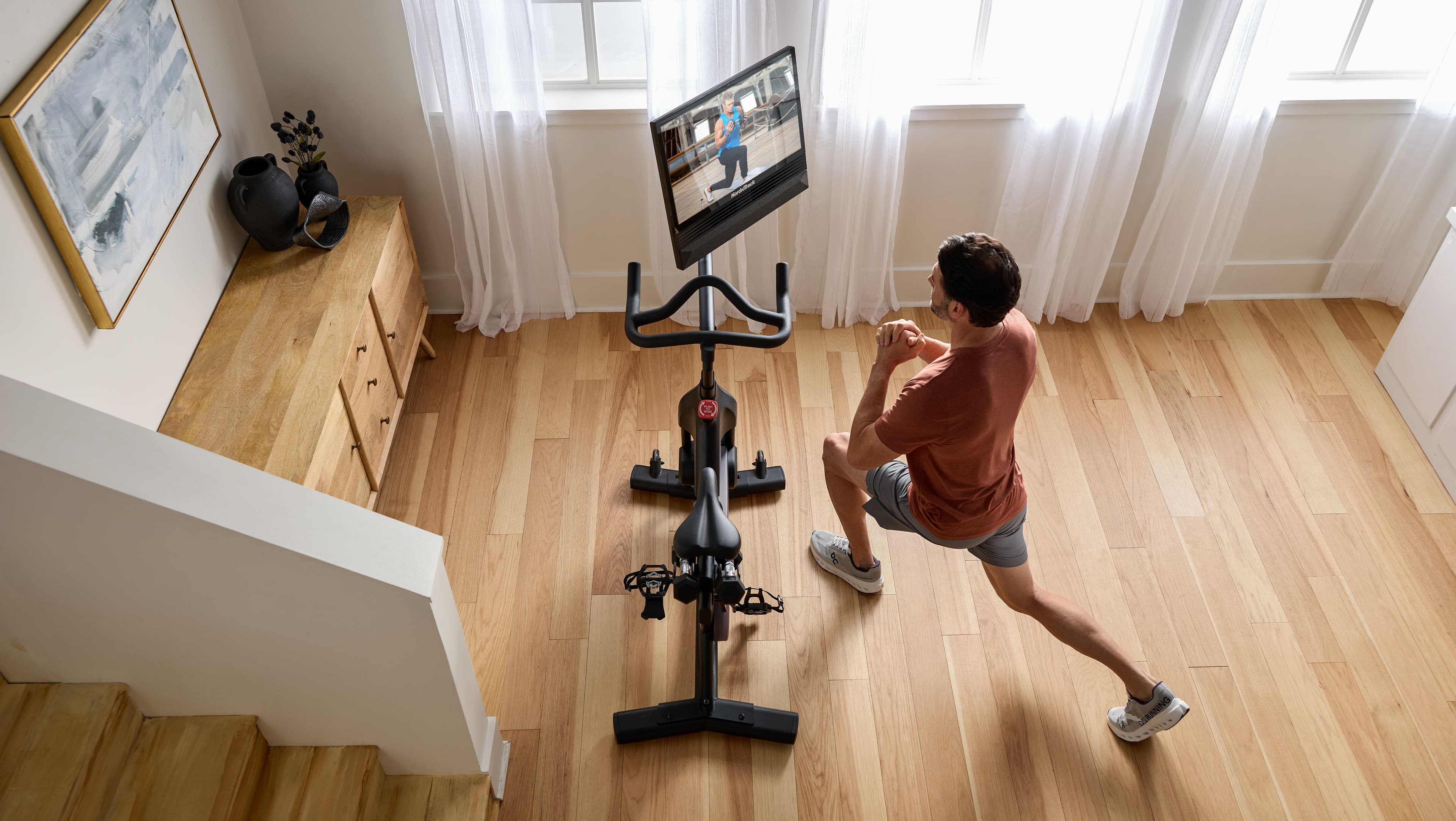
The NordicTrack S24 Studio Bike is an upright bike built around the connected fitness experience. It pairs a 24-inch HD touchscreen with iFIT integration, giving riders access to 10,000+ iFIT workouts and guided rides led by trainers around the world. The magnetic resistance system runs quieter than friction-based alternatives, which matters a great deal in apartments with shared walls or thin floors.
Recumbent Bikes
Recumbent bikes position the rider in a reclined seat with the pedals out in front. This eliminates the over-the-saddle posture and distributes weight across the back and seat rather than concentrating it on the hips. For riders managing joint discomfort, recovering from injury, or simply preferring a more relaxed position, the recumbent design is a practical choice.
Mayo Clinic recommends activities such as stationary or recumbent bicycling as low-impact exercise options for people with arthritis in their hips, knees, or ankles. [1] Research from the American Council on Exercise similarly notes that recumbent bikes and upright bikes have lower impact forces on the body than treadmills, making them better suited for riders with lower-body orthopedic considerations. [2]
The NordicTrack 10 Recumbent Bike is designed for this kind of comfortable, sustained effort. The low step-through frame makes it easy to get on and off, the cushioned seat supports longer rides, and the silent magnetic resistance keeps noise to a minimum. Like the S24, it pairs with iFIT for guided workouts and scenic rides.
At-a-Glance Comparison: Features That Matter for Apartment Buyers
When reviewing any compact indoor cycling bike for apartment use, focus on these five spec areas before price.
Footprint (In-Use)
This is the floor area the bike occupies while someone is actively riding it. Upright studio bikes typically range from 20 to 24 inches wide and 44 to 50 inches long. Recumbent bikes run 22 to 26 inches wide and 55 to 68 inches long.
Resistance Type
Magnetic resistance is the standard for quiet operation. Friction resistance (where a felt pad contacts the flywheel) creates more noise and wears down over time. For apartment living, magnetic or belt-drive magnetic resistance is the right call.
Flywheel Weight
Heavier flywheels (18 to 30 pounds) produce a smoother, more consistent pedal stroke and tend to vibrate less at moderate speeds. Lighter flywheels are cheaper but can produce a choppy feel and more vibration transfer to the floor.
Transport Wheels
Any bike you plan to move regularly should have front transport wheels built in. Moving a 90- to 140-pound machine without them is a two-person job and risks floor damage.
Screen Size and Mount
If you choose a connected bike with an integrated touchscreen, note how much space the screen adds to the vertical clearance requirement. A 24-inch screen mounted on a pivot arm needs ceiling clearance only if you ride standing, but it does extend the visual footprint.
Noise, Vibration, and Building Etiquette: What Apartment Riders Need to Know
Noise is the question most apartment shoppers ask about and the one manufacturers answer least clearly. Here is what actually matters.
Magnetic resistance indoor cycling bikes generate operational noise at normal cadence that is generally well below a normal conversation. For practical context, a well-maintained magnetic resistance bike running at moderate effort is quieter than most kitchen appliances.
The bigger variable is vibration, not sound. A belt-drive or magnetic resistance bike in a modern steel-frame apartment building will transfer very little vibration to the floor. Older buildings with thinner concrete construction or wood-subfloor units may transmit more. The single most effective upgrade for apartment cycling is a high-density equipment mat placed under the bike. A quality mat absorbs vibration before it enters the floor and adds stability on hardwood or tile surfaces.
Additional practices that help:
Ride in moderate resistance rather than grinding on maximum settings, which generates more vibration
Maintain even cadence rather than sudden surges and stops
Avoid riding during building quiet hours if your flooring is thin
If a neighbor has ever mentioned hearing you do other exercises, a mat is non-negotiable. If you have never had a complaint, a mat is still worthwhile for protecting the floor and extending the life of the bike frame.
Small-Space Features That Separate Good from Great
Several features separate apartment-appropriate bikes from models that simply happen to have a small footprint.
Integrated Cable Management
Bikes with built-in cable routing for charging and tablet power cords avoid trailing cables that become trip hazards in tight spaces.
Folding Mechanisms (Upright Bikes)
Some upright bikes fold the handlebars down toward the seat, reducing the length when not in use. Better designs fold vertically so the bike stands on its rear stabilizers, cutting the floor footprint significantly. If storage is the main priority, look for a vertical fold rather than a horizontal one.
Water Bottle and Accessory Storage
Small apartment setups have no room for a side table. Bikes with integrated bottle holders, tablet mounts, and small accessory shelves reduce the number of secondary surfaces you need around the workout zone.
Adjustable Seat and Handlebar Positioning
Bodies differ, and apartments rarely allow for a separate adjustment stand. A bike that can be dialed in precisely from the riding position reduces the time and frustration of setup, and a good fit means fewer aches that might cut sessions short.
Connected vs. Simple: Is iFIT Worth It for Apartment Riders?
The connected fitness question is worth answering honestly because it affects both the cost of the bike and the ongoing membership.
For apartment riders who train solo, lack external accountability, or want their sessions to feel like something more than pedaling in a corner, iFIT delivers genuine value. The platform pairs NordicTrack bikes with trainer-led workouts, scenic global rides, and structured programs that adjust the bike's resistance automatically to match the session. Riders who have tried to stay consistent with a basic bike and a YouTube playlist know the difference.
The U.S. Department of Health and Human Services recommends adults get at least 150 to 300 minutes of moderate-intensity aerobic activity per week for substantial health benefits. [3] The challenge for apartment riders is maintaining the consistency to hit that target. An iFIT-connected bike removes the friction of planning workouts and removes the boredom of undirected pedaling.
On the NordicTrack S24 Studio Bike, the 24-inch touchscreen makes the experience immersive enough that riders often forget they are in an apartment. Trainer-led rides take you through national parks, mountain passes, and city circuits. Resistance changes automatically as the terrain changes on screen. The result is a more structured, more varied workout without any additional planning effort.
For riders who simply want a reliable machine for steady-state cardio with no subscription overhead, the 10 Recumbent Bike pairs with iFIT optionally. Use it for comfortable, independent sessions or activate the membership for guided content when you want it. That flexibility suits the buyer who prefers not to commit to ongoing content costs.
The aerobic benefits are the same either way. Endurance exercise, which includes biking, keeps the heart, lungs, and circulatory system healthy and can reduce the risk of diseases such as diabetes, heart disease, and stroke. [4] What iFIT changes is the quality and consistency of the training experience, not the underlying physiology of cycling.
If you are a new apartment cyclist deciding whether to start connected, the honest answer is this: most riders who try guided workouts do not go back to riding without them.
The Arches National Park Bike Series on iFIT
If you want to see what a connected indoor cycling experience actually looks like, the Arches National Park Bike Series on iFIT is a good starting point. Led by trainers Hannah Eden and Paulo Barreto, the series takes riders through the red rock terrain of Utah's Arches National Park with automatic resistance adjustments that match the actual terrain grade. It is the kind of session that makes a 30-minute apartment workout feel like something far larger than your floor plan.
For a different type of challenge, Ashley Paulson's Washington National Parks Power and Incline Cycling Series pairs power intervals with scenic Pacific Northwest terrain. Both series are available now on iFIT and pair with any NordicTrack bike.
Why a Compact Exercise Bike Belongs in Your Apartment Fitness Plan
The health case for indoor cycling at home is straightforward. Endurance exercise such as biking reduces the risk of many diseases including diabetes, heart disease, and stroke. [4] Research confirms that indoor cycling may improve aerobic capacity, blood pressure, lipid profile, and body composition. [5]
The apartment-specific case is about consistency over intensity. The biggest barrier for most apartment fitness buyers is not motivation on day one. It is showing up on day 47. A bike that is quiet enough to ride at 6:30 a.m. without waking a partner, small enough to fit without rearranging the living room, and interesting enough to keep sessions from feeling like a chore is what actually produces a long-term habit.
Research from the American Heart Association suggests that even modest increases in activity produce meaningful health gains. Going from being sedentary to completing even a fraction of the recommended 150 weekly minutes of moderate exercise is when health outcomes improve most noticeably. [6]
A compact indoor cycling bike does not require a gym membership, a drive across town, or a dedicated workout room. It requires a 4 by 8 foot floor space and the decision to show up.
NordicTrack and iFIT are built around this together. The hardware gives you the physical resistance, the ergonomics, and the silence. iFIT gives you the instruction, the variety, and the structure that turns a machine in the corner into a training system with real direction. Neither half is complete without the other.
Buyer's Checklist: Choosing the Best Compact Exercise Bike for Your Apartment
Use this to cross-check any bike you are considering before buying.
Must-Check Specs
In-use footprint: under 24 inches wide, under 50 inches long for upright bikes
Resistance type: magnetic or belt-drive magnetic only for apartment use
Transport wheels: required for solo mobility
Noise level: look for magnetic resistance, not friction
Room-Size Guidance
Studio or 10 by 10 room: an upright bike with transport wheels and a folding frame works best
One-bedroom or 10 by 12 or larger: both upright and recumbent bikes fit comfortably
Top-floor unit with thin flooring: prioritize a heavy-gauge mat to reduce vibration transfer
Questions to Answer Before Buying
Do I want guided workouts (iFIT) or independent sessions?
Do I prefer an upright riding position or a reclined recumbent seat?
Am I managing any joint sensitivity that makes low-impact positioning a priority?
If guided workouts and premium connected features are the priority: the S24 Studio Bike is the right direction.
If comfortable, low-impact riding with optional connectivity is the priority: the 10 Recumbent Bike is the right direction.
Explore More
FREQUENTLY ASKED QUESTIONS
References
Mayo Clinic. Exercise Helps Ease Arthritis Pain and Stiffness
American Council on Exercise. ACE-Sponsored Research: A Comparison of Energy Expenditure When Exercising on 10 Indoor Exercise Machines
U.S. Department of Health and Human Services. Top 10 Things to Know About the Second Edition of the Physical Activity Guidelines for Americans
American Heart Association. Endurance Exercise (Aerobic)
Chavarrias M, Carlos-Vivas J, Collado-Mateo D, Pérez-Gómez J. Health Benefits of Indoor Cycling: A Systematic Review
American Heart Association. For the Best Health, Does the Intensity of Your Workout Matter?
Disclaimer: The primary purpose of this blog post is to inform and entertain. Nothing on the post constitutes or is intended to be a substitute for professional medical advice, prevention, diagnosis, or treatment. Reliance on any information provided on the blog is solely at your own risk. Always seek the advice of your physician or other qualified health provider with any questions you may have regarding a medical condition, and please consult your doctor or other health care provider before making any changes to your diet, sleep methods, daily activity, or fitness routine. Do not disregard professional medical advice or delay seeking it because of information available on this blog. NordicTrack assumes no responsibility for any personal injury or damage sustained by any recommendations, opinions, or advice given in this article. Always follow the safety precautions included in the owner's manual of your fitness equipment.
RECENT ARTICLES
Equipment | Fitness
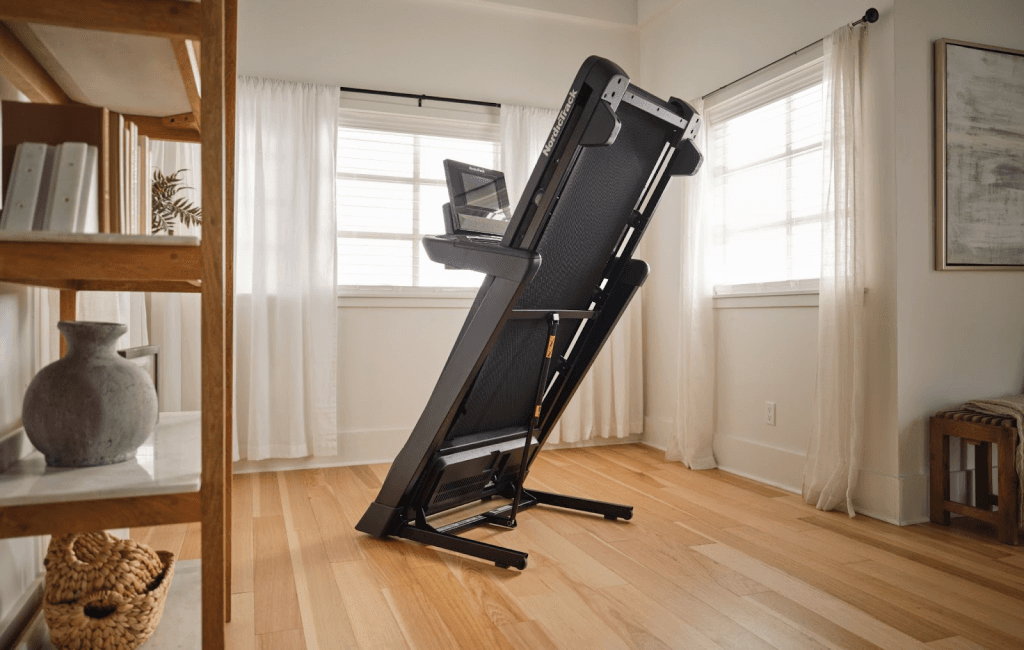
Compact Home Gym Setup: Smart Gear Picks for Small Spaces
Build a compact home gym that fits any corner of your home. Learn which foldable treadmills, compact cardio machines, adjustable dumbbells, and recovery tools keep your training consistent and efficient.
Sep 2, 2025 · 13 min read
READ MORE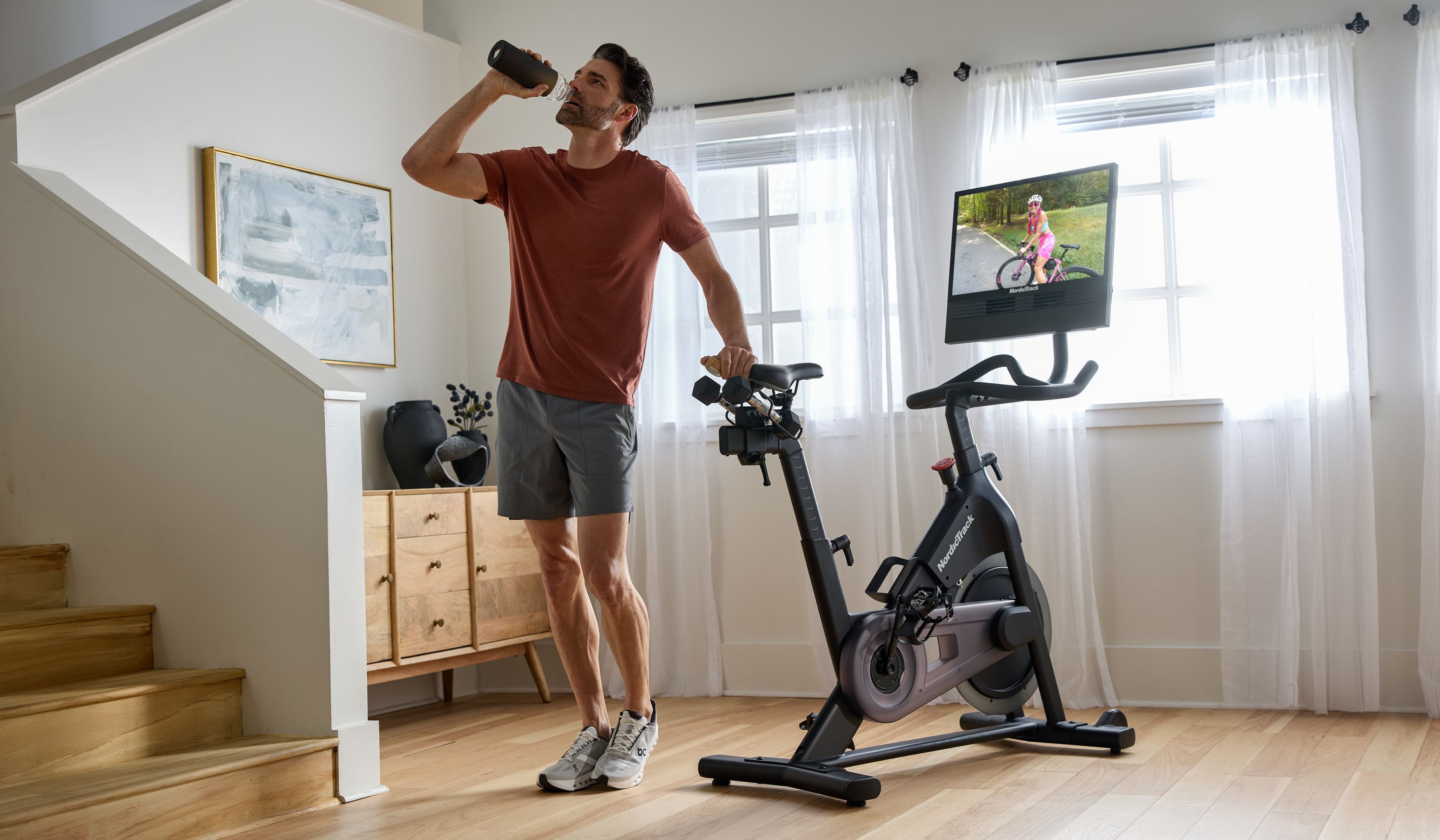
Equipment
Indoor Cycling Bike vs. Upright Bike vs. Recumbent: What's Actually the Difference?
Not sure which exercise bike is right for you? Compare indoor cycling bikes, upright bikes, and recumbent bikes across comfort, training style, and space to find the best fit for home.
Jul 16, 2026 · 8 min read
READ MORE
Equipment | Fitness
Exercise Bike vs. Rowing Machine: How to Decide Which One is Right For You
Mar 25, 2024 · 16 min read
READ MORE