
The Beginner's Guide To The Whole30 Diet
Looking to transition to the Whole30® diet? Here are four steps to guide you in the right direction of preparing for your new lifestyle.
Oct 21, 2019
·
4 min read
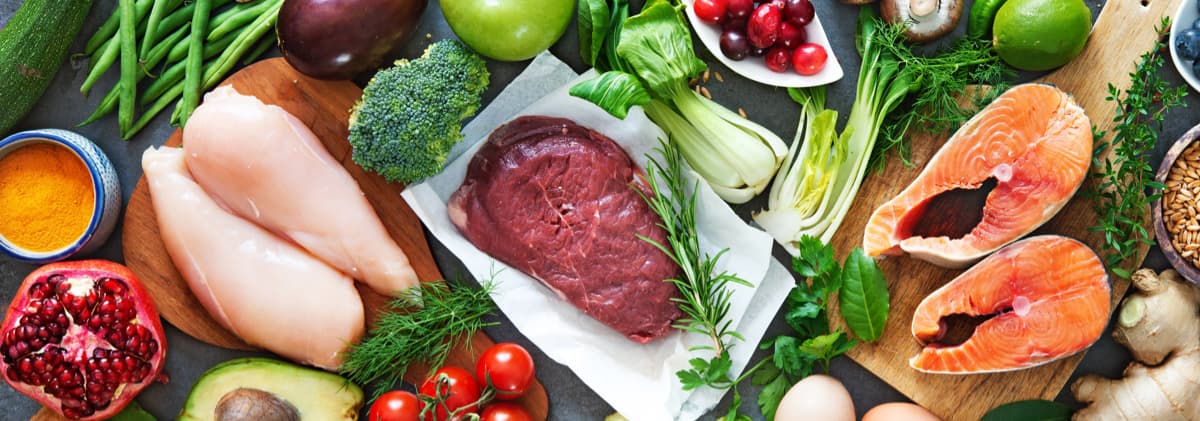
The general ideology behind the Whole30® diet is this: eliminate foods that are common triggers leading to poor bowel health, upset stomachs, skin irritations, mood imbalances, headaches, etc. Then slowly reintegrate foods after 30 days to see how the body responds.
The Benefits To Whole30® Dieting
People who’ve tried this form of elimination dieting have listed a wide variety of health benefits. They include:
- A better understanding of personal dietary needs.
- Increased and prolonged daily energy levels.
- Improved health conditions like fewer headaches, stomach cramps, less constipation, etc.
- Healthy and more-regular bowel movements.
- Clearer skin with fewer breakouts and irritations.
- Less junk food cravings and more self-control.
What you CAN eat | What you CAN’T eat |
Vegetables (most) | Dairy |
Veggies (even potatoes) | Milk |
Leafy Greens | Yogurt |
Peppers | Cheese |
Squash | Grains (Sprouted or Not sprouted) |
Avocados | Corn, Rice, Wheat, Quinoa, Rye |
Fruits (all) | Millet, Sorghum, Amaranth, Buckwheat, Bulgur |
...in moderation | Alcohol/Smoking |
Unprocessed Meats | Cooking or Drinking |
Beef | Vanilla Extract |
Chicken | Some Kombucha restrictions |
Pork | Legumes |
Eggs | Beans, Soy, Tofu, Chickpeas |
Seafood | Lentils, Peas, Peanuts |
Fish | Added Sugar |
Shellfish | Sugar (Cane, confectioners, granulated, brown, etc) |
Nuts and Seeds | Honey, Maple Syrup, Agave |
Almonds, Cashews, Walnuts | Splenda, Xylitol, Stevia |
Sunflower, Pumpkin, Pine Nuts, Poppy | Processed Foods |
Oils | Carrageenan, MSG, Sulfites |
Olive Oil | |
Coconut Oil | |
Ghee | |
Coffee |
Getting Started With The Whole30® Diet
Preparation makes all the difference.
Miguel De Cervantes, Spanish Novelist
-----
Alexander Graham Bell, Scientist, Inventor, Engineer
----
Juma Ikangaa, NYC Marathon Winner 1989
Here are four steps to guide you in the right direction of preparing for your new lifestyle with the Whole30® diet:
1. Clean out the pantry by tossing (or donating) any foods that are against the rules.
When hunger strikes, will-power weakens. Even an M&M under the fridge becomes a viable option when cravings hit.
2. Gather Whole30®-compliant recipes so you have an arsenal of ideas when it comes time to eat.
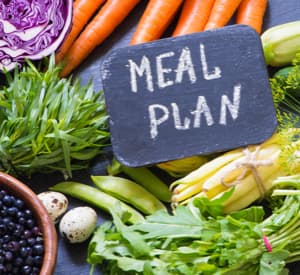
Keep a list visible with ideas for breakfast, lunch, dinner, and snacks handy so you aren’t left scratching your head and staring into the open refrigerator.
3. Stock the fridge with ingredients you need to make your Whole30® recipes.
This requires planning and regular grocery shopping. Tools like Walmart®’s Click List are a lifesaver. You can build a detailed shopping list of necessary foods and ingredients to make your recipes without having to walk grocery isles riddled with temptation.
4. Always make enough food for leftovers.
This will prevent food frustration time and time again.
Find Support To Help You Stay On Course
Support comes in many forms. Friends and family members can partner with you to achieve similar goals. Coworkers can rally to hold you accountable when you’re away from home. Personal trainers and dietitians can offer helpful advice and experience-gained tips for making this dietary transition easier. Technology like the iFit® app can offer simple tools for tracking your food intake and journaling reactions to different foods as you reintroduce things to your diet after 30 days.
Find the support you need and try out a few new options along the way to make any new diet or health goal more successful. Once you go with the Whole30® diet, you may never go back!