
What Heart Rate Zone Should You Really Be Training In?
Learn how heart rate zones impact fat burning, endurance, and performance. Discover why Zone 2 training has become a foundation for smarter, more sustainable workouts.
Jan 2, 2026
·
9 min read
IN THIS ARTICLE
KEY TAKEAWAYS
- Heart rate zones help personalize workout intensity based on your goals.
- Zone 2 (60–70% MHR) supports aerobic development and fat utilization.
- Higher zones build speed, power, and cardiovascular capacity.
- Heart rate recovery is a key indicator of cardiovascular fitness.
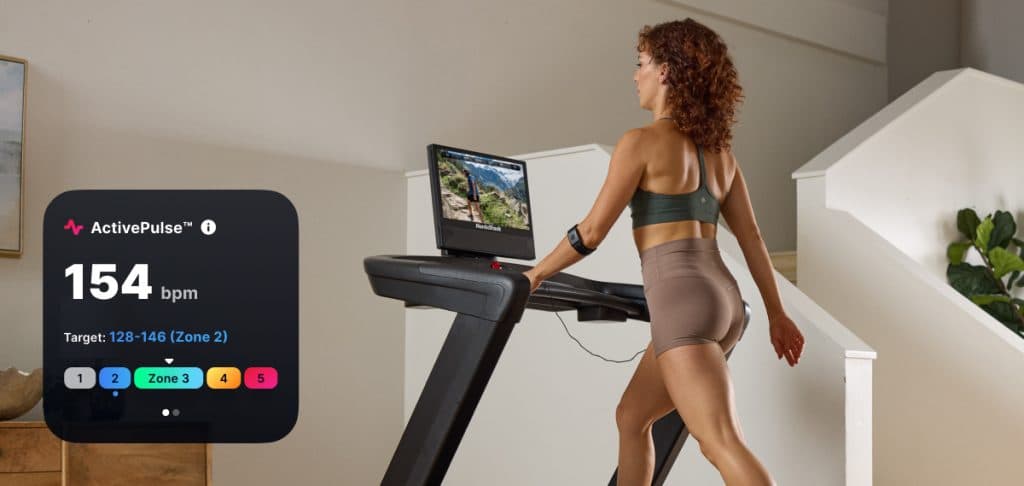
- Connected tools like iFIT and ActivePulse™ can help maintain target zones automatically.
Training smarter isn’t just about time or miles logged, it’s about intensity. One of the most reliable ways to measure that intensity is through heart rate zones. These zones represent ranges of beats per minute that correspond to different levels of effort. Understanding which zone you’re in can help you tailor workouts for fat burning, endurance, or peak performance.
For many fitness enthusiasts, Zone 2 training has become a sweet spot. It balances challenge and sustainability, making it ideal for long-term progress. Whether your goal is to improve cardiovascular health, manage weight, or build endurance, knowing your heart rate zones will help you get there more efficiently.
What Are Heart Rate Zones?
Heart rate zones are based on percentages of your maximum heart rate (MHR). The traditional formula is 220 – age, though more advanced methods like the Karvonen or Tanaka formulas incorporate resting heart rate for greater accuracy⁴.
There are generally five training zones, each linked to intensity and primary fuel source:
Zone 1 (50–60% MHR): Very light effort, recovery-focused. Body uses fat as the main fuel¹.
Zone 2 (60–70% MHR): Aerobic base, primarily fat oxidation, sustainable for longer periods¹⁴.
Zone 3 (70–80% MHR): Moderate to vigorous, a blend of fat and carbohydrate usage¹.
Zone 4 (80–90% MHR): High intensity, carbohydrate-dominant, challenging to sustain long¹.
Zone 5 (90–100% MHR): Max effort, short bursts only, taxing on cardiovascular and muscular systems¹.
Your heart rate zone tells you how hard your body is working and what type of energy it’s using to fuel your workout¹.
Why Heart Rate Zones Matter for Training
When you match workouts to zones, you:
Train at the right intensity for your specific goals⁴.
Build aerobic capacity and cardiovascular strength².
Improve your ability to burn fat efficiently³.
Reduce risk of overtraining by balancing hard days with recovery.
This alignment of effort to outcome makes training more personalized and sustainable, exactly what health experts recommend for long-term results².
Spotlight on Zone 2 Training
Zone 2 training has surged in popularity because of its balance between effort and recovery. At 60–70% of your max heart rate, your body relies primarily on fat as fuel⁴. This zone is challenging enough to strengthen your heart and lungs but gentle enough to sustain for 30–60 minutes or longer.
Benefits of Zone 2 include:
Improved endurance: Strengthens your aerobic base for running, cycling, rowing, or daily activity⁴.
Metabolic efficiency: Enhances fat utilization and spares glycogen stores, useful for long-distance events³.
Sustainability: You can carry on light conversation, making it less mentally draining and easier to repeat consistently⁴.
That’s why many elite athletes, and weekend warriors, make Zone 2 the foundation of their training plans.
Heart Rate Recovery and What It Means
Beyond training zones, heart rate recovery is another important metric. It measures how quickly your heart rate drops after exercise. Faster recovery reflects stronger cardiovascular fitness and better overall heart health¹.
A heart rate recovery chart can help you benchmark progress over time. For example, a drop of 20 beats per minute one minute after stopping exercise is generally considered a sign of good fitness. Tracking this metric alongside zones ensures you’re not just working hard, but recovering well, which is an essential balance for long-term progress².
Applying Heart Rate Zones to Your Workouts
The beauty of zone training is its versatility. You can apply it across cardio machines or outdoor training:
Walking or Running on a Treadmill: Use incline walking in Zone 2 to boost endurance while staying joint-friendly. See our guide on Incline Treadmill Benefits.
Cycling: Stationary bikes allow smooth, controlled effort — perfect for holding steady in Zone 2.
Ellipticals: A great option for full-body aerobic training with less impact than running. Learn more in Ellipticals vs. Treadmills.
Rowing: Sustained Zone 2 efforts on a rower improve endurance and engage multiple muscle groups. Explore how to use a rowing machine correctly.
When paired with wearable heart rate monitors, NordicTrack equipment helps you train with precision, not guesswork.
Training Smarter
If you’re training indoors, equipment can make zone training more precise. For example, the NordicTrackCommercial 1750 Treadmillincludes ActivePulse™ technology, which automatically adjusts speed and incline to keep you in the right heart rate zone. Paired with SmartAdjust™, your treadmill adapts to your performance in real time — so every Zone 2 walk or incline session stays right where it should.
If you’re training indoors, the right equipment paired with connected coaching can make heart rate zone training far more precise. When the NordicTrack Commercial 1750 Treadmill is used with iFIT, included features like ActivePulse™ help keep you in your target heart rate zone by automatically adjusting speed and incline during your workout. Combined with SmartAdjust™, iFIT responds to your performance in real time, so each Zone 2 walk or incline session stays aligned with your training goals without constant manual changes.
For those who prefer guided sessions, iFIT’s global workouts make it simple to train in specific zones. Elite trainers guide you through scenic hikes, rides, and runs, while the platform auto-adjusts your equipment to your target heart rate — whether that’s holding steady in Zone 2 or pushing toward threshold.
And if you want a program that evolves with you, the iFIT AI Coach builds a heart rate–based training plan personalized to your progress and recovery trends. Every session adapts as you improve, ensuring you keep moving forward without guesswork.
Takeaway
Understanding and applying heart rate zones is one of the most effective ways to align your training with your goals. Zone 2 provides a powerful foundation for endurance and fat utilization, while higher zones help build speed and power. When combined with recovery tracking and personalized tools like NordicTrack equipment and iFIT, you can take the guesswork out of training and truly optimize your results.
FREQUENTLY ASKED QUESTIONS
References
Cleveland Clinic. Heart Rate Zones Explained.
American Heart Association. Recommendations for Physical Activity in Adults and Kids.
Cleveland Clinic. Here’s How Many Calories You Naturally Burn in a Day.
Disclaimer: The primary purpose of this blog post is to inform and entertain. Nothing on the post constitutes or is intended to be a substitute for professional medical advice, prevention, diagnosis, or treatment. Reliance on any information provided on the blog is solely at your own risk. Always seek the advice of your physician or other qualified health provider with any questions you may have regarding a medical condition, and please consult your doctor or other health care provider before making any changes to your diet, sleep methods, daily activity, or fitness routine. Do not disregard professional medical advice or delay seeking it because of information available on this blog. NordicTrack assumes no responsibility for any personal injury or damage sustained by any recommendations, opinions, or advice given in this article. Always follow the safety precautions included in the owner’s manual of your fitness equipment.
RECENT ARTICLES
Fitness | Workouts
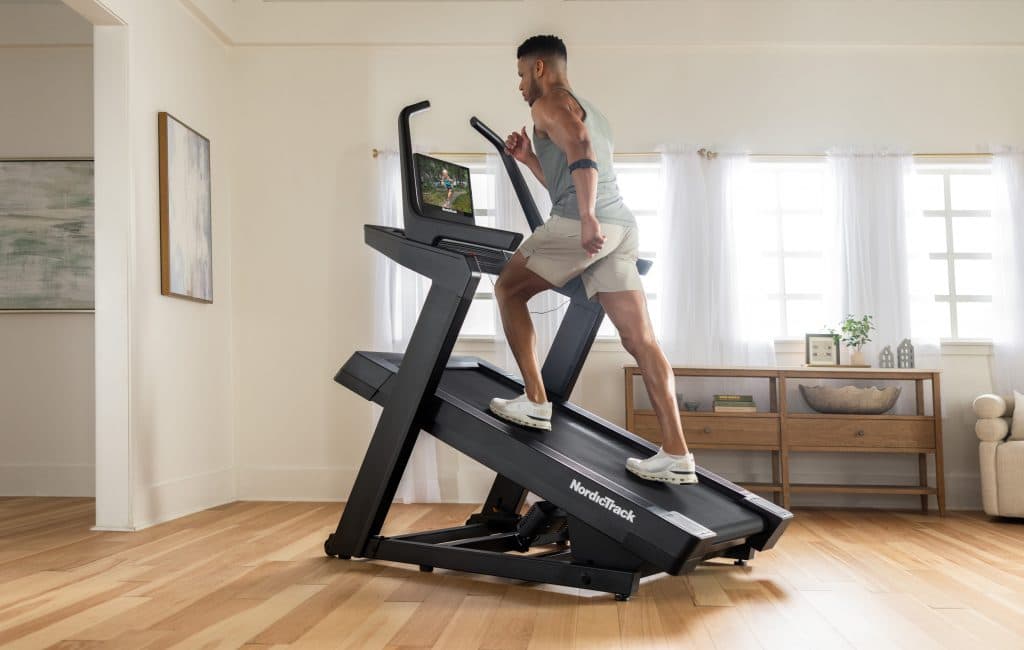
Why Training on an Incline Works Better Than Flat Walking
Incline walking ramps up calorie burn, boosts glute and hamstring activation, and raises cardiovascular demand without the impact of running. Learn safe form, beginner workouts, and treadmill selection tips.
Jul 15, 2025 · 13 min read
READ MORE
Equipment | Fitness
How to Use a Rowing Machine: Beginner’s Guide to Rowing Confidence
New to rowing? Learn the four-phase stroke, proper form, resistance settings, beginner workouts, and practical tips to build confidence on a rowing machine from your very first session at home.
Oct 31, 2025 · 6 min read
READ MORE
Equipment
Ellipticals vs. Treadmills: Which Is Right for You?
Not sure whether to choose an elliptical or treadmill? Compare benefits, calorie burn, and training goals to find the right cardio machine for your home gym.
Jun 12, 2023 · 9 min read
READ MORE