
Treadmill Workout for Walking and Light Jogging: How to Train, Progress, and Know When to Step Up
Learn how to actually train on your treadmill for walking and light jogging: what speeds to target, how to use incline before adding speed, and a four-week walk-to-jog plan.
Jul 14, 2026
·
11 min read
IN THIS ARTICLE
KEY TAKEAWAYS
- Brisk walking at 3 to 4 mph is moderate-intensity exercise; light jogging starts around 4.5 mph and crosses into vigorous intensity territory. [1]
The same cardiovascular benefit of brisk walking can be achieved at 2 mph with a 3.5% incline, making incline a practical way to raise intensity without increasing speed. [3]
Interval walking, alternating brisk and easy pace, is an evidence-based approach to improving cardiorespiratory fitness at lower impact than running. [6]
For beginners adding jogging, ACE recommends starting with one minute of jogging per every five minutes of walking, then gradually extending jog intervals over weeks. [7]
The 10% rule applies: increase weekly jogging volume by no more than 10% per week and hold the same volume for three to four weeks before progressing further. [7]
Most treadmill articles tell you which machine to buy. This one tells you what to do once you have it. If you walk regularly and want to know how to get more out of your sessions, when incline should come before speed, and how to add jogging without derailing your knees, read on.
The short version: build your walking base first, use incline to raise intensity before you add speed, and when you do add jogging, do it in short intervals and progress slowly. Those three principles cover most of what you need.
What Speeds Count as Walking vs. Light Jogging
Before you can progress, it helps to know where you actually stand. Here is a practical reference for how pace translates to speed on a treadmill:
Pace | Speed (mph) | Min/Mile | Intensity |
Easy walk | 2.0–2.5 mph | 24–30 min | Light |
Brisk walk | 3.0–3.5 mph | 17–20 min | Moderate |
Fast walk | 3.5–4.0 mph | 15–17 min | Moderate to vigorous |
Light jog | 4.5–5.0 mph | 12–13 min | Vigorous |
Easy run | 5.5–6.5 mph | 9–11 min | Vigorous |
The U.S. Department of Health and Human Services defines moderate-intensity activity as requiring 3.0 to less than 6.0 METs, which corresponds to brisk walking at 3 to 4 mph. Vigorous intensity starts at 6.0 METs and covers walking very fast at 4.5 to 5 mph and running. [1]
A simple field test: at moderate intensity, you can talk but not sing. At vigorous intensity, you cannot say more than a few words without pausing for breath. [1] If you can hold a full conversation at your current speed, you are at moderate intensity. If you are catching your breath mid-sentence, you have crossed into vigorous territory.
Adults need at least 150 to 300 minutes of moderate-intensity aerobic activity per week, like brisk walking, to get substantial health benefits. [2] Thirty minutes of brisk walking five days a week meets that target.
Why Incline Should Come Before Speed
For many walkers, incline is a practical way to raise workout intensity without increasing speed.
According to the American Heart Association, the same cardiovascular benefits achievable at faster walking speeds can also be gained by walking slower, at just 2 mph, if you walk uphill. Walking on a treadmill at 2 mph with a 3.5% incline produces the same cardiovascular demand as brisk walking on flat ground. [3]
For anyone who finds higher walking speeds uncomfortable, whether because of joint sensitivity, returning from inactivity, or age, incline offers a way to increase cardiovascular demand while keeping pace comfortable. [3]
For older adults, American Council on Exercise (ACE) recommends increasing grade before speed when adding intensity to walking sessions, noting this may be safer than running for many older clients. [4]
A practical starting point: once your flat-ground brisk walk feels manageable, add 1 to 2% incline and hold that for two to three sessions before increasing further. You will notice the cardiovascular demand increase before you notice much change in your perceived effort, which is a good sign you are in the right zone.
How to Build a Walking Routine That Progresses
Many walkers plateau at the same speed and duration for months. A few structural changes fix that without requiring any jogging.
Mayo Clinic notes that alternating between brisk walking and slower walking is a form of interval training, and that interval training can improve heart health and fitness in a time-efficient way. [5] ACE adds that interval walking is an evidence-based approach to improving cardiorespiratory fitness for those who want to build intensity at lower impact than running. Research has found that interval walking can improve muscle strength and physical fitness while also reducing aspects of health-related lifestyle diseases, including improving glycemic control in people with type 2 diabetes and improving HDL cholesterol levels. [6]
You do not need a complicated program for this. Three structures that work:
Flat Interval Walk
Walk at a comfortable pace for two minutes, then increase to a brisk pace for two minutes. Alternate for 20 to 30 minutes. Over time, shrink the easy intervals and extend the brisk ones.
Incline Progression Walk
Start flat at your brisk walk speed. Every five minutes, add 1% incline. A 30-minute session this way can take you from 0% to 5% or 6% incline, which produces meaningful cardiovascular demand without touching your speed at all.
Sustained Brisk Walk
Work toward 30 continuous minutes at a speed above 3 mph. This is a worthwhile goal on its own before you consider adding jogging, because it builds the aerobic base that makes jogging sustainable.
How to Add Light Jogging Without Overdoing It
The most common mistake when adding jogging to a walking routine is doing too much too soon. The second is skipping the walking base entirely. Both lead to soreness or injury, which then leads to skipping workouts.
The walk-jog approach is more effective. Start with a 30-minute session and jog for one minute out of every five, walking the other four. Over time, extend the jogging intervals and shorten the walking ones. Once you can jog for 30 continuous minutes, you can start working on speed. [7]
Mayo Clinic recommends this same approach: start with walking, then progress to bouts of walk/running, and gradually increase running intervals until you can run continuously without pain. [8]
The talk test is a reliable check throughout. Run hard enough that you feel like you are working, but not so hard that you cannot hold a short conversation. [8] If you are gasping, slow down. The cardiovascular benefit does not require sprinting.
ACE recommends the 10% rule when adding running volume: increase weekly mileage by no more than 10% from the previous week. New joggers should hold the same volume for three to four weeks before making increases, to allow the body to adapt. [7]
A Sample Four-Week Plan for Walkers Adding Jogging
This plan assumes you can already complete 30 minutes of brisk walking continuously before starting. If you are not there yet, build to that first using the walking routines in the previous section.
Week 1: Short Jog Intervals
3 sessions per week. 30 minutes each.
Walk at 3.0 to 3.5 mph for 4 minutes, then jog lightly at 4.5 mph for 1 minute. Repeat for the full 30 minutes. If 4.5 mph feels too hard, drop to 4.0 mph. The pace matters less than keeping the jogging intervals short and completable.
Week 2: Extending the Jog
3 sessions per week. 30 minutes each.
Walk for 3 minutes, jog for 2 minutes. Repeat. If any session feels rough, stay at the week 1 ratio for one more session before progressing. There is no benefit to moving forward before your body is ready.
Week 3: Even Split
3 to 4 sessions per week. 30 to 35 minutes each.
Walk for 2 minutes, jog for 2 minutes. Repeat. By the end of this week, you should be spending half your session jogging and recovering well between intervals.
Week 4: Majority Jogging
3 to 4 sessions per week. 30 to 35 minutes each.
Walk for 1 minute, jog for 3 to 4 minutes. Repeat. If you complete a full session feeling good, you can try a five-minute continuous jog in the final session of the week.
A note for anyone managing joint sensitivity: this plan can be modified by substituting incline walking intervals for jogging intervals during the first two weeks, which keeps cardiovascular demand high while reducing impact. The NIA notes that older adults with arthritis who are regularly physically active benefit from decreased pain and improved physical function and quality of life, and that low-impact activities like walking put less stress on joints. [9] Mayo Clinic adds that for people with osteoarthritis, low-impact exercise can increase endurance and strengthen the muscles around joints, making them more stable. [10] Consult your doctor before changing your exercise routine if you have a diagnosed joint condition.
Signs You Are Ready to Run More, Walk Less
There is no single number that tells you when to progress, but a few signals together make a reliable indicator.
You can hold a conversation during your current jog intervals without stopping. Your heart rate recovers during walking intervals rather than staying elevated through the whole session. You finish sessions feeling tired but not beaten up. You are not carrying unusual soreness in your knees, shins, hips, or feet in the days after a workout.
When those things are consistently true across two to three weeks, your body has adapted to your current load. That is the right time to progress, not based on a calendar.
If you are not there after four weeks, staying at the same ratio for another two to three weeks is not failure. It is the plan working correctly.

Structured Programs on iFIT
If managing a progression on your own feels like one more thing to think about, iFIT's trainer-led programs handle the pacing for you. The New Zealand 12-3-30 Hiking Series with trainer Hannah Eden uses 12% incline, 3 mph, and 30-minute sessions, which maps directly to the incline-first approach covered above. It is a repeatable structure well-suited to walkers who want to build cardiovascular fitness before adding speed. Sessions are available through the New Zealand 12-3-30 Hiking Series on iFIT.
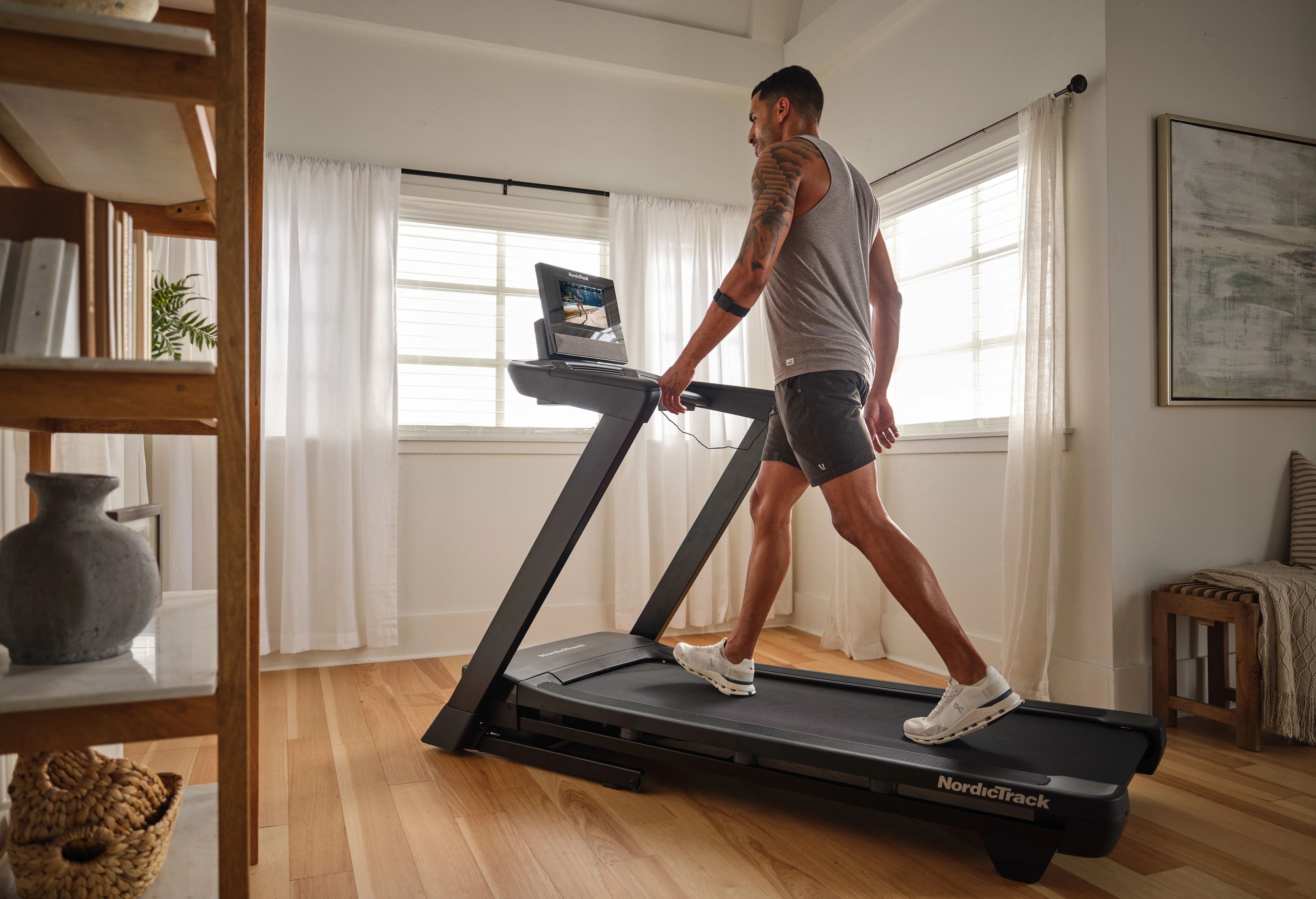
NordicTrack treadmills are built for this kind of training. The NordicTrack Commercial 1750, with a 4.25 CHP motor, -3% to 12% incline range, and RunFlex cushioning, handles sustained incline walking and walk-jog intervals in a frame that folds between sessions. For walkers building a routine at a lower price point, the NordicTrack T Series 10 covers the basics with a 3.0 CHP motor, SelectFlex cushioning, and 0% to 12% incline. Both machines give you the incline range and deck quality this kind of training calls for. When you are ready to think about which model fits your space and goals, NordicTrack's best treadmill for walking guide and what makes a treadmill good page cover the hardware decision in detail.
Explore More
FREQUENTLY ASKED QUESTIONS
References
U.S. Department of Health and Human Services. Physical Activity Guidelines Questions and Answers
U.S. Department of Health and Human Services. Top 10 Things to Know About the Second Edition of the Physical Activity Guidelines for Americans
American Heart Association. Walking Your Way to Better Health? Remember the Acronym FIT
American Council on Exercise. How to Safely Use High-Intensity Interval Training With Older Adult Clients
Mayo Clinic. Walking: Trim Your Waistline, Improve Your Health
American Council on Exercise. The 5-2-4 Walking Workout: An Interval Walking Program
American Council on Exercise. 5 Tips for Optimizing Running Form
Mayo Clinic. Mayo Clinic Q and A: Running and Weight Loss
National Institute on Aging. Exercising With Chronic Conditions
Mayo Clinic. Osteoarthritis: Diagnosis and Treatment
Disclaimer: The primary purpose of this blog post is to inform and entertain. Nothing on the post constitutes or is intended to be a substitute for professional medical advice, prevention, diagnosis, or treatment. Reliance on any information provided on the blog is solely at your own risk. Always seek the advice of your physician or other qualified health provider with any questions you may have regarding a medical condition, and please consult your doctor or other health care provider before making any changes to your diet, sleep methods, daily activity, or fitness routine. Do not disregard professional medical advice or delay seeking it because of information available on this blog. NordicTrack assumes no responsibility for any personal injury or damage sustained by any recommendations, opinions, or advice given in this article. Always follow the safety precautions included in the owner's manual of your fitness equipment.
RECENT ARTICLES
Equipment | Fitness
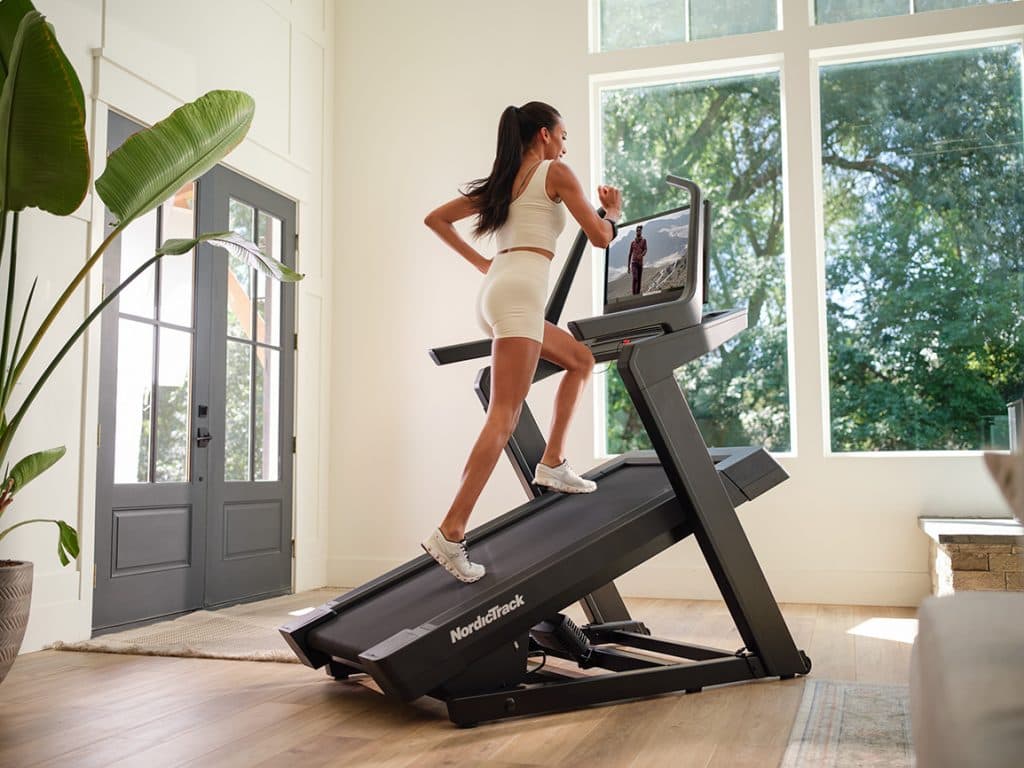
What is the Best Incline To Walk on a Treadmill To Lose Weight?
Find the ideal treadmill incline for burning more calories faster, from RPE-based pacing to the NordicTrack X24 Incline Trainer built for hill-style training.
Sep 23, 2026 · 5 min read
READ MORE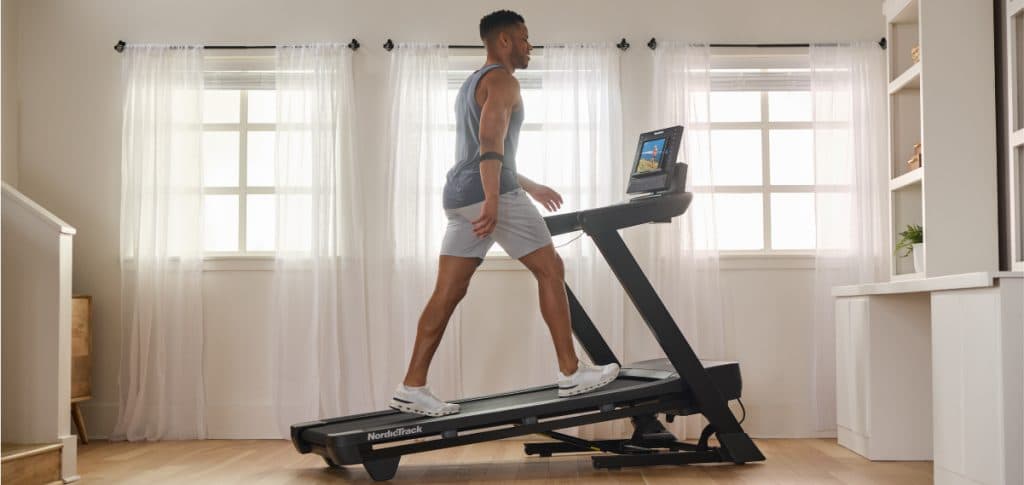
Fitness | Workouts
Walking a Mile Feels Better Than You Think
A one-mile treadmill walking workout is a simple, low-impact way to boost energy, lift mood, and build a consistent habit. Follow a short warm-up, steady pace, optional incline, cool-down, and use iFIT for guided sessions.
Sep 23, 2025 · 9 min read
READ MORE
Equipment
2026 Treadmill Buying Guide: Find the Best Treadmill for Your Home
Not all treadmills are built the same. This 2026 treadmill buying guide helps you match goals, space, and budget to the right NordicTrack model, comparing specs, features, and tiers so you can buy with confidence.
Apr 20, 2026 · 11 min read
READ MORE