
Is a Treadmill Screen Worth the Extra Cost? The Real Math and Tablet Alternatives
A treadmill screen can add thousands to the price tag. See the real cost math, what a tablet mount cannot replace, and how to decide if the upgrade is worth it.
Sep 14, 2026
·
7 min read
IN THIS ARTICLE
KEY TAKEAWAYS
- The Commercial 1750 Treadmill and Ultra 3 Treadmill show roughly a $2,500 gap between the entry-level and flagship screen experience, while the iFIT membership costs the same on either one.
A tablet or phone mount can run iFIT's workout library for less upfront, but loses automatic features like Follow Trainer, SmartAdjust, and ActivePulse.
Exercise enjoyment is linked to habit strength and workout frequency, making engagement a real factor in whether a treadmill screen earns its cost.
The right call depends less on screen size and more on whether a more immersive setup actually changes how often the machine gets used.
A treadmill with a big built-in screen can cost thousands more than one without. Before you pay that premium, it is worth asking two separate questions: what does the extra cost actually buy you, and could a tablet mount get you most of the way there for less.
Here is the short version. The screen itself does not make you fitter. What it can do is make you more likely to actually use the machine, and that difference in usage is where the real value, or the real waste, shows up. This guide walks through the honest cost math and the tablet-mount alternative so you can decide with real numbers instead of a hunch.
Why the Screen Question Is Worth Asking at All
It would be easy to dismiss a treadmill screen as a nice-to-have that does not change your results. But research on exercise behavior points to something specific: in a study of 273 health club exercisers, enjoyment of the activity was positively linked to exercise habit strength, intention to keep exercising, and actual weekly exercise frequency. [1]
That matters here because a screen is, functionally, an enjoyment lever. It is not the only one, and it is not guaranteed to work for everyone, but if a more engaging setup makes you want to get on the treadmill more often, that has a real downstream effect on whether the machine earns its price at all. A treadmill you use three times a week is a better investment than one that becomes a clothes rack, regardless of what either one cost.
What You're Actually Paying For
NordicTrack's lineup spans a wide range of screen sizes and prices, and if you want the full breakdown of screen size specifically, we've covered that in detail separately. For this guide, the short version: larger, more integrated screens generally mean a bigger upfront cost, and the question is whether that cost buys you something you will actually use.
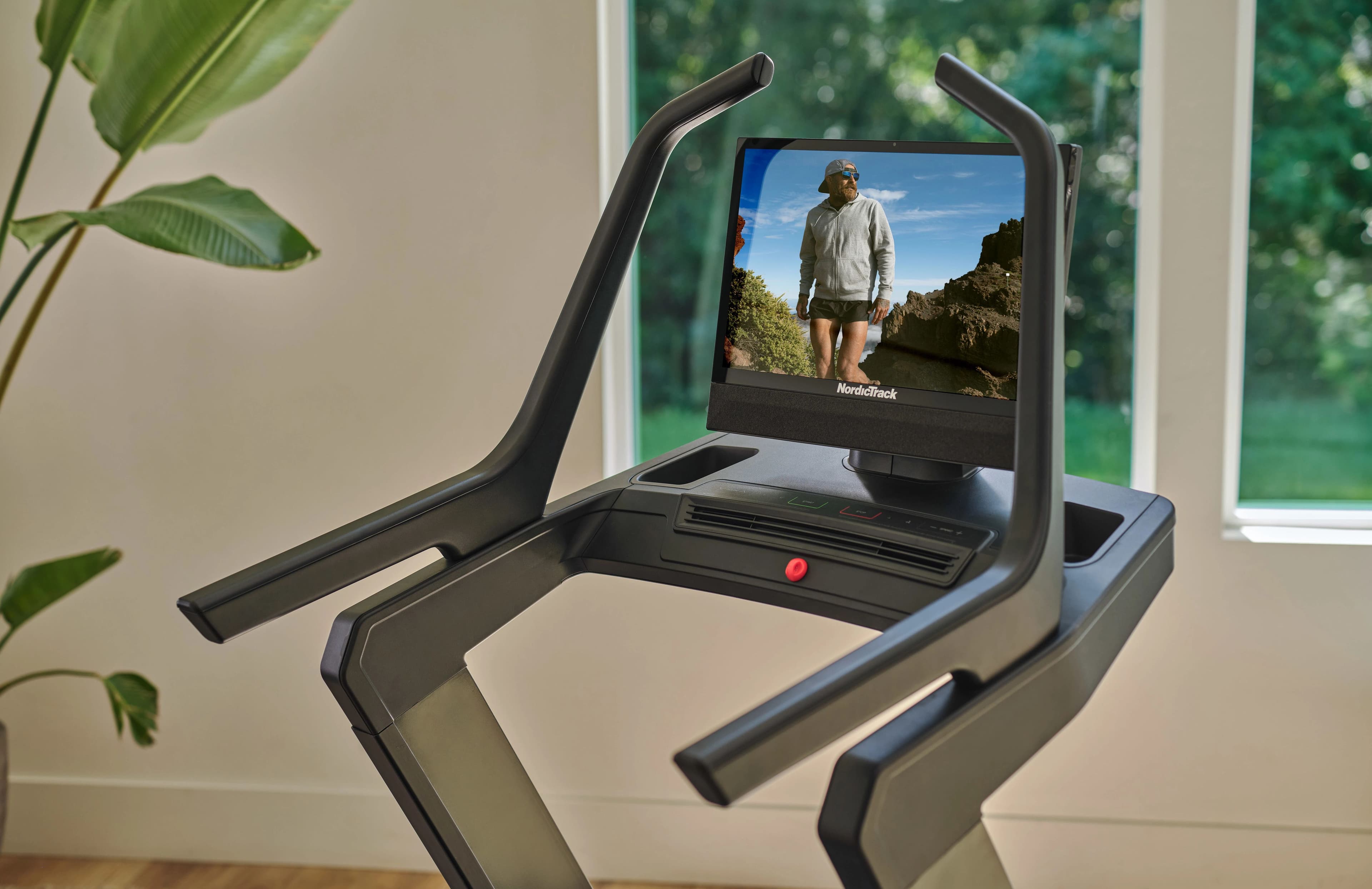
The Commercial 1750 Treadmill sits at the lower end of the screen-equipped lineup, with a 16-inch pivoting touchscreen. The Ultra 3 Treadmill sits at the premium end, with a 24-inch screen and a flagship motor and incline range built for serious training. The price difference between them is the clearest way to see what "paying extra for the screen experience" actually means in dollars, since screen size is only one piece of what separates the tiers.
The Real Cost of Ownership
Machine cost.
The Commercial 1750 Treadmill lists around $2,499. The Ultra 3 Treadmill lists around $4,999. That is roughly a $2,500 gap between the entry-level screen experience and the flagship one, and screen size is only part of what that gap buys, the rest is motor power, incline range, and speed capacity. Both prices are current list pricing and can move with active promotions, so confirm the live price on NordicTrack.com before publishing.
Membership cost.
iFIT Pro membership is billed monthly or annually, separate from the machine price, and applies the same way regardless of which iFIT-enabled treadmill you own. The membership does not get cheaper on a smaller-screen machine, and it does not get more expensive on a larger one.
The part that actually matters: usage.
Since the membership cost is the same either way, the real question is not "which screen is worth the money" but "will I actually use this machine consistently, and does the screen change that answer for me." If a smaller screen is going to sit in the same room and get used the same number of times per week as a larger one would, the extra cost is not doing anything for you. If the bigger, more immersive display is genuinely the difference between using the treadmill and avoiding it, the math flips, since a $2,500 premium spread across years of consistent use is a very different number than the same premium attached to a machine that gets used twice and then ignored.
A rough way to frame it.
If you expect to use the treadmill four or five times a week for several years regardless of screen size, the premium screen is mostly paying for comfort and immersion, not more workouts. If you know from experience that a boring setup is exactly the kind of thing that gets you to skip sessions, the premium screen is arguably paying for the difference between a machine you use and one you do not.
The Tablet Mount Alternative
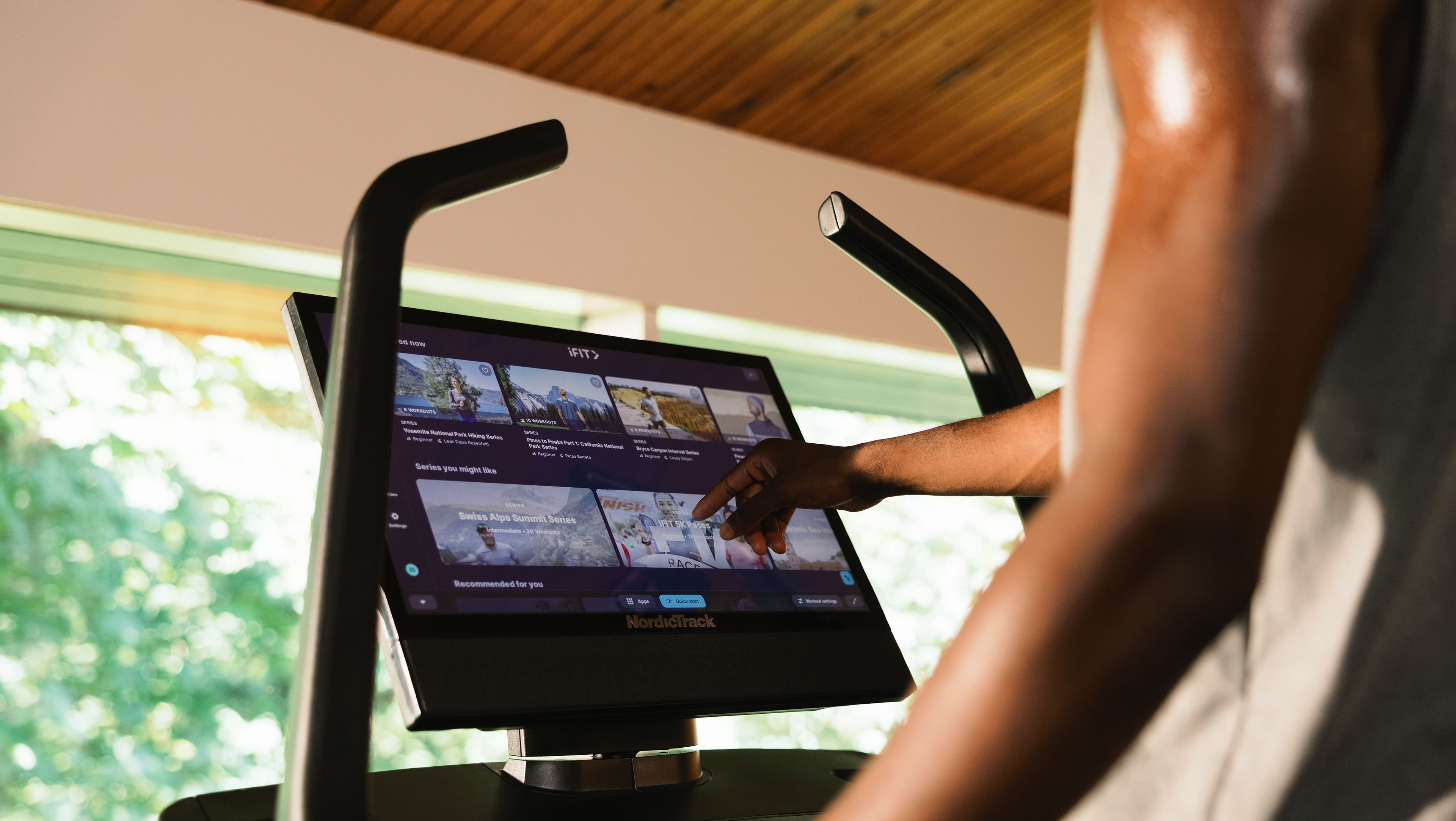
If the built-in screen is the expensive part, the obvious question is whether you can skip it. A tablet or phone mounted on the console can run the iFIT app, follow along with trainer-led workouts, and show your pace and time, all without paying for the integrated display.
What you keep. You still get access to the iFIT workout library, trainer-led sessions, and your own device's screen size and resolution, which for many tablets is perfectly readable.
What you lose. A mounted tablet does not talk to the treadmill's motor. Features like Follow Trainer, where the machine's incline and speed adjust automatically to match the trainer on screen, and SmartAdjust, which adapts intensity based on your history, require the treadmill and the display to be integrated. On a tablet setup, you would be manually adjusting incline and speed yourself while the trainer on screen tells you what to do, rather than having the machine do it for you. ActivePulse, which uses a compatible heart rate monitor to auto-adjust intensity, is not available on a non-integrated setup either.
The honest tradeoff. A tablet mount is a real way to lower the upfront cost. What it costs you is the automation, not the content. If the coaching and video content is what you value, a tablet gets you there for less. If the hands-free, automatic adjustment is what you are actually paying for when you consider a screen-equipped treadmill, a tablet mount will not replicate that, no matter how good the screen on the tablet itself is.
Who Benefits Most From Paying for the Integrated Screen
If convenience and ease of use matter most to you: the integrated screen and automatic adjustment features are built for exactly this. Not reaching for a tablet, not managing a separate device, and not manually adjusting incline mid-workout are the entire value proposition.
If you want variety and the latest features: a larger, fully integrated screen makes trainer-led global workouts and streaming content feel more like the real thing, which matters more to this group than it does to someone who just wants a functional workout.
If you need structure and accountability: a tablet mount may serve this group just as well as a premium integrated display, since the coaching, not the screen size, may matter more for consistency.
How to Decide
Ask yourself two questions before you pay for the upgrade:
Would a boring or hard-to-read display actually stop me from using the treadmill regularly? If yes, the premium screen may be worth the cost. If you would use the machine the same amount either way, it probably is not.
Do I want the machine to adjust incline and speed automatically, or am I fine doing that myself while following a trainer on a tablet? If you want hands-free automation, you need an integrated screen. If you are comfortable adjusting settings yourself, a tablet mount gets you most of the coaching value for less.
For a look at how the guided coaching experience actually feels on iFIT, Rivs Run Club: Season 1 with trainer Tommy Rivs is a 30-workout treadmill series filmed across California, Oregon, and New Zealand, and gives a good sense of what you are paying the membership for regardless of which screen setup you choose.
FREQUENTLY ASKED QUESTIONS
References
Teixeira DS, Rodrigues F, Cid L, Monteiro D. Enjoyment as a Predictor of Exercise Habit, Intention to Continue Exercising, and Exercise Frequency: The Intensity Traits Discrepancy Moderation Role
The primary purpose of this blog post is to inform and entertain. Nothing on the post constitutes or is intended to be a substitute for professional medical advice, prevention, diagnosis, or treatment. Reliance on any information provided on the blog is solely at your own risk. Always seek the advice of your physician or other qualified health provider with any questions you may have regarding a medical condition, and please consult your doctor or other health care provider before making any changes to your diet, sleep methods, daily activity, or fitness routine. Do not disregard professional medical advice or delay seeking it because of information available on this blog. NordicTrack assumes no responsibility for any personal injury or damage sustained by any recommendations, opinions, or advice given in this article. Always follow the safety precautions included in the owner's manual of your fitness equipment.
RECENT ARTICLES
Equipment
Is a 24" screen worth it on a treadmill? Does it improve results?
Does a 24 inch treadmill screen improve your workouts or just add cost? Learn how screen size impacts engagement, consistency, and long term results.
Apr 2, 2026 · 8 min read
READ MORE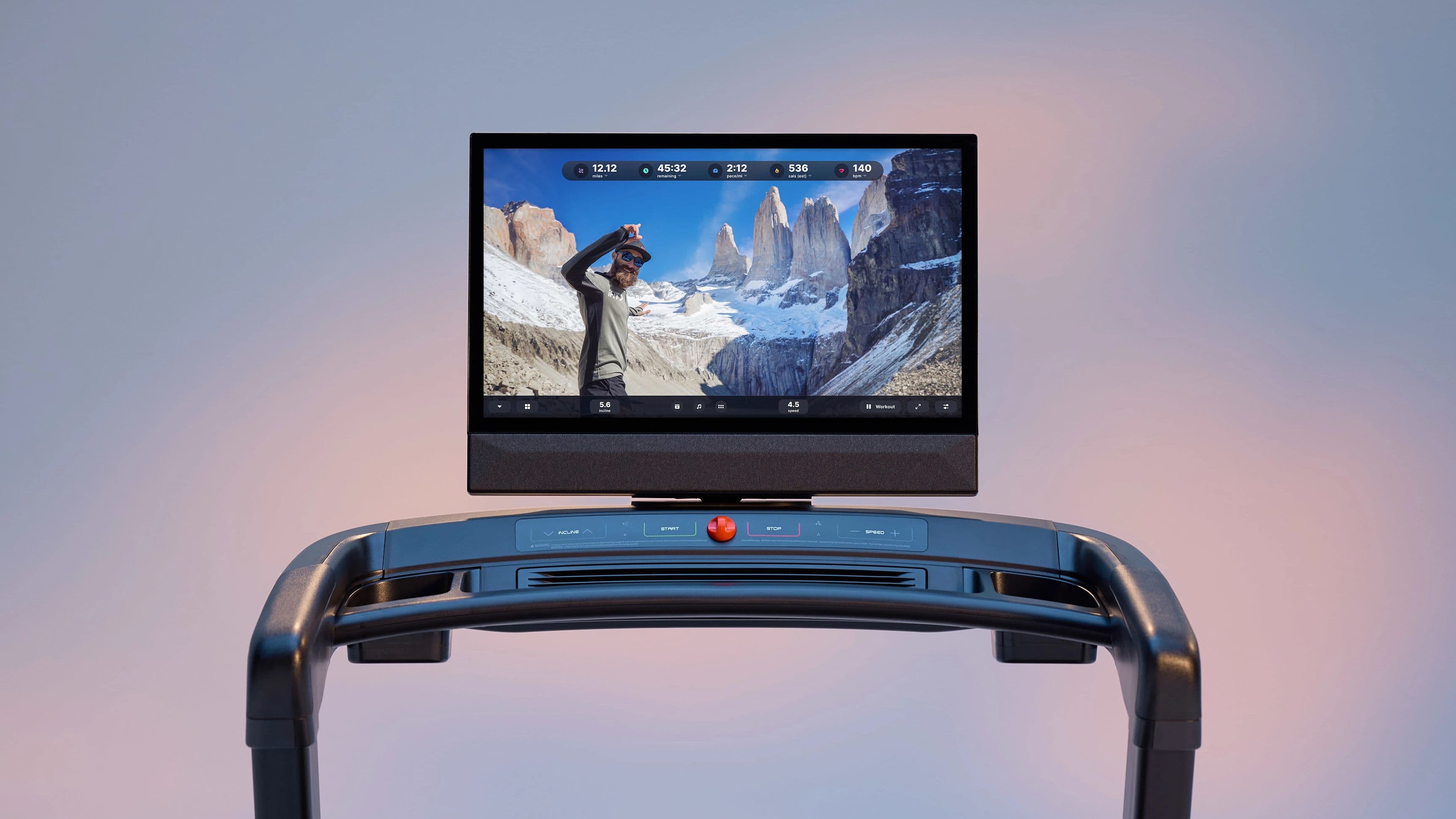
Fitness | iFIT App
Smart fitness explained: how an AI personal trainer helps you train smarter
Learn how smart fitness and AI personal trainers adapt workouts in real time to improve consistency, reduce guesswork, and help you train more effectively at home.
Apr 3, 2026 · 6 min read
READ MORE
Equipment | Financing
FSA Eligible Treadmill Guide: Using FSA or HSA Funds
With a Letter of Medical Necessity from a licensed provider, some treadmills can be reimbursed by FSA or HSA plans. This guide covers qualifying conditions, required documentation, and steps to submit a claim.
Aug 29, 2025 · 7 min read
READ MORE