
How to Make Your Pilates Studio More Profitable Without Adding More Staff
Your reformers sit idle between classes. Here is how boutique studio owners are turning off-hours floor time into a new revenue stream without adding staff or instructor hours.
Aug 5, 2026
·
14 min read
IN THIS ARTICLE
KEY TAKEAWAYS
- Boutique Pilates studios concentrate revenue into peak morning and evening class slots, leaving reformers idle during off-hours — floor space that costs the same whether it is occupied or not.
- Off-hours self-guided reformer sessions let members book reformer time outside class hours, following iFIT Pro sessions on the Ultra 1 Reform RX-S screen with Bluetooth headphones, with no instructor required.
- The Reformer Digital Activation that powers iFIT Pro on commercial units is priced per machine: $396 for one year, $999 for three years, or $1,599 for five years.
- Three pricing models work for off-hours access: per-session drop-in, monthly membership add-on, and a premium bundle tier that combines class access with unlimited off-hours reformer time.
- Instructor-led classes remain the core product. Off-hours sessions are an additional revenue layer, not a replacement.
How does your studio make money while you're sleeping?
It is a question every boutique Pilates studio owner eventually faces. You have invested in premium equipment, built a loyal client base, and filled your peak class slots. But between peak morning and evening class slots, the reformers sit idle. The 1 PM slot that never fills. The midday gap between the 10 AM and 5 PM blocks. The early afternoon hours that do not justify adding a class for the handful of members who might show up. Your rent does not pause. Your equipment payments do not pause. The floor space that generates $25 to $60 per session during class hours generates nothing during the hours in between. [1]
An estimated 12.5 million people in the U.S. practiced Pilates in 2025, the highest participation level in more than a decade. [1] Demand is there. The question is whether your studio is capturing it outside the hours your instructors are scheduled.
This article is for studio owners who want to answer that question with a real revenue strategy: how to turn idle reformer time into a new income stream without hiring more staff, extending instructor hours, or reducing the quality of your instructor-led classes.
The Hidden Revenue Problem in Boutique Pilates
Boutique Pilates studios run on a model that concentrates revenue into a small window of the day. Most studios schedule peak classes during morning blocks and evening blocks, where demand is highest. Midday slots and off-hours sit underutilized. [2]
That gap is not a scheduling failure. It is a structural feature of the instructor-led model. You can only run as many classes as you have instructors available to teach, and instructor pay runs $35 to $55 per group class at the flat rate most boutique studios use. [3] Adding classes means adding instructor hours and cost.
The result is a fixed revenue ceiling tied directly to two constraints: instructor availability and reformer count. Once your peak slots are full, the only way to grow is to add instructors, add reformers, add a location, or raise prices. None of those is fast or low-risk.
There is a fourth option: sell access to the reformers themselves, outside class hours, without an instructor leading the session.
What Members Actually Want Outside Class Times
The members most likely to use off-hours reformer access are already in your studio. They are the clients who want to come more than their class schedule allows, who miss sessions due to work or travel and want a makeup option, or who want additional practice time between instructor-led classes.
Self-guided sessions give those members access to the reformer on their own schedule. They are not replacing the instructor-led class. They are buying additional time on the equipment, at a price point lower than a group class, during hours the studio would otherwise be dark.
For the studio, that is revenue from floor space that costs the same whether it is occupied or not.
Two Models That Capture Off-Hours Revenue
Self-Guided Member Sessions
In this model, members book a reformer slot outside class hours and follow a session on the Ultra 1 Reform RX-S screen independently, using individual Bluetooth headphones. No instructor is required. Through the Reformer Digital Activation subscription, the iFIT Pro library delivers certified-instructor-led reformer content directly through the machine, with Smart Spine™ tracking real-time resistance and power output so members get measurable feedback throughout.
The studio earns revenue from floor space that was previously dark. The member gets flexible, quality-guided access to a reformer on their own schedule. The instructor-led class remains the core premium product.
The iFIT-Assisted Class Format
For studios looking to expand their class offerings without adding instructor headcount, this model is worth exploring as an optional format alongside your existing structure. It pairs iFIT on-demand sessions with a live instructor who is physically in the room. Because iFIT delivers the exercise instruction directly through each client's Bluetooth headphones, the instructor is freed from cueing and can circulate the floor offering hands-on adjustments, personal progressions and regressions, and real-time encouragement.
This is not a replacement for instructor-led classes. It is an additional format some studios use to run more sessions with the same instructor, or to offer a different kind of experience at a different price point. For instructors who enjoy the hands-on coaching side of the work, it can be a welcome addition to the schedule.
For studio owners, it opens the door to a different class-size and pricing structure. A smaller class with a circulating instructor and iFIT-guided sessions can command a premium price point as a semi-private experience, without the cost of a fully private session.
What Makes the Off-Hours Model Work
The self-guided model only works if the equipment can deliver a high-quality experience without an instructor present. That requires three things at every station.
Per-Reformer Setup
Each reformer needs:
A built-in touchscreen running iFIT Pro sessions
Individual Bluetooth headphones for the member (studio-supplied or member's own)
A stable WiFi connection capable of streaming reliably across all machines simultaneously
A dedicated WiFi network for the reformer floor, separate from your general studio network, reduces buffering during peak periods. For a studio running 6 to 10 machines, a commercial-grade router with a minimum 100 Mbps download connection handles the load.
The Right Reformer
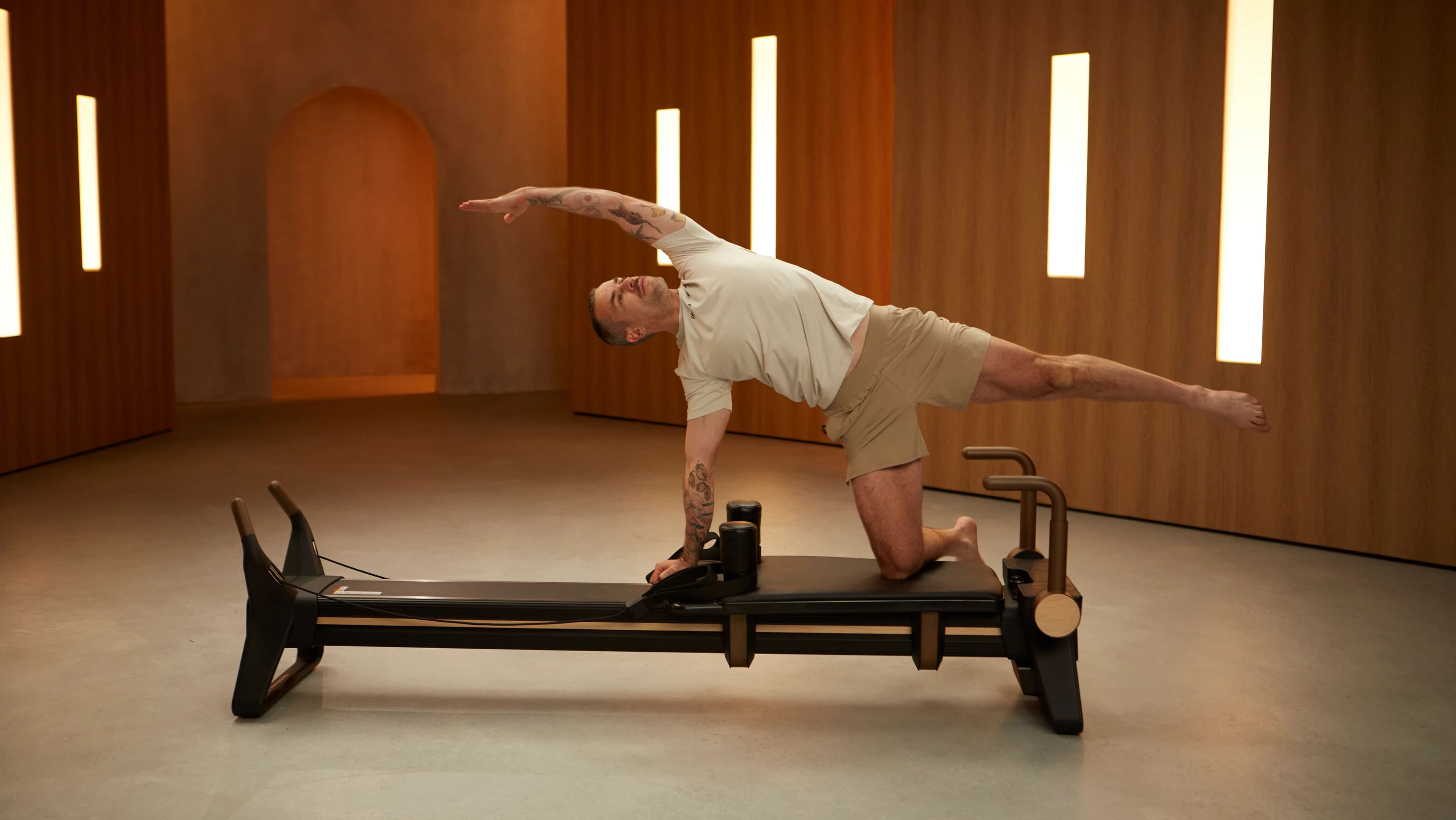
The Ultra 1 Reform RX-S is built for this use case. The integrated 24" HD touchscreen delivers iFIT Pro instruction on demand. The Smart Spine™ system tracks real-time resistance and power output for each member during every session. The Press-Lock spring resistance system allows fast, independent adjustments without interrupting the session. The Enclosed-Spring Solid Spine design is purpose-built for unattended use on a studio floor where members are moving without direct instructor oversight.
The Reformer Digital Activation that powers the iFIT Pro experience on commercial units is available in three terms: one year at $396, three years at $999, or five years at $1,599 per machine. For a studio running six reformers on a five-year activation, that is $1,599 per machine over five years, or $319.80 per machine per year, which works out to under $27 per machine per month.
For context, a single instructor teaching one group class per day at a flat rate of $40 per class costs approximately $1,200 per month. The Digital Activation for six machines for an entire year at the one-year rate costs $2,376. That comparison is not an argument for replacing instructors. It is a way to understand the cost structure of adding an off-hours revenue layer on top of the instructor-led model you already run.
iFIT's recently released reformer series, The Resilient Body with Ashley Paulson, is a beginner-focused program that works well for members new to self-guided sessions. The sessions are designed to guide clients through foundational reformer movement without hands-on correction, which makes them well-suited for independent use. Visit iFIT.com for the full series lineup.
How to Price and Package Off-Hours Access
There is no single right pricing structure for off-hours reformer access. The three models below each serve a different member profile and revenue goal.
Drop-In Slot Pricing
A per-session fee for off-hours reformer access. Members book a specific machine for a specific time and pay per visit. This is the lowest barrier to entry for members testing the format and the simplest to administer. Group reformer sessions at boutique studios typically run $25 to $60 per session. [1] Off-hours self-guided pricing can sit below that range, typically $15 to $25 per session, to reflect the absence of a live instructor while still generating margin on otherwise idle equipment.
Monthly Membership Tier Add-On
Members who want consistent off-hours access pay a monthly add-on fee on top of their existing class membership. This tier unlocks unlimited or a set number of off-hours sessions per month. The add-on model generates predictable recurring revenue and rewards your most engaged members with more flexible access. Pricing for this tier typically sits at $30 to $60 per month depending on your market and how many sessions are included.
Premium Membership Bundle
Ruthie Massman, iFIT Pilates Strategist, identified this as the highest-value tier for studio owners: a top-tier membership that bundles class access, off-hours iFIT sessions, and open reformer time as a single premium package. This model gives your most committed members the most complete access to the studio, at a price point that justifies the reformer investment and differentiates your top tier clearly from a standard class membership.
A studio charging, say, $150 to $200 per month for an unlimited class membership could offer the premium bundle at $220 to $280 per month, including class access plus unlimited off-hours reformer time. The incremental revenue per member is recurring and requires no additional instructor hours.
Communicating the Value to Existing Members
The off-hours format is not a downgrade from instructor-led classes. It is a different product that serves a different need. When introducing it to existing members, lead with flexibility and convenience, not cost savings. The message is: you can now train on your schedule, on the reformer you know, with certified iFIT instruction through your headphones, any time the studio has open slots.
Members who are already committed to their Pilates practice are the most likely early adopters. Offer a free first off-hours session to existing members before opening the format to the public.
Safety and Operations for Unsupervised Sessions
Self-guided sessions require a more deliberate safety setup than instructor-led classes because no certified professional is circulating the room.
Client Prerequisites
Members who access off-hours sessions should have completed at least one instructor-led reformer class at your studio before booking independently. This is a minimum bar, not a guarantee of safety, but it ensures the member has basic familiarity with the equipment, the footbar, and spring resistance before working alone.
Pre-Session Equipment Checks
Every reformer used for off-hours sessions should be inspected at the start of each day, not just before instructor-led classes. A staff member or trained floor host runs the pre-session inspection checklist:
Visually inspect all springs for wear, fraying, or corrosion
Check that all straps are properly seated and not twisted
Confirm footbar positions are reset to the neutral starting position
Verify shoulder rests are secure and not cracked
Wipe down all contact surfaces
Confirm every reformer screen is powered on and iFIT Pro is accessible
Liability and Insurance
Update your liability waiver to explicitly cover self-guided and unsupervised reformer use before launching off-hours access. Your insurance provider should be notified of the change in operations. Some policies may require a staff member to be on premises during any session, even self-guided ones. Confirm this before your first off-hours booking goes live.
Incident Logging
Any equipment concern, near-miss, or member incident during an off-hours session gets logged: date, time, machine number, member name, what occurred, and what action was taken. Review it monthly.
How the Numbers Can Work: Illustrative Scenarios
The following scenarios use directionally realistic figures to help you model the revenue potential of off-hours access. Actual results will vary based on your market, pricing, and utilization.
Scenario A: Drop-In Off-Hours Sessions
A studio with 8 reformers opens 3 off-hours time slots per day, 6 days per week, each slot lasting 50 minutes with one client per reformer. That is 24 potential sessions per slot period. At 50% utilization across those slots, the studio runs approximately 12 sessions per day at $20 per session, generating $240 per day or around $5,760 per month in new revenue from previously dark floor time. The primary ongoing cost per machine is the Digital Activation. At the 1-year rate of $396 per machine, six machines cost $2,376 per year, or $198 per month for the full fleet. The remaining revenue is margin from time slots that would otherwise have generated nothing.
Scenario B: Monthly Tier Add-On
A studio with 120 active members converts 20% to a monthly off-hours add-on at $45 per month. That is 24 members generating $1,080 per month in recurring revenue with no change to the class schedule, no additional instructor hours, and no new staff.
Metrics to Track
Track these monthly once off-hours sessions are live:
Off-hours slot utilization rate (sessions booked / total slots available)
Revenue per available reformer hour during off-hours periods
Add-on or premium tier conversion rate from existing members
Member retention rate for clients using off-hours access vs. class-only members
Incident rate during unsupervised sessions
30/60/90-Day Playbook to Launch Off-Hours Sessions
Month One: Set Up
Confirm your Ultra 1 Reform RX-S units are running iFIT Pro and all Digital Activations are active
Map your session selection: which iFIT series are appropriate for self-guided beginner and intermediate use
Set your pricing structure and booking system for off-hours slots
Update your liability waiver and notify your insurance provider
Run a staff walkthrough on the pre-session inspection checklist
Soft-launch with 5 to 10 existing members as a free pilot to gather feedback before opening to all members
Month Two: Open to Members
Announce off-hours access to your full member base with a free first-session offer for existing clients
Collect post-session feedback from every off-hours user (one question: "Did you feel well-supported during today's session?")
Track utilization and revenue weekly
Identify which time slots are filling and which are not
Month Three: Evaluate and Expand
Review off-hours utilization, revenue, and retention metrics against your pre-launch baseline
Adjust pricing or slot availability based on demand patterns
Decide whether to introduce the premium membership bundle tier
Document your full off-hours protocol as a formal SOP before scaling to more slots or machines
Explore More
FREQUENTLY ASKED QUESTIONS
References
BusinessDojo. Profitability of a Pilates Studio (2026)
Disclaimer: The primary purpose of this blog post is to inform and entertain. Nothing on the post constitutes or is intended to be a substitute for professional medical advice, prevention, diagnosis, or treatment. Reliance on any information provided on the blog is solely at your own risk. Always seek the advice of your physician or other qualified health provider with any questions you may have regarding a medical condition, and please consult your doctor or other health care provider before making any changes to your diet, sleep methods, daily activity, or fitness routine. Do not disregard professional medical advice or delay seeking it because of information available on this blog. NordicTrack assumes no responsibility for any personal injury or damage sustained by any recommendations, opinions, or advice given in this article. Always follow the safety precautions included in the owner's manual of your fitness equipment.
RECENT ARTICLES
Equipment
Introducing the NordicTrack Ultra 1 Reformer Series
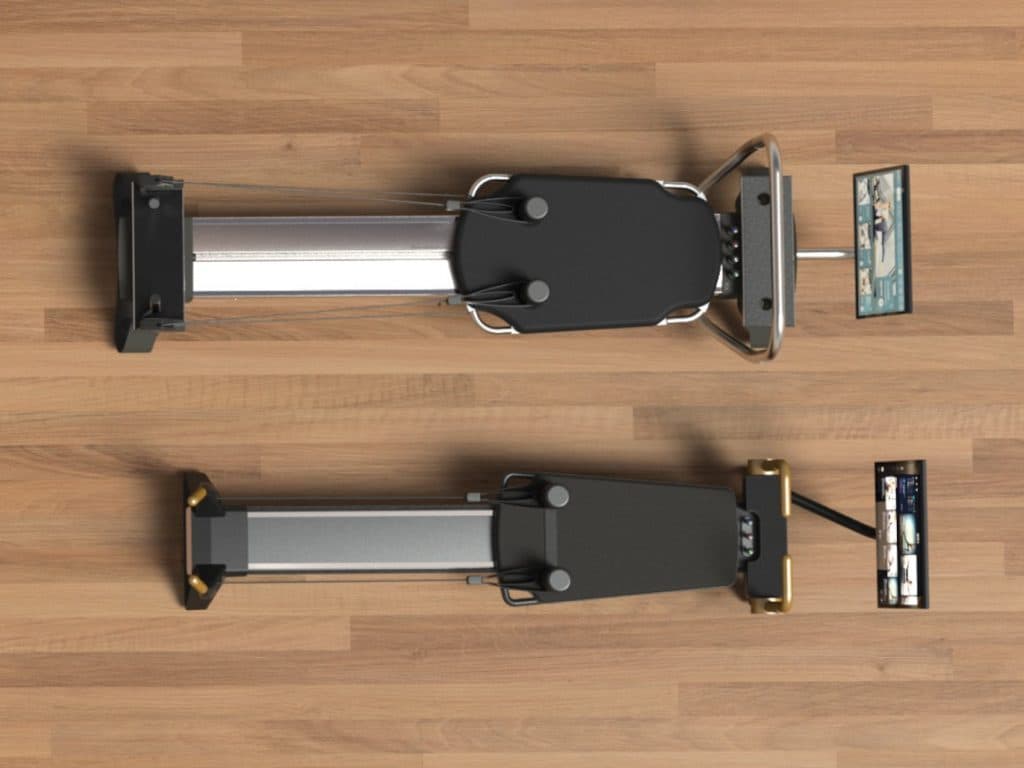
Meet the NordicTrack Ultra Reformer Series, featuring the Ultra 1 Reform RX-S and Ultra 1 Reformer—two connected Pilates reformers designed to bring studio-quality training into your home.
Nov 14, 2025 · 8 min read
READ MORE
Equipment | iFIT App
Reformer Pilates for Beginners: How to Start Strong at Home
Your reformer is here — this guide covers everything from your first five minutes on the machine to a full 30-day training plan with iFIT, so you start strong from day one.
Jun 25, 2026 · 14 min read
READ MORE
iFIT App | Trainers
Meet the Instructors Behind Your iFIT Pilates Workouts
Nine instructors. Nine different backgrounds. Here is who is leading your iFIT reformer sessions and what each of them brings to the practice.
Jun 30, 2026 · 7 min read
READ MORE